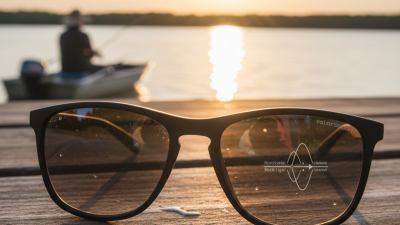
Why Choose Polarized Lens for Your Sunglasses Needs?
When it comes to choosing sunglasses, many overlook the importance of Polarized Lens. These specialized lenses reduce glare from reflective surfaces like water and roads. This feature is vital for outdoor activities, enhancing clarity and comfort.
Polarized Lens also offer protection against harmful UV rays. Prolonged exposure can damage your eyes, leading to serious health issues. By investing in quality sunglasses with Polarized Lens, you prioritize your eye health while enjoying sunny days.
However, not all polarized lenses are created equal. Some may distort colors or reduce visibility in low-light conditions. It's essential to do thorough research before choosing the right pair. Consider your needs and lifestyle to make an informed decision.
Understanding Polarized Lenses: Definition and Functionality
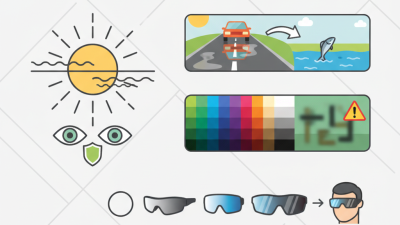
Polarized lenses are designed to reduce glare from surfaces like water or roads. This functionality is based on a special filter that blocks intense reflected light, helping to improve visual clarity. According to the American Academy of Ophthalmology, polarized sunglasses can significantly enhance comfort and visibility while engaging in outdoor activities. These benefits make them ideal for activities such as boating, fishing, or skiing.
In addition to reducing glare, polarized lenses can improve color perception. Users often report sharper contrasts in colors, making the environment appear more vibrant. It's reported that over 60% of individuals who use polarized sunglasses notice a marked reduction in eye strain during prolonged exposure to bright light. This can be especially valuable when driving or during outdoor sports.
Stay aware that not all sunglasses provide the same level of polarization. Look for information on the lens’ polarization rating. Some sunglasses may offer a minimal effect while others deliver professional-grade performance. Engaging with products backed by reputable optical standards can help ensure better protection for your eyes. Remember to also consider factors like UV protection; polarized lenses should block 100% of harmful UV rays for optimal eye safety.
The Benefits of Polarized Lenses for Eye Protection
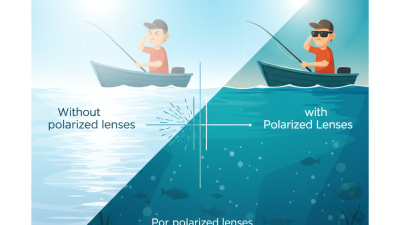
Polarized lenses provide significant advantages for eye protection. They are designed to reduce glare from surfaces like water, snow, and roads. This feature is especially beneficial for those engaging in outdoor activities, such as boating or skiing. By minimizing glare, polarized lenses enhance visual clarity and comfort. This leads to improved safety, helping prevent accidents caused by impaired vision.
In addition to glare reduction, polarized lenses also offer UV protection. Prolonged exposure to UV rays can cause severe damage to the eyes, including cataracts and other vision problems. By filtering out harmful rays, polarized lenses serve as a barrier against these risks. Many people do not realize the long-term effects of UV exposure until it is too late. Regular use of sunglasses with polarized lenses can be a lifesaver.
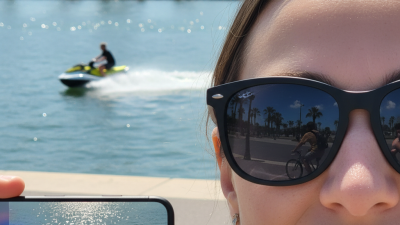
Notably, not all lenses labeled as polarized are created equal. It's essential to consider factors such as lens quality and coatings. Some lenses might not adequately filter UV rays, compromising protection. Additionally, while polarized lenses excel in many environments, they can create issues with digital screens. Users might find it challenging to read their phones or other devices. Understanding these nuances can guide informed choices that prioritize eye health and protection.
How Polarized Lenses Improve Visual Clarity and Comfort
Polarized lenses are specialized eyewear that can significantly enhance your visual comfort. They reduce glare from surfaces like water or roads, which is especially beneficial for outdoor activities. When sunlight reflects off flat surfaces, it creates intense brightness that can strain your eyes. Polarized lenses combat this glare, making your vision clearer and more comfortable.
Choosing polarized sunglasses can also help you see colors more vividly. With reduced glare, details become sharper, allowing for a more enjoyable experience, whether you are hiking, cycling, or simply enjoying a day at the beach. However, not everyone might feel comfortable with the way polarized lenses alter perception. Some individuals report difficulties viewing screens, such as those on smartphones or GPS devices. This is an important consideration when selecting the right eyewear for your activities.
Visual clarity is important for safety. Better visibility can help prevent accidents, especially when driving. While polarized lenses provide numerous benefits, not every pair will suit every situation perfectly. Balancing comfort and functionality is essential when making your choice.
Why Choose Polarized Lens for Your Sunglasses Needs?
| Feature |
Description |
Benefit |
| Glare Reduction |
Polarized lenses reduce glare from reflective surfaces like water and roads. |
Enhanced visibility and improved safety while driving or engaging in outdoor activities. |
| Improved Contrast |
They enhance color contrast, making objects appear sharper. |
Better visual clarity, which is especially beneficial in bright conditions. |
| Reduced Eye Strain |
Minimize eye strain by reducing the need for constant squinting. |
Increased comfort during prolonged wear, particularly in bright environments. |
| UV Protection |
Polarized lenses typically offer UV protection that blocks harmful rays. |
Helps prevent eye damage over time and reduces risk of cataracts. |
| Versatile Use |
Suitable for various activities, including sports, driving, and casual wear. |
Provides functionality and style for different environments and needs. |
Comparing Polarized Lenses to Regular Sunglasses Lenses
Polarized lenses offer distinct advantages over regular sunglasses lenses. They reduce glare from surfaces like water, roads, and snow, significantly enhancing visibility. This feature is vital for outdoor activities such as fishing or hiking. By blocking horizontal light waves, polarized lenses provide clearer and sharper vision. Regular lenses lack this capability, leading to more eye strain during bright sunny days.
When considering sunglasses, think about your specific needs. For general wear, regular lenses may suffice. However, if you spend time outdoors or engage in sports, polarized lenses are a worthwhile investment. They not only improve comfort but also protect your eyes from harmful UV rays.
Choosing the right sunglasses means assessing your lifestyle. Individuals who frequently drive will notice how polarized lenses reduce reflections on the windshield. This can dramatically improve safety. Always try on different lenses to see what works for you. Remember, the right pair can make a significant difference in your visual experience.
Choosing the Right Polarized Sunglasses for Your Lifestyle
When selecting polarized sunglasses, consider how they fit your lifestyle. For outdoor enthusiasts, polarized lenses can reduce glare from water or other reflective surfaces. According to a study by the American Academy of Ophthalmology, about 90% of UV protection comes from wearing sunglasses. This statistic emphasizes the importance of choosing sunglasses that offer adequate protection, not just style.
If you spend long hours driving, polarized sunglasses can enhance visibility. They help to reduce eye strain by cutting down reflections from the road. It’s vital to note that not all polarized lenses offer the same level of protection. Some may block 100% of UV rays, while others do not. Reading labels and specifications is essential to ensure optimal performance.
Moreover, consider your activities when choosing sunglasses. Athletes might need sunglasses that resist impact, while casual wearers can prioritize comfort and design. This requires balancing functionality with style. Remember, even the most stylish pair may not protect your eyes adequately. Reflect on what you value most in your sunglasses and choose accordingly.
Why Choose Polarized Lens for Your Sunglasses Needs?
This chart represents the key factors influencing the choice of polarized sunglasses among different lifestyle users. The data is collected from a survey of sunglasses users, highlighting the importance of UV protection, glare reduction, style, and comfort.