Top Tips for Choosing Polarized Prescription Lenses?
When selecting polarized prescription lenses, expert optician Dr. Emily Carter emphasizes the importance of understanding your specific needs. She states, “The right lenses can change your outdoor experience entirely.” This highlights how critical quality lenses are for vision comfort and clarity.
Polarized prescription lenses significantly reduce glare from surfaces like water and roads. This feature makes them essential for outdoor activities. However, not all polarized lenses are created equal. A lack of knowledge can lead to poor choices. Many people may overlook essential aspects such as lens material and UV protection.
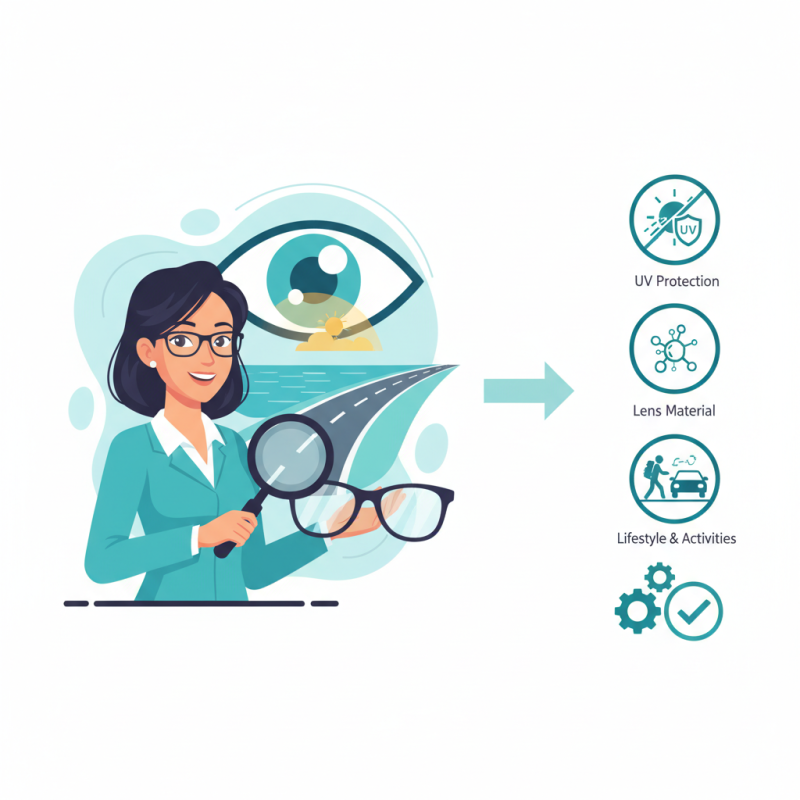
Understanding these factors can prevent frustration. Sometimes, users may choose lenses based solely on appearance rather than function. By researching and consulting professionals, you can find the best polarized prescription lenses for your lifestyle. Remember, investing time in this process will pay off in the long run.
Understanding Polarized Lenses: Benefits and Functionality
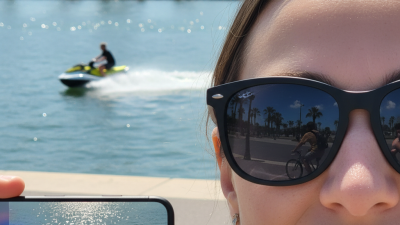
Polarized lenses are a game changer in vision care. They are designed to reduce glare from reflective surfaces, making them ideal for outdoor activities. When sunlight hits water, roads, or snow, it can create blinding reflections. Polarized lenses help eliminate this issue by filtering out horizontal light waves. This results in clearer vision and less eye strain, especially during bright conditions.
These lenses offer several benefits, particularly for those who spend time outdoors. They enhance contrast, making landscapes appear more vibrant. Colors become richer, and details pop, improving your overall visual experience. However, it’s essential to consider their limitations. For instance, polarized lenses can make it difficult to see LCD screens. Users may experience challenges when trying to read their smartphones or GPS devices. This aspect requires careful thought before choosing polarized lenses.
Another aspect to ponder is their impact during snowy conditions. While they effectively reduce glare, they can also hinder depth perception. Skiers and snowboarders should be cautious. Understanding these elements can help you make informed decisions about polarized lenses. Balancing the benefits and drawbacks is key to achieving optimal vision quality.
Key Factors to Consider When Selecting Polarized Prescription Lenses
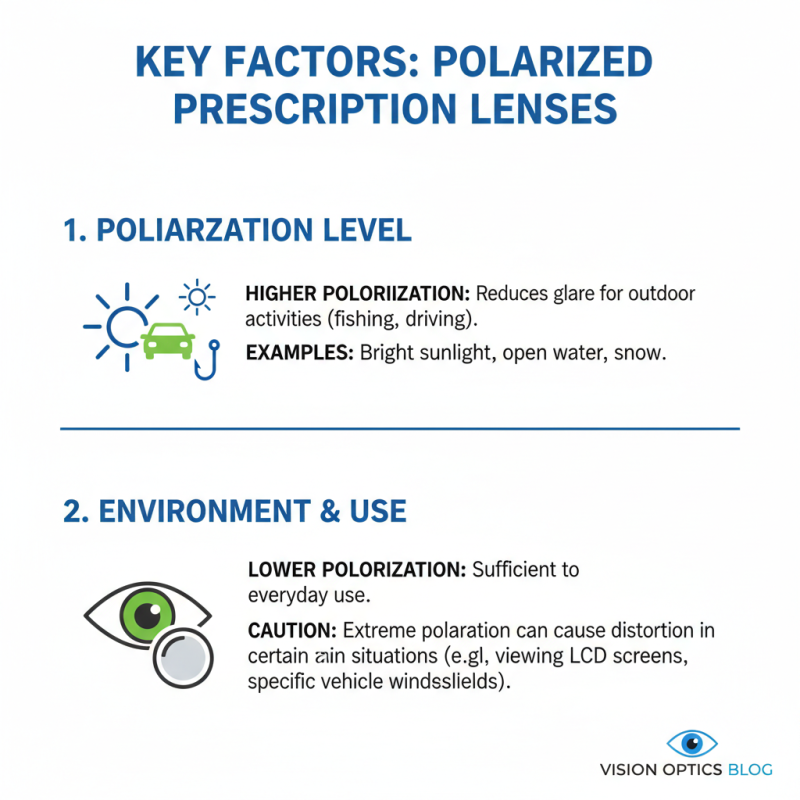
When choosing polarized prescription lenses, understanding key factors is essential. The level of polarization matters greatly. Higher polarization can reduce glare more effectively, especially during outdoor activities like fishing or driving. Yet, some environments might not require extreme polarization, leading to potential distortion in certain situations.
Lens material also plays a crucial role. Polycarbonate lenses are known for their strength and lightweight nature. They offer good impact resistance, ideal for sports and active lifestyles. However, they can scratch more easily than other materials. Another option, high-index lenses, provides thinner profiles for stronger prescriptions. Consider your daily activities when selecting the lens material.
The tint color is another detail to think about. Gray tints reduce brightness without distorting colors. Brown tints enhance contrast but can alter color perception. Personal preference and visual comfort should guide your choice. It can be hard to get everything right on the first try. It’s a learning process, requiring adjustment and careful observation. Test different options if possible and seek professional advice for the best outcomes.
The Importance of UV Protection in Polarized Prescription Lenses
When selecting polarized prescription lenses, UV protection is crucial. The sun emits harmful UV rays, which can lead to serious eye issues. According to the American Academy of Ophthalmology, prolonged UV exposure can increase the risk of cataracts by 20-30%. This makes understanding UV protection an essential part of lens choice.
Polarized lenses reduce glare from reflective surfaces. However, without UV protection, they may not fully protect your eyes. A study published in the Journal of Optometry found that people often neglect to consider UV protection when buying sunglasses or lenses. This oversight can lead to long-term eye damage. Therefore, ensure any polarized prescription lens offers comprehensive UV coverage.
Additionally, not all lenses provide the same level of protection. Look for lenses that block 100% of UVA and UVB rays. The Vision Council highlights that nearly 80% of UV exposure occurs before the age of 18. This fact underscores the importance of prioritizing UV protection, especially for children and young adults. Taking the time to select the right lenses can make all the difference in preserving your eye health.
Different Types of Polarized Coatings and Their Impact on Vision
When it comes to selecting polarized prescription lenses, understanding various polarized coatings is essential. These coatings can significantly influence your visual experience. Polarized coatings reduce glare from reflective surfaces, such as water or roads. A study by the American Optometric Association reveals that glare can impair visibility and lead to fatigue. This is particularly important for outdoor activities and driving.
Different types of polarized coatings exist. Some lenses offer maximum polarization, while others may reduce reflections but allow more light. High-performance coatings are generally recommended for clarity and protection. However, within the same category, the effectiveness may vary. Not all polarized lenses provide equal UV protection, which is vital for eye health. Users must consider these differences to make the best choice.
Not all polarized lenses are created equal. For instance, some coatings may enhance color perception while others could distort it. Many users report confusion when comparing options. It highlights the need for guidance from professionals. Awareness of how polarized coatings can interact with other lens features is also crucial. Making the right decision requires understanding these nuances and their impact on your daily activities.
Impact of Different Polarized Lens Coatings on Visual Clarity
Evaluating Lens Materials for Optimal Clarity and Durability
Choosing the right polarized prescription lenses involves careful consideration of the lens materials. The clarity and durability of these materials are critical for vision and comfort. High-index plastics provide excellent clarity and are lightweight. They can be beneficial for individuals with stronger prescriptions. However, they can be more susceptible to scratches. It’s essential to balance weight and durability when making your choice.
Polycarbonate lenses are another popular option. They offer high impact resistance, making them ideal for active lifestyles. Yet, they can sometimes lack the optical clarity of other materials. If you prioritize durability, polycarbonate might be the better choice, but keep clarity in mind.
Considering lens coatings is also important. Anti-scratch and anti-reflective coatings enhance the usability of your lenses. A good coating can improve your experience, but it may add some cost. Remember, even the best materials can wear out over time. Regular maintenance and care are necessary to maintain optimal performance. Each option has its pros and cons, so weigh them according to your needs.
Top Tips for Choosing Polarized Prescription Lenses
| Lens Material |
Clarity Rating |
Impact Resistance |
Weight |
Price Range |
| Polycarbonate |
Excellent |
High |
Lightweight |
$100 - $250 |
| Trivex |
Excellent |
Very High |
Lightweight |
$150 - $300 |
| High-Index Plastic |
Good |
Moderate |
Moderate |
$120 - $280 |
| Standard Plastic |
Fair |
Low |
Lightweight |
$70 - $150 |
| Glass |
Excellent |
Very Low |
Heavy |
$200 - $400 |