Top Optical Lenses in China for Global Buyers?
In recent years, the optical lenses industry in China has gained significant attention from global buyers. The growing demand for high-quality optical lenses has led to innovations and advancements within this sector. Industry expert Dr. Lin Zhao states, “Quality and precision in optical lenses are critical for success in global markets.” This highlights the importance of selecting reliable manufacturing partners.
Chinese manufacturers are known for their competitive pricing and advanced technology. However, ensuring that these lenses meet international quality standards is essential. Many global buyers face challenges in differentiating between high-quality and subpar products. The search for the best optical lenses often becomes overwhelming due to the sheer volume of options available.
Throughout this exploration, it's vital to consider both the benefits and drawbacks of sourcing optical lenses from China. While cost savings can be attractive, buyers must remain vigilant about quality assurance. The balance between affordability and reliability in optical lenses is crucial for making informed decisions in an ever-evolving market.

Overview of Optical Lenses Market in China
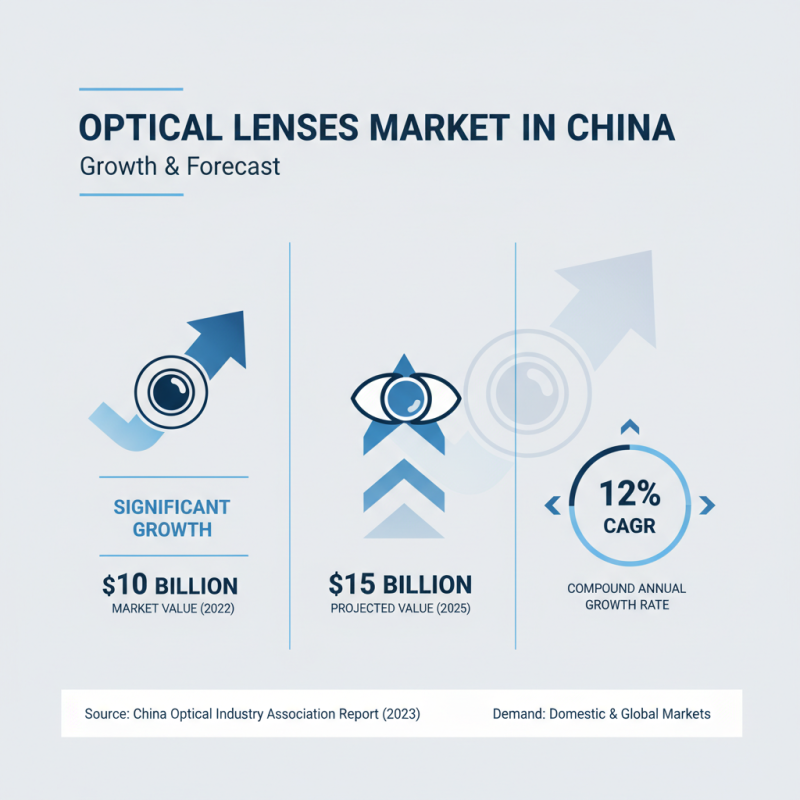
The optical lenses market in China has seen significant growth in recent years. According to a report by the China Optical Industry Association, the market was valued at approximately $10 billion in 2022. This figure is expected to reach $15 billion by 2025, reflecting a compound annual growth rate (CAGR) of around 12%. Such statistics highlight the increasing demand for optical lenses within both domestic and global markets.
One of the key factors driving this growth is the rise in smartphone usage. A recent survey indicated that over 80% of smartphone users rely on advanced camera functions. This trend has directly boosted the demand for high-quality optical lenses. Additionally, the expanding applications in industries like healthcare, automotive, and consumer electronics further contribute to this surge. However, challenges remain. Manufacturing inconsistencies and quality control issues can impact customer satisfaction.
The market also faces fierce competition, which can lead to price wars. This situation may compromise the focus on innovation and quality. While China excels in production capabilities, there are areas for improvement. Greater emphasis on research and development could enhance product offerings and global standing. Investing in sustainable practices is another area to consider, ensuring long-term growth and environmental responsibility.
Key Manufacturers and Their Offerings
In China, the optical lens market is thriving, offering a range of products tailored for global buyers. Many manufacturers specialize in diverse sectors, from photography to industrial applications. Their expertise showcases innovation and adaptability in meeting varied market demands. However, not every company maintains consistent quality. Some brands struggle with production standards, which can compromise performance.
Additionally, the manufacturers continuously seek to improve their technology. This drive for excellence encourages competition, pushing them to develop high-performance lenses. Many producers rely on advanced materials and precision engineering. Despite these efforts, some manufacturers still face challenges in maintaining efficiency and reliability.
The landscape is evolving, but certain aspects remain flawed. For instance, customer service quality can vary significantly among companies. Buyers may experience delays in support or inconsistent communication. This inconsistency raises questions about the reliability of potential partners. Overall, the optical lens sector in China demonstrates both promise and pitfalls for global buyers.
Top Optical Lenses in China for Global Buyers
| Lens Type |
Material |
Coating Type |
Application |
Production Capacity (Units/Month) |
| Aspheric Lens |
Optical Glass |
Anti-Reflective |
Cameras, Microscopes |
100,000 |
| Fresnel Lens |
Polycarbonate |
UV Coating |
Projectors, Solar Energy |
50,000 |
| Achromatic Lens |
Glass |
Anti-Reflective, Scratch-Resistant |
Optical Instruments |
30,000 |
| Biconvex Lens |
Crown Glass |
Multi-Coated |
Magnifiers, Cameras |
80,000 |
| Planoconvex Lens |
Optical Grade Plastic |
Anti-Fog |
Optical Systems |
60,000 |
Technological Innovations in Optical Lens Production
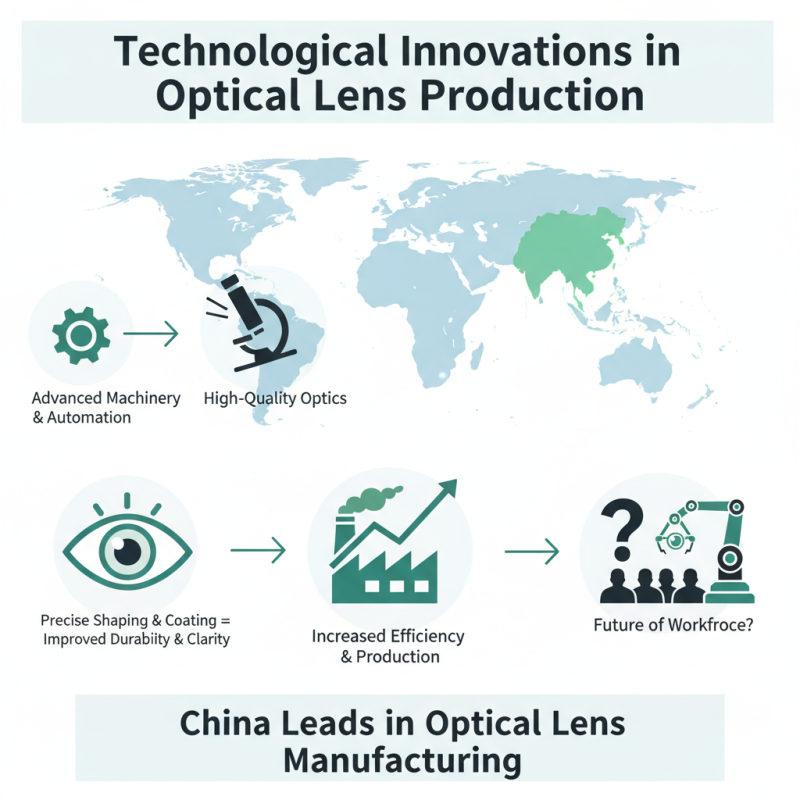
China is making significant strides in optical lens production, fueled by technological innovations. Advanced machinery is now common in factories, allowing for precise shaping and coating of lenses. These processes improve durability and clarity, meeting the rising demand for high-quality optics. As manufacturers adopt automation, efficiency has increased dramatically. However, this shift raises questions about the workforce's future in lens production.
The integration of artificial intelligence in quality control is another notable advancement. AI systems monitor defects in real-time, drastically reducing errors. This helps maintain high standards, but it also highlights potential over-reliance on technology. Workers must adapt and learn new skills to stay relevant. Meanwhile, sustainability remains a pressing issue in the industry. While innovations are improving production, there is a growing need for environmentally-friendly materials and processes.
Despite these advancements, challenges persist. The fast-paced growth may compromise traditional craftsmanship. Balancing modern technology with artisan skills is essential for long-term success. As optical lens producers navigate these complexities, continuous reflection and adaptation will be crucial. Embracing both innovation and tradition could lead to a more sustainable and reliable future in optical lens production.
Quality Standards and Certifications for Optical Lenses
When selecting optical lenses, quality standards and certifications play a vital role. Reliable lenses often meet rigorous testing protocols. In China, manufacturers adhere to national and international standards. Common certifications include ISO 9001 for quality management and CE marking for safety.
Understanding these standards helps global buyers assess product quality. Quality assurance ensures that lenses provide clarity and durability. However, not all manufacturers maintain high compliance levels. It is essential for buyers to perform due diligence.
Certifications can indicate a commitment to quality. Yet, buyers should be aware of potential discrepancies. Some manufacturers may exaggerate their compliance claims. Engaging with experts in the field can provide insight into these quality metrics. Ultimately, making informed decisions based on credible information is crucial in selecting optical lenses.
Supply Chain and Export Trends in the Chinese Optical Lens Industry
The Chinese optical lens industry has seen remarkable growth in recent years. In 2022, the total export value of optical lenses reached approximately USD 5.6 billion, reflecting an increase of over 10% from the previous year. This expansion is driven by rising global demand, as countries seek advanced optical technologies. The industry has also witnessed a shift towards the production of high-quality lenses. Manufacturers are adopting innovative technologies to enhance precision and performance.
Supply chain dynamics play a crucial role in this sector. China's vast manufacturing ecosystem allows for efficient production at scale. However, challenges remain. Disruptions caused by global events have shown vulnerabilities in supply chain continuity. Better risk management strategies are essential for sustaining growth. Additionally, environmental sustainability has emerged as a pressing concern. Producers are now exploring eco-friendly materials to meet regulatory standards and consumer expectations.
Global buyers are increasingly looking for reliable partners in China. A strong understanding of the local market is crucial for navigating complexities. Reports indicate that over 70% of buyers prioritize suppliers who demonstrate transparency and quality assurance. The focus on developing strong relationships will shape the future of international trade in optical lenses.
Top Optical Lenses in China for Global Buyers