Top 10 Benefits of Polycarbonate Lenses for Optics and Eyewear?
In today's optical industry, Polycarbonate Lenses have emerged as a preferred choice for eyewear. Dr. Emily Carter, a leading expert in ophthalmic optics, states, "The durability and lightweight nature of polycarbonate lenses make them unparalleled for everyday use." These lenses offer numerous advantages over traditional options, catering to diverse needs in eyewear.
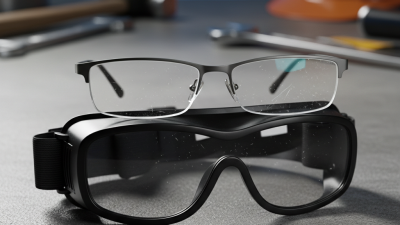
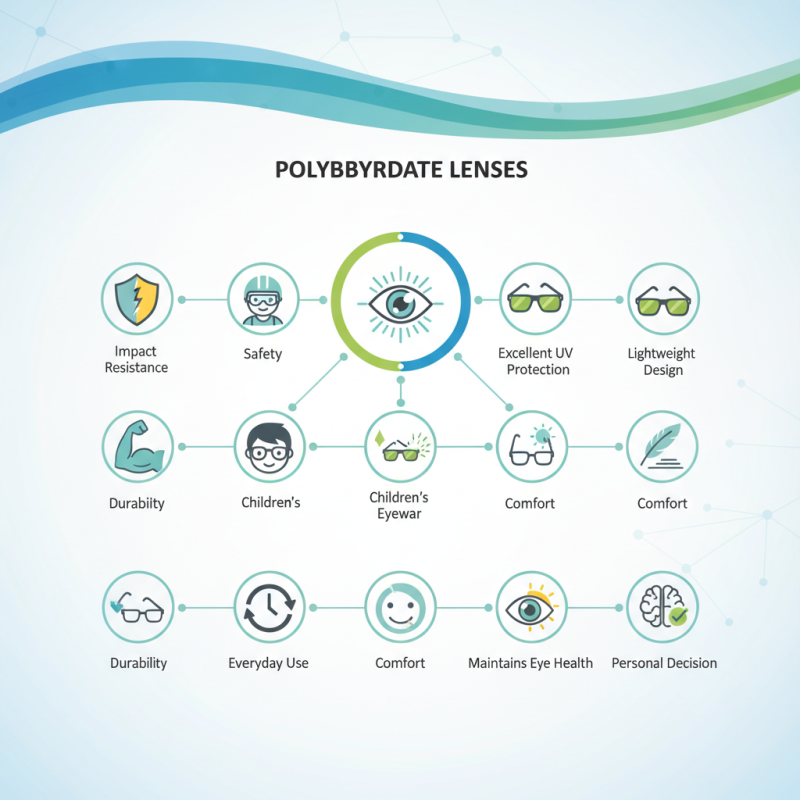
Polycarbonate lenses are known for their impact resistance and safety. This makes them ideal for children’s eyewear and sports glasses. Many users appreciate how they can withstand daily wear and tear. Additionally, they provide excellent UV protection, which is crucial for maintaining eye health. The lightweight design ensures comfort during extended periods of wear.
Despite these benefits, it’s essential to consider individual needs. While polycarbonate lenses excel in various areas, they might not suit everyone. Some users may prefer the visual clarity offered by high-index lenses. Understanding personal requirements is vital in making the right choice. Thus, polycarbonate lenses represent a remarkable advancement in eyewear, yet selecting the best material remains a personal decision.
Benefits of Polycarbonate Lenses: An Overview
Polycarbonate lenses have gained attention in the eyewear industry for their myriad benefits. One of the most compelling advantages is their impact resistance. According to the American National Standards Institute (ANSI), these lenses can withstand high-velocity impacts, making them ideal for safety glasses and sports eyewear. This durability is particularly important in environments where accidents can happen.
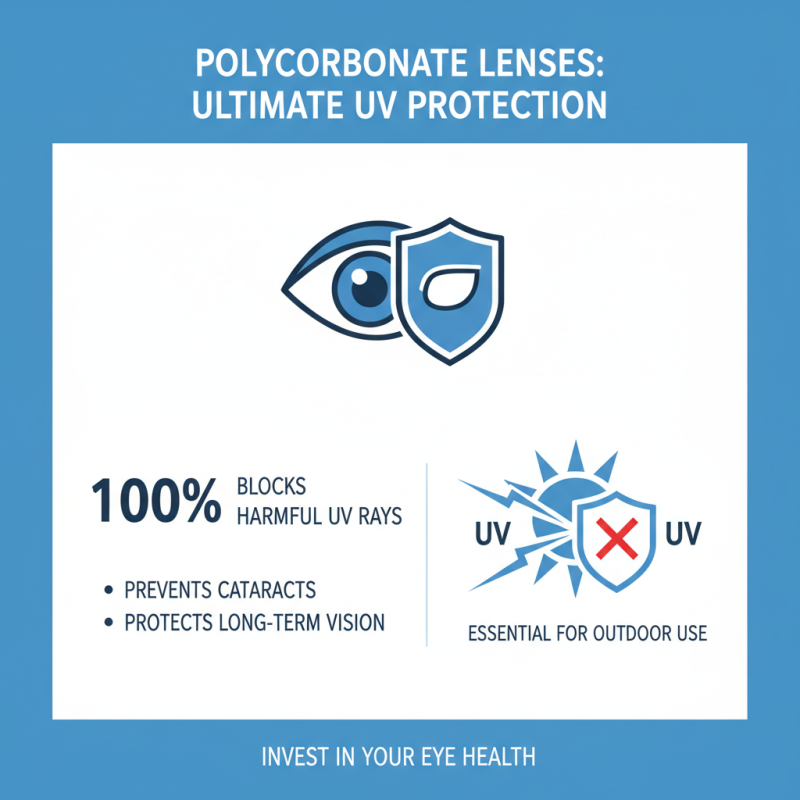
Another significant benefit is the lightweight nature of polycarbonate. Weighing 40% less than standard glass lenses, they offer comfort without compromising on quality. Users often report reduced fatigue when wearing polycarbonate eyewear for extended periods. Additionally, polycarbonate lenses provide UV protection, blocking 100% of harmful rays. This can help in preventing long-term eye damage and related conditions.
Tip: When selecting eyewear, consider your lifestyle needs. For active users, polycarbonate lenses are a smart choice.
While polycarbonate lenses offer many advantages, they come with challenges. They can
scratch more easily than other materials unless they have a scratch-resistant coating. Maintaining clarity requires careful handling. Such considerations should not deter potential users but encourage
informed decisions.
Tip: Always choose lenses that come with a protective coating to enhance durability.
Lightweight Properties of Polycarbonate Lenses
Polycarbonate lenses are gaining attention for their lightweight properties. Weighing nearly half as much as traditional lenses, they offer a significant advantage. This reduction in weight means more comfort, especially for those who wear glasses throughout the day. The added comfort can be crucial for active individuals who require reliable eyewear for various activities.
Another key aspect of polycarbonate lenses is their impact resistance. Being lightweight does not compromise their strength. These lenses can withstand significant force without shattering. For those engaging in sports or outdoor activities, this feature provides peace of mind. It allows users to focus on their pursuits rather than worrying about broken eyewear.
However, one must consider individual preferences. While many praise polycarbonate for its lightweight nature, some may miss the heavier feel of traditional glass lenses. This perception can affect comfort and style choices. Users should reflect on their specific needs and preferences when selecting lenses. Such considerations ensure that the chosen eyewear aligns with personal comfort and lifestyle requirements.
Top 10 Benefits of Polycarbonate Lenses for Optics and Eyewear
| Benefit |
Description |
| Lightweight |
Polycarbonate lenses are significantly lighter than glass lenses, making them more comfortable for all-day wear. |
| Impact Resistance |
They are highly resistant to impacts and less likely to shatter upon strong force, ideal for sports and safety eyewear. |
| UV Protection |
Polycarbonate lenses naturally block out 100% of harmful UV rays, protecting your eyes from damage. |
| Scratch Resistance |
Many polycarbonate lenses come with scratch-resistant coatings, enhancing their durability. |
| Optical Clarity |
They offer excellent optical clarity, making them suitable for prescription glasses and reducing distortion. |
| Versatility |
Polycarbonate lenses can be used in a variety of eyewear styles, including sunglasses, safety glasses, and regular spectacles. |
| Thin Design |
Due to their high refractive index, polycarbonate lenses can be made thinner than traditional lenses, preserving aesthetics. |
| Cost-Effective |
They are generally more affordable than high-index glass lenses, providing excellent value for the features offered. |
| Light Transmission |
Polycarbonate lenses allow for optimal light transmission, making them suitable for various lighting conditions. |
Impact Resistance and Safety of Polycarbonate Lenses
Polycarbonate lenses are revolutionizing eyewear with their exceptional impact resistance. According to the American National Standards Institute (ANSI), polycarbonate lenses can withstand impacts up to 10 times greater than standard plastic or glass lenses. This makes them ideal for safety eyewear, especially in high-risk environments. Workers in construction, manufacturing, and emergency services benefit immensely from this durable material.
In addition to safety, polycarbonate lenses provide optical clarity. Their high tensile strength translates to thinner and lighter lenses, enhancing comfort. A study by the Optical Society found that wearers prefer lighter glasses, which can reduce pressure on the nose and ears. However, while polycarbonate offers many advantages, they can be prone to scratching if not properly coated. Therefore, protective coatings can significantly enhance their longevity.
The safety aspect is paramount. Polycarbonate’s shatter-resistant properties protect users from flying debris. This quality is vital for children, who often engage in rough play. However, some users may find that polycarbonate lenses can distort colors slightly due to their material properties. It is essential for consumers to weigh these considerations while selecting the right eyewear for their needs.
Top 10 Benefits of Polycarbonate Lenses for Optics and Eyewear
Optical Clarity and Vision Enhancement with Polycarbonate Lenses
Polycarbonate lenses are a remarkable innovation in the world of optics. They provide exceptional optical clarity, allowing for vivid colors and sharp images. This clarity enhances everyday vision. Whether reading a book or driving at night, polycarbonate lenses improve visibility significantly. Users often notice less distortion compared to traditional lenses.
Additionally, polycarbonate lenses are lightweight, making them comfortable for all-day wear. Their impact-resistant nature adds to their appeal, especially for those with active lifestyles. However, some might find that their scratch resistance isn't as high as other materials, requiring careful handling. Regular maintenance is crucial to keeping them in top shape.
The enhancement of vision remains one of the key benefits. These lenses do not just improve clarity; they also reduce harmful UV rays. This protection is essential for eye health over time. Polycarbonate lenses adapt well to various prescriptions too. Customization options mean that almost anyone can benefit from these lenses. Overall, while they come with some considerations, the advantages surely outweigh the downsides.