
Leave Your Message
Choosing the best Mirrored Polarized Sunglasses requires more than matching lens color with a favorite outfit. Glare reduction, ultraviolet protection, optical clarity, and frame fit all matter during real use. Grand View Research valued the global sunglasses market at approximately USD 20 billion in 2023. Its report also projects continued growth through 2030. This expansion creates more choices, but not necessarily better choices.
Dr. Gary Heiting, OD, an optical educator, explains, “Polarized lenses reduce reflected glare from surfaces such as water and roads.” That distinction is important. Polarization can make a bright dashboard or wet highway feel calmer, while mirroring mainly reduces visible light entering the lens. Neither feature automatically proves complete UV protection. Look for a clearly stated 100% UVA and UVB rating, preferably from a reputable optical retailer or laboratory-tested brand. The World Health Organization identifies excessive ultraviolet exposure as a contributor to cataracts and other eye conditions. Protection should never be treated as decoration.
Fit remains practical. A good pair sits close to the face without touching the eyelashes. The temples should stay secure when you turn your head. Check reflections under strong sunlight, not only under indoor shop lighting. Some mirrored coatings show fingerprints quickly. That can become annoying.
I would not choose lenses by darkness alone. Very dark lenses can feel premium, yet poor optical quality may cause fatigue. The best decision balances verified protection, stable construction, intended activity, and personal comfort. That sounds simple. It is not always. Even professional recommendations can miss individual needs, especially for prescription wearers or people with light sensitivity.
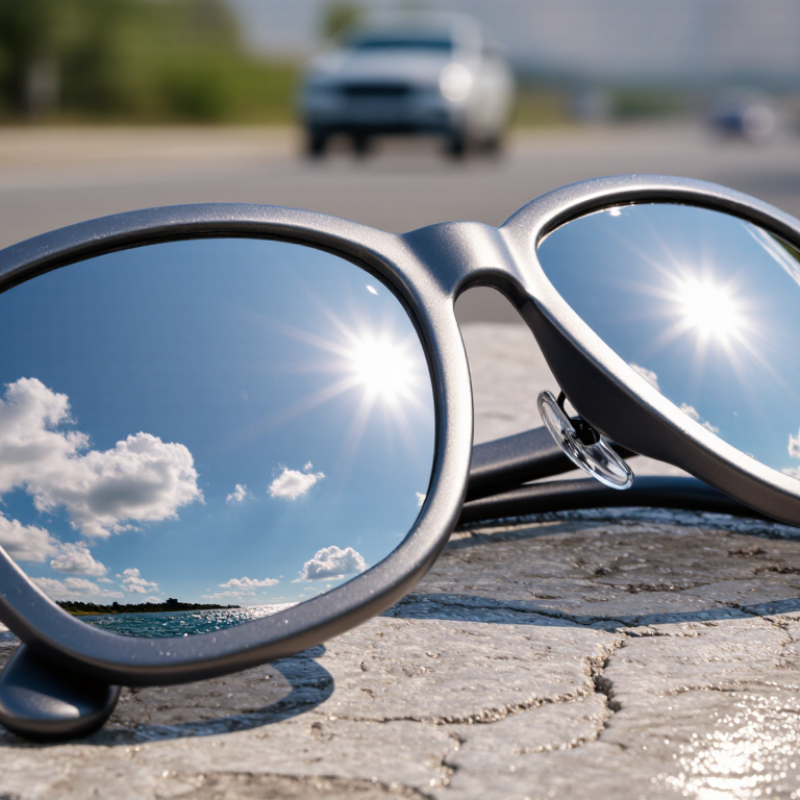
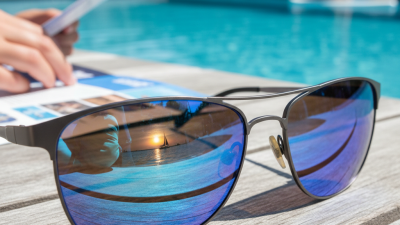
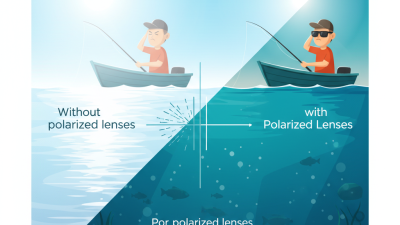
Mirrored polarized sunglasses combine two separate lens technologies. Polarization uses a vertical filter to reduce horizontally reflected light. This glare often comes from roads, water, snow, and car windows. The mirror coating reflects part of the incoming light before it reaches your eyes. As a result, the lenses can feel more comfortable in bright conditions. No lens is perfect.
The filter does not simply make everything darker. It controls specific glare while preserving useful visual detail. The mirror layer may also reduce overall brightness, depending on its coating density and lens tint. Polarization is not the same as ultraviolet protection, so check that the lenses provide full UVA and UVB protection. This detail matters more than a fashionable reflective surface.
When choosing a pair, I look through the lenses at a bright pavement area and notice whether harsh reflections soften. I also check whether nearby details remain sharp and colors look natural. Some polarized lenses make digital screens appear dim or uneven, especially when viewed through certain angles. That can be inconvenient while driving or using navigation. Fit matters, too: gaps around the frame can allow stray light to enter. A durable coating helps, but no coating prevents every scratch. My own judgment can be imperfect, so I test sunglasses in real daylight instead of trusting appearance alone.
| Feature or Dimension | What It Is | How It Works | Practical Benefit | What to Check Before Buying |
|---|---|---|---|---|
| Polarization | A filter that selectively reduces horizontally oriented reflected light. | Light reflected from flat surfaces such as water, roads, and snow is often strongly polarized. The filter blocks much of this glare before it reaches the eyes. | Reduces glare Improves visual comfort and can make details easier to see in bright conditions. |
Confirm that the product is explicitly described as polarized. A mirrored appearance alone does not indicate polarization. |
| Mirror Coating | A thin reflective coating applied to the front surface of a sunglass lens. | It reflects part of the incoming visible light before it passes through the lens. It may be applied over tinted and polarized lenses. | Lowers brightness Useful in very bright environments and provides a distinctive reflective appearance. |
Check the coating for even color, uniform coverage, and freedom from visible pinholes, bubbles, or peeling. |
| UV Protection | Protection against ultraviolet radiation, including UVA and UVB wavelengths. | A UV-blocking lens material or treatment absorbs or prevents harmful ultraviolet radiation from passing through the lens. | Essential protection Helps reduce ultraviolet exposure to the eyes. |
Look for a clear statement such as “100% UVA/UVB protection” or “UV400.” Dark tint or mirror finish by itself does not prove UV protection. |
| Visible Light Transmission (VLT) | The percentage of visible light that passes through the lens. | Lower VLT means a darker lens and less visible light reaching the eyes. | Helps match lens darkness to the environment and activity. | For bright outdoor use, a lens in the common sunglass range of approximately 8–18% VLT is often suitable. Avoid very dark lenses for low-light conditions. |
| Lens Category | A light-transmission classification used in many sunglass standards. | Categories indicate how much visible light the lens transmits; they do not independently describe UV protection or polarization. | Makes it easier to compare lens darkness for different lighting conditions. | Category 2 generally transmits about 18–43% of visible light; Category 3 about 8–18%; Category 4 about 3–8% and is not suitable for driving. |
| Lens Material | The base material from which the lens is manufactured. | Common options include polycarbonate, CR-39 plastic, and glass. Each balances impact resistance, optical quality, weight, and scratch resistance differently. | Influences comfort, durability, clarity, and suitability for sports or everyday use. | Choose polycarbonate for high impact resistance and light weight; CR-39 for good optical clarity and value; glass for excellent scratch resistance but greater weight and breakage risk. |
| Optical Clarity | How accurately the lens transmits an undistorted image. | Precise manufacturing and consistent lens curvature help prevent waviness, distortion, and eye strain. | Provides more comfortable vision during extended wear. | Hold the glasses at arm’s length and view a straight object through the lens. Move the glasses slowly; straight lines should not noticeably bend or ripple. |
| Frame Coverage | How well the frame and lenses shield the eyes from light entering around the sides and top. | Larger lenses, curved designs, and closer-fitting frames reduce stray light reaching the eyes. | Improves glare control, especially near water, snow, and open roads. | Check that the frame covers the eyes without touching the cheeks and that light does not enter excessively from the sides. |
| Fit and Stability | How securely and comfortably the sunglasses sit on the nose, ears, and face. | Correct bridge width, temple length, nose pads, and balanced weight help prevent slipping and pressure points. | Maintains consistent eye coverage during walking, driving, or outdoor activities. | The frame should not pinch the temples, slide when you look down, or rest heavily on the cheeks. Adjustable nose pads can improve fit. |
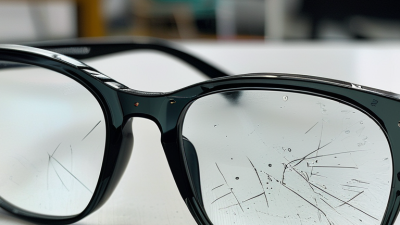
| Scratch Resistance | The lens surface’s ability to resist scratches during normal handling. | Hard coatings can improve surface durability, but no lens coating makes sunglasses completely scratch-proof. | Helps preserve visibility and extend the usable life of the lenses. | Use a protective case and microfiber cloth. Do not wipe lenses with clothing or clean them when dry if dust is present. |
| Mirror-Coating Color | The visible color of the reflective outer coating, such as silver, gold, blue, or green. | Mirror color mainly changes reflected appearance; it does not by itself determine polarization or UV protection. | Allows personal styling and can complement different lens tints. | Prioritize UV protection, polarization, VLT, fit, and optical quality over the mirror color. |
| Driving Suitability | Whether the lens provides adequate visibility and complies with applicable road-use requirements. | Polarization can reduce dashboard or road glare, but excessive darkness, poor optical quality, or unsuitable lens categories can impair vision. | May improve comfort in bright daytime driving conditions. | Choose clear, undistorted lenses with an appropriate daytime category. Do not use Category 4 lenses for driving, and check local regulations. |
| Activity Matching | The suitability of the sunglasses for a particular environment or sport. | Water, snow, cycling, hiking, and everyday use create different demands for glare reduction, coverage, impact resistance, and lens darkness. | Improves both performance and comfort. | For water and snow, prioritize polarization and high glare control; for active sports, prioritize impact resistance, secure fit, and wraparound coverage. |