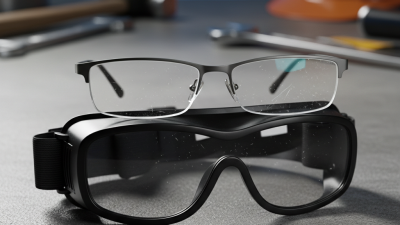
Top 5 Tips for Choosing Polycarbonate Lenses for Your Needs?
Choosing the right lenses is essential for optimal vision and comfort. Polycarbonate lenses have gained popularity for their lightweight and impact-resistant features. However, selecting the best pair can be challenging. The wide variety of options can leave many confused.
When considering Polycarbonate Lenses, it's important to assess specific needs. Factors like lifestyle, occupation, and personal preferences play a crucial role. For instance, athletes may require lenses that withstand severe impacts. On the other hand, office workers might prioritize anti-reflective coatings.
Not all Polycarbonate Lenses are created equal. Some may offer additional UV protection, while others might focus on scratch resistance. Understanding these differences can significantly affect your eyewear experience. Reflecting on your daily activities can help guide your choices, ensuring you opt for lenses that truly meet your needs.
Understanding the Benefits of Polycarbonate Lenses
Polycarbonate lenses have become a popular choice for eyewear due to their unique benefits. One significant advantage is their lightweight nature. Many people find them easier to wear for extended periods. This is especially important for individuals who rely on glasses throughout the day. Comfortable eyewear can enhance the quality of life.
Another key benefit is their impact resistance. Compared to standard plastic or glass lenses, polycarbonate is less likely to shatter. This durability makes them an excellent option for children or those who lead an active lifestyle. However, not all polycarbonate lenses are created equal. Some may lack scratch-resistant coatings, making them less reliable in the long run. It’s crucial to check this feature when selecting your lenses.
In terms of UV protection, polycarbonate lenses offer inherent benefits. They block harmful UV rays, protecting your eyes from long-term damage. Yet, users must still remain vigilant about selecting lenses with a proper anti-reflective coating. Such coatings enhance visual clarity and reduce glare. Compromises in quality can lead to vision fatigue. Finding the right balance is essential, and careful research can guide users towards making informed choices.
Analyzing Your Optical Needs and Lifestyle Preferences
When considering polycarbonate lenses, it’s essential to analyze your optical needs and lifestyle preferences. Think about how often you’re outdoors. If you spend significant time in the sun, UV protection is crucial. Polycarbonate lenses naturally block harmful rays, making them a solid choice. Yet, do you frequently switch between indoor and outdoor environments? If so, consider lenses with transitional options for added convenience.
Next, reflect on your daily activities. Are you involved in sports or active hobbies? Polycarbonate lenses are lightweight and impact-resistant, which is beneficial for those on the go. However, think about the comfort and fit of your frames. Proper alignment with your facial structure can make a noticeable difference during extended use. If they feel off, even the best lenses won’t serve you well.
Consider your visual demands too. Are you working with digital screens for long periods? The right lens coating can reduce eye strain significantly. A clear understanding of your daily routine can guide you to the best options. Adjusting to new lenses takes time, and you may need to try different styles before finding the best fit. Listen to your eyes and embrace the process of finding what suits you best.
Top 5 Tips for Choosing Polycarbonate Lenses for Your Needs
| Tip |
Description |
Ideal For |
Lifestyle Preference |
| 1. Assess Your Activities |
Consider how you spend your time daily to choose lenses that offer the right level of protection and enhancement. |
Active individuals, sports enthusiasts |
Outdoor activities, sports |
| 2. Consider Lens Coatings |
Look for anti-scratch and anti-reflective coatings to enhance durability and visual comfort. |
Regular users, office workers |
Indoors and outdoors |
| 3. Evaluate UV Protection |
Choose lenses that provide 100% UV protection to safeguard your eyes from harmful rays. |
Individuals in sunny climates |
Outdoor living, travel |
| 4. Choose the Right Prescription |
Ensure your prescription is current and consider your vision needs, like distance or reading. |
People with vision correction needs |
Daily use, reading, driving |
| 5. Select Lens Tinting |
Consider tinted lenses for additional comfort and to reduce glare based on your lifestyle. |
Outdoor workers, drivers |
Sunlight exposure, glare reduction |
Evaluating UV Protection and Optical Clarity Features
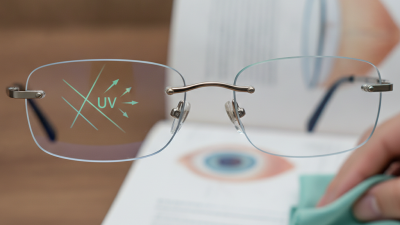
When selecting polycarbonate lenses, evaluating UV protection is crucial. Polycarbonate lenses block up to 99% of harmful UV rays. This feature is essential for preventing eye damage. Reports show that prolonged UV exposure can lead to cataracts and other serious eye conditions. A reputable study indicated that 20% of cataracts result from UV exposure. Thus, ensuring lenses have high UV protection is a priority.
Optical clarity matters just as much as UV protection. Polycarbonate lenses offer excellent clarity, but not all lenses are created equal. Some products may experience distortion, affecting vision quality. Experts suggest checking for the lens’ Abbe value, which measures optical clarity. An Abbe value above 30 is generally considered good. Furthermore, users should be aware of potential reflections. Anti-reflective coatings can enhance clarity significantly, reducing glare. This improvement is especially important for night driving or screen time.
Finding the right balance of UV protection and optical clarity ensures optimal eye health. Keep in mind the way lenses feel and perform in real-life scenarios. A lens may perform well in a lab but could fall short in everyday use. This discrepancy emphasizes the need for thoughtful evaluations and user feedback.
Comparing Coating Options for Durability and Scratch Resistance
Choosing polycarbonate lenses often involves evaluating various coating options. These coatings enhance durability and scratch resistance, crucial for prolonged lens life. Lens coatings vary significantly, affecting both performance and cost.
Anti-scratch coatings are vital for daily wear. They protect lenses from minor damages. However, these coatings are not infallible. Over time, even the best coatings can wear out. Regular maintenance can help prolong their effectiveness. Cleaning solutions should be gentle and suitable for coated surfaces.
Anti-reflective coatings enhance clarity and reduce glare. This is especially beneficial for night driving or working on screens. However, these coatings can be prone to smudging. Users often find themselves cleaning their lenses more frequently. A balance between visual comfort and maintenance is key in the selection process. Selecting the right coating means assessing both your lifestyle and visual needs.
Selecting the Right Frame Compatibility for Polycarbonate Lenses
When it comes to selecting polycarbonate lenses, frame compatibility is crucial. Not all frames work well with polycarbonate lenses, which can impact both comfort and functionality. Look for frames that offer enough space for the lenses. A snug fit ensures that lenses stay secure and provide the best visual experience.
Consider the frame material too. Lightweight metals or flexible plastic can complement the lightweight nature of polycarbonate. This pairing enhances comfort, especially if you wear glasses for extended periods. Take note of the frame's design; some styles can limit lens thickness and shape options. Aesthetic preferences also matter, so evaluate how different frames suit your style.
One tip is to always try on the frames with the lenses. They may feel different than expected. Pay attention to how they align with your facial features. Do they slide down? Do they pinch? These details can lead to discomfort. Testing in person can save you from making a poor choice. Ensure you create a balance between form and function to achieve the best possible fit for your needs.
Top 5 Tips for Choosing Polycarbonate Lenses for Your Needs