What is Photochromic Gray Benefits and Uses for Buyers?
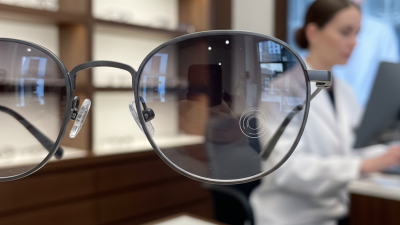
Photochromic Gray lenses are an innovative solution for eyewear. They adapt to changing light conditions, offering convenience and comfort. More than just style, these lenses provide benefits that enhance visual clarity and protect your eyes.
With Photochromic Gray lenses, wearers experience optimal UV protection. They block harmful rays and reduce glare. This is particularly beneficial for outdoor enthusiasts. The neutral tint of gray ensures accurate color perception, making them ideal for various settings.
Choosing Photochromic Gray is an investment in eye health. Yet, buyers should consider their specific needs. Not everyone may find the transition speed suitable. Understanding how these lenses work can lead to a more satisfying purchase. Exploring their uses and advantages further will help clarify their place in your eyewear collection.
Definition of Photochromic Gray and How It Works
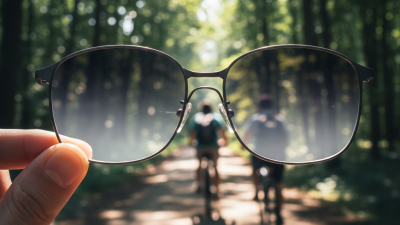
Photochromic gray lenses are fascinating. They change tint with UV light exposure, offering protection against harmful rays. In sunny conditions, these lenses darken to provide comfort and clarity. When indoors or in low light, they return to their clear state. This dual functionality makes them a popular choice for many.
Understanding how photochromic technology works is key. The lenses contain special molecules that react to UV light. When exposed, these molecules absorb light and transform into a darker state. The reverse happens when the light source is removed. This process is usually quick, making transitions seamless for wearers. However, response time can vary based on temperature. In colder climates, the lenses may change more slowly.
Tips: Consider your daily environment when selecting photochromic lenses. If you frequently move between indoors and outdoors, they can be especially beneficial. Also, remember to check how they perform in different temperatures. You might want to note that they may not work as effectively inside cars due to UV-blocking windshields. This could lead to unexpected adjustments in lighting. Reflect on your lifestyle to find the best fit for your needs.
Key Benefits of Photochromic Gray for Consumers
Photochromic gray lenses are a versatile and practical choice for many consumers. One of the main benefits is their ability to adapt to changing light conditions. These lenses darken in bright sunlight and revert to clear indoors. This feature provides comfort for your eyes. It also reduces the need to switch between prescription glasses and sunglasses.
Another key advantage is the UV protection they offer. Photochromic gray lenses block harmful UV rays effectively. This is crucial for preventing eye damage and conditions like cataracts. Many users appreciate the added convenience of having one pair of glasses that serves multiple functions. It simplifies daily routines and reduces clutter.
However, not everyone may find photochromic lenses ideal. Some users report a slower transition time in certain conditions. Depending on your lifestyle, this factor could be important. Reflection on your specific needs can help determine if photochromic gray is right for you. Ultimately, choosing the right lenses should reflect your daily activities and visual comfort.
Common Applications of Photochromic Gray in Everyday Products
Photochromic gray is a versatile innovation that enhances everyday products. Many sunglasses utilize photochromic technology, adapting to changing light conditions.These lenses darken in bright sunlight, providing relief from glare. This feature not only protects the eyes but also improves visibility and comfort. Users can enjoy clear vision both indoors and outdoors without changing glasses.
In addition to eyewear, photochromic gray is present in various applications. It is found in protective eyewear for outdoor workers. These workers often transition between bright sunlight and shaded areas. Photochromic technology helps reduce eye strain throughout the day. Moreover, certain automotive windows employ this technology. They offer a smarter alternative to traditional tinted windows, adjusting to light changes for driver comfort.
Despite its benefits, some users report hesitation with the speed of transitions. The lenses may not change quickly enough in certain light settings. This inconsistency can be frustrating. Additionally, photochromic gray lenses can sometimes appear darker than desired indoors. Buyers should weigh these factors when considering their options. It’s crucial to choose products that fit specific lifestyle needs.
Factors to Consider When Purchasing Photochromic Gray Items
When considering photochromic gray items, several factors are crucial for buyers. Photochromic lenses adjust to light changes. They darken in sunlight and clear indoors. This feature is beneficial for daily activities and enhances comfort.
Comfort is key. Choose lenses that fit well with your frames. Poor fitting can lead to discomfort over time. Check the UV protection level. Quality photochromic lenses should provide extensive UV coverage. A good choice also means less eye strain.
Tips for buyers: Think about your lifestyle. Do you spend long hours outdoors? If so, durable options might suit you better. Evaluate the lens transition speed. Some lenses change quickly; others may take longer. Weigh these details carefully during your selection process. Perhaps you prefer a certain tint? Personal preference is important too.
Comparing Photochromic Gray with Other Lens Options
Photochromic gray lenses offer unique advantages compared to traditional lens options. Unlike standard tinted lenses, photochromic gray adjusts to changing light conditions. In bright sunlight, these lenses darken, providing better eye protection. When indoors or in lower light, they become clear, allowing for seamless transitions.
Consider the comfort these lenses provide. They reduce glare and enhance visual clarity. This feature is essential for activities like driving or outdoor sports. Traditional polarized lenses can be helpful but don’t change with light conditions. They might be too dark indoors, causing strain.
**Tip:** Choose photochromic gray lenses if you often move between indoors and outdoors. This will save you from switching pairs often. Balancing style with functionality, these lenses can fit most frames.
Remember, not everyone may appreciate the color change. Some people find it disorienting. It's important to test them before making a decision. While these lenses offer convenience, be aware of their limitations in extreme temperatures. They might not respond as quickly in colder weather.