Discover the Benefits of Photochromic Gray Lenses for Your Needs
Photochromic Gray lenses are transforming the eyewear industry with their innovative design and functionality. Dr. Jane Miller, a leading expert in optical technology, states, "Photochromic Gray lenses offer unparalleled versatility for varying light conditions." This innovation allows wearers to seamlessly adapt to indoor and outdoor environments.
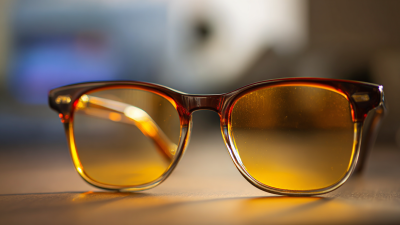
The remarkable feature of Photochromic Gray lenses is their ability to adjust tint based on UV exposure. When stepping outside, these lenses darken, providing excellent glare reduction. This adaptability can enhance comfort for those who frequently transition between light settings. Yet, some may find that the transition speed can be less than perfect, requiring time for adjustment.
Moreover, not everyone may appreciate the aesthetic appeal of gray lenses compared to other tints. Preferences vary, and personal taste plays a crucial role. However, the practical benefits of Photochromic Gray lenses often outweigh such concerns. For those seeking reliable eye protection and stylish functionality, these lenses are a solid choice.

Understanding Photochromic Lenses and Their Mechanism of Action
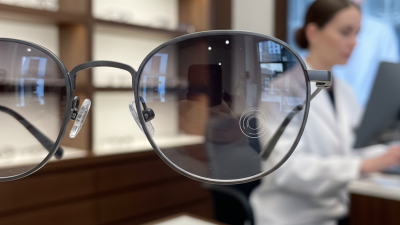
Photochromic lenses are a remarkable innovation in eyewear technology. These lenses automatically adjust their tint based on light exposure. When you step outside, they darken to provide shade and reduce glare. This feature is particularly beneficial for individuals who move frequently between indoor and outdoor settings.
The mechanism behind photochromic lenses involves a chemical reaction triggered by UV light. The lenses contain molecules that change shape in sunlight, creating a darker tint. When you return indoors, these molecules revert to their original state, allowing the lenses to clear up. This technology provides convenience and comfort. However, the response time can be slower in colder temperatures. Some may find the gradual transition a bit annoying.
Photochromic gray lenses not only enhance contrast but also protect your eyes. They filter harmful blue light, reducing eye strain. However, it’s important to choose lenses that suit your activities and lifestyle. Not all lenses perform equally in varying temperatures and lighting conditions. Reflecting on your needs can lead you to the best option for eye health.
Discover the Benefits of Photochromic Gray Lenses for Your Needs
| Feature |
Description |
Benefit |
| Photochromic Activation |
Lenses darken in response to UV light. |
Automatically adjust tint, improving comfort in bright light. |
| Clarity |
Provides optimal visual clarity in varying light conditions. |
Enhances viewing experience for activities such as driving. |
| UV Protection |
Blocks 100% of harmful UV rays. |
Reduces risk of eye damage and long-term health issues. |
| Visual Comfort |
Minimizes glare and enhances contrast. |
Improves comfort during prolonged outdoor activities. |
| Versatility |
Suitable for indoor and outdoor use. |
Eliminates the need for multiple pairs of glasses. |
Key Benefits of Photochromic Gray Lenses for Eye Health and Comfort
Photochromic gray lenses offer remarkable benefits for eye health and comfort. These lenses adapt to changing light conditions, providing optimal protection against harmful UV rays. This feature can reduce glare and improve visual comfort, especially in bright environments. When outdoors, they darken quickly, offering clear vision without the need for separate sunglasses. This adaptability helps protect your eyes and enhances overall visual clarity.
Moreover, gray lenses typically offer true color perception. This characteristic can be important for activities requiring precise visual accuracy. Whether driving, hiking, or engaging in sports, having the right tint can make a significant difference. However, individual experiences with photochromic lenses can vary. Some users report that lenses take longer to react in colder temperatures. Others find that indoor performance may not meet their expectations.
Despite these minor drawbacks, the overall benefits are compelling. Comfortable vision, along with UV protection, makes photochromic gray lenses a valuable choice for daily wear. Eye health should always remain a priority. Making informed choices can lead to better comfort and protection over time.
Comparative Analysis: Photochromic Gray Lenses vs. Traditional Sunglasses
Photochromic gray lenses offer a unique advantage over traditional sunglasses. These innovative lenses adjust tint in response to UV light. This means they darken outdoors and lighten indoors, providing optimal vision in various environments. Unlike regular sunglasses, which maintain a constant shade, photochromic lenses adapt dynamically. They enhance clarity and reduce glare, making them ideal for varying light conditions.
Traditional sunglasses can block eye strain but offer fewer benefits. They provide fixed protection without adapting to changing light. Users may find themselves switching between multiple pairs for different settings. Photochromic lenses eliminate this hassle. They are convenient for commuters, outdoor enthusiasts, and anyone who values eye comfort.
While photochromic lenses have clear advantages, they may not suit everyone. Some users report a delay in tinting. This lag can be frustrating for those needing immediate eye protection. Additionally, some find them less effective in extremely hot conditions, as they may not darken as quickly. Balancing personal needs with lens performance is essential when making a choice. Overall, understanding the differences helps users select the best option for their lifestyle.
Market Trends: Usage Statistics of Photochromic Lenses in Different Demographics
Photochromic lenses are gaining popularity across various demographics. Recent usage statistics reveal that younger people, especially those aged 18-34, are leading the way. They often appreciate the versatility these lenses offer, transitioning seamlessly from indoor to outdoor conditions. In contrast, older individuals typically value these lenses for their ease and comfort. They don’t want to switch glasses frequently.
The market trends show a rise in awareness about UV protection and eye health. This trend aligns with increased screen time among all age groups. The frequent movement between environments makes photochromic lenses appealing. However, interestingly, some users report dissatisfaction with the speed of transition. While many enjoy the quick response, others wish it were faster. It’s clear that user preferences vary, highlighting the need for further development in this area.
Data indicates that prescriptions for photochromic lenses are notably higher in urban areas. Urban dwellers face bright lights and varying weather conditions. Yet, rural users may find less need for these adaptive lenses. Despite growing popularity, challenges remain in satisfying everyone’s needs. This discrepancy underlines the complexity of consumer preferences. The demand for customization is clear.
Professional Recommendations for Selecting Photochromic Lenses for Specific Needs
When selecting photochromic gray lenses, consider your specific lifestyle needs. Research from the Vision Council reveals that nearly 80% of people spend more than two hours a day outdoors. This exposure demands a lens that adapts well to diverse lighting conditions. Photochromic gray lenses darken in bright sunlight, reducing glare and enhancing visual comfort. This feature is particularly valuable for outdoor enthusiasts, such as cyclists and hikers, who require clear vision across various environments.
Another consideration is lens performance. The American Academy of Ophthalmology states that lenses should block 100% of UV rays. Quality photochromic lenses also offer consistent tinting, providing balanced color perception. For example, those involved in sports may prefer lenses that transition quickly from light to dark. It’s crucial to reflect on your usage patterns. If you frequently shift between indoor and outdoor settings, look for lenses with a fast reaction time. Not all photochromic lenses offer the same benefits, so research and professional guidance can help make the best choice.