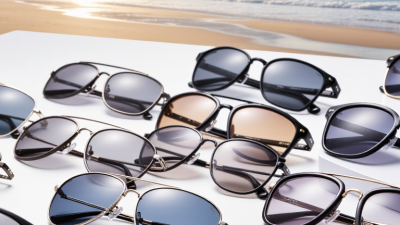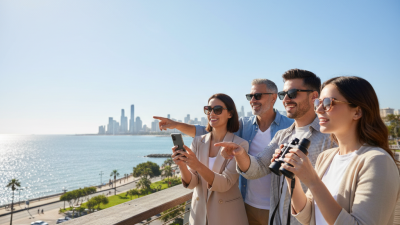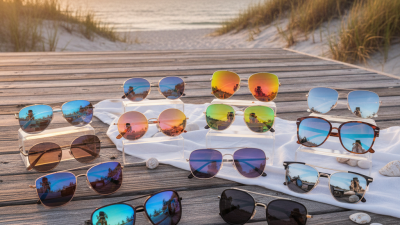
Non Polarized Sunglasses are often misunderstood. They are not automatically inferior; they simply use tinted lenses without a polarizing filter. Their primary function is reducing visible brightness while blocking ultraviolet radiation. Many models use gray, brown, or green tints, creating a darker view similar to lowering a room’s lights. A clear distinction matters. Non-polarized lenses reduce light intensity, but they do not selectively remove reflected glare from roads, water, or glass.
The World Health Organization estimates that at least 2.2 billion people globally live with near or distance vision impairment. Its World Report on Vision also identifies ultraviolet exposure as one factor affecting eye health. This supports careful eyewear selection, although sunglasses cannot replace regular eye examinations. The Vision Council’s consumer research consistently shows that UV protection influences eyewear purchases. However, broad industry reports usually group polarized and non-polarized products together. They rarely measure this category separately. That limitation deserves attention.
Quality depends on more than darkness. A reputable product should state 99–100% UVA and UVB protection, preferably through a verified product specification or recognized testing standard. Very dark lenses without UV protection can create a misleading sense of safety. Pupils may widen behind dark lenses, allowing more unfiltered radiation to enter. That sounds alarming, but the practical lesson is simple: check the label, not just the color. Non Polarized Sunglasses can work well for everyday commuting, shopping, and cloudy outdoor conditions. They may be less comfortable beside bright water or polished car surfaces. The right choice depends on the environment, lens quality, and the wearer’s visual needs.
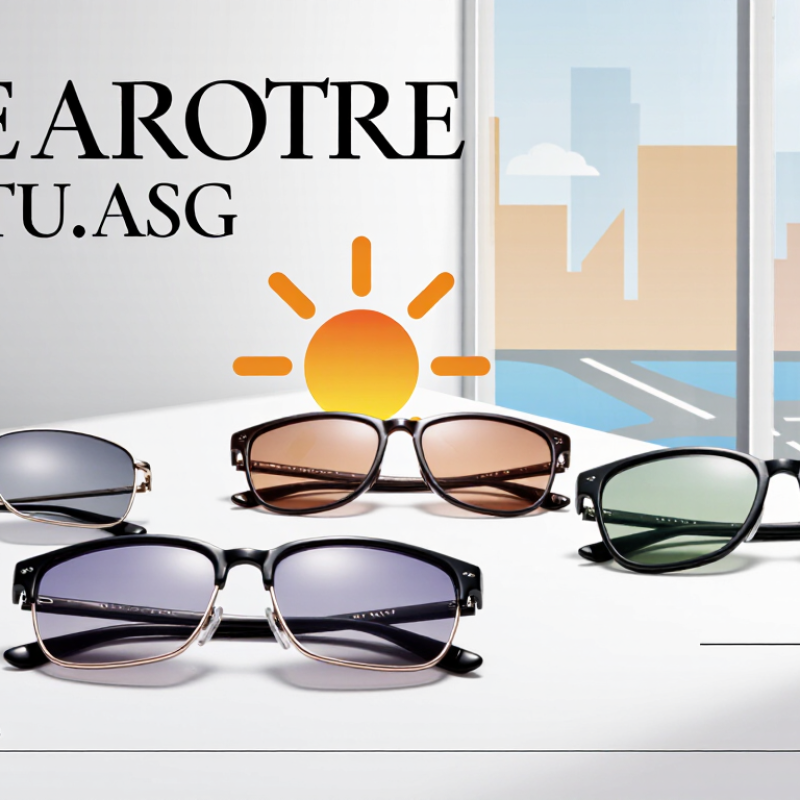
Non-polarized sunglasses use tinted lenses to reduce the amount of visible light entering the eyes. They do not filter light according to its direction of vibration. This differs from polarized lenses, which selectively reduce certain reflected light waves. Gray, brown, and amber tints can change brightness and color perception. However, lens color does not automatically confirm ultraviolet protection. Reliable products should clearly state their UV protection level. Darkness alone is not proof of safety.
The basic optical function is straightforward. A non-polarized lens absorbs or reflects part of the incoming light, making bright surroundings more comfortable. On a sunny pavement, the lens may reduce general brightness. It will not specifically remove the sharp glare reflected from the surface. That glare can still appear as white patches or distracting streaks. The scene may look darker, but not necessarily clearer.
In daily use, these sunglasses can work well for driving, walking, and casual outdoor activities. Their performance depends on fit, lens quality, and accurate UV filtering. A common mistake is judging protection by how dark the lenses look. That assumption needs correction. Very dark lenses without proper UV protection may leave the eyes exposed to harmful ultraviolet radiation while reducing natural brightness. An eye-care professional can help verify lens specifications when the labeling seems unclear.
Non-polarized sunglasses use evenly tinted lenses to reduce the amount of visible light entering your eyes. They lower brightness, but they do not specifically cancel reflected glare. That distinction matters near water, glass, or pale pavement. Their key safety feature can be UV400 protection. UV400 means the lens is designed to filter ultraviolet wavelengths up to 400 nanometers. This range includes UVA and UVB radiation that reaches exposed eyes. Ultraviolet light is invisible, so comfort alone cannot prove protection.
In practical use, a quality UV400 lens should reduce ultraviolet exposure without making objects look unusually distorted. Look for clear wording such as “UV400” or “100% UV protection” on reliable product information. Independent laboratory testing offers stronger evidence than lens color or price. An eye-care professional can also check whether the lenses meet stated protection levels. Fit matters too. Lenses should sit close enough to limit light entering from the sides, while remaining comfortable during walking or driving.
It is easy to mistake a dark tint for stronger protection, yet tint and ultraviolet filtering are separate features.
Non-polarized lenses may work well for everyday outdoor wear, especially when glare reduction is not the main concern.
Still, wet roads and windows can remain intensely bright. Scratches, poor fit, and vague labeling deserve attention. Replacing damaged eyewear is practical, not merely cosmetic. The science is simple, but the label deserves scrutiny.
Non-polarized sunglasses use tinted lenses to reduce the overall amount of visible light entering your eyes. The tint works like a dimmer switch, making bright streets, beaches, and open water feel more comfortable. However, it does not selectively block polarized glare. Reflections from a wet road may still appear as sharp white streaks.
In practical testing, the difference becomes obvious near noon. A gray tint can make the scene darker, while glare continues to shimmer across car windows. Brown or amber tints may improve contrast, but they still do not remove reflected glare. Polarized lenses work differently by filtering specific light waves, especially those bouncing horizontally from flat surfaces. Non-polarized lenses simply reduce brightness across the view.
Tint darkness is not proof of UV protection. A lens can look almost black and still need verified ultraviolet filtering. Check the product specifications, not just the appearance. I once assumed darker lenses would feel safer, but they only made my pupils open wider in bright conditions. That was an imperfect judgment. Tint color can also change how traffic signals, shadows, and surface details appear, so comfort should not replace clear vision. For everyday walking, driving, or casual outdoor use, non-polarized sunglasses may be adequate when brightness is the main problem. For water, snow, or wet pavement, the remaining glare can become tiring and distracting.
| Data Dimension | Non-Polarized Tinted Sunglasses | How It Works | Practical Effect |
|---|---|---|---|
| Primary purpose | Reduce the overall amount of visible light entering the eyes. | A tint absorbs or attenuates selected portions of the visible spectrum. | The scene appears darker and may feel more comfortable in bright conditions. |
| Polarized-glare control | No dedicated polarization filter. | The lens reduces light intensity but does not selectively block predominantly horizontal polarized reflections. | Reflections from water, wet roads, snow, and glass can remain visible, although they may look darker. |
| Typical visible-light transmission | Common sunglass lenses transmit approximately 8%–43% of visible light, depending on lens category and tint density. | Darker tints transmit less visible light; the exact value depends on the lens design and applicable safety standard. | Lower transmission generally produces a darker view, but it does not automatically provide better glare control. |
| UV protection | May provide effective UVA and UVB protection when manufactured and labeled for ultraviolet protection. | UV protection comes from the lens material or a UV-blocking coating, not from the visible tint itself. | A dark lens without adequate UV protection can reduce brightness while still allowing harmful ultraviolet exposure. |
| Color options | Available in gray, brown, green, yellow, rose, and other tint colors. | Different dyes absorb different wavelengths and can alter color balance and contrast. | Gray usually preserves color appearance more evenly; brown may increase perceived contrast; colored tints can change visual color recognition. |
| Reflections from flat surfaces | Reflections are generally reduced only in proportion to the lens's overall light reduction. | The tint dims both direct light and reflected light without filtering reflection by polarization direction. | Bright reflected patches may still cause discomfort, squinting, or reduced visual clarity. |
| Electronic displays | Usually compatible with LCD, LED, and instrument displays. | A conventional tint lowers brightness without using a directional polarization filter. | Displays are less likely to become dark or difficult to read because of lens polarization, though tint darkness can still reduce readability. |
| Traffic-signal visibility | Generally preserves the relative color differences of signals when the tint is neutral and suitable for driving. | The lens reduces light across the visible spectrum, but colored tints can selectively affect perceived colors. | Very dark or strongly colored lenses may be unsuitable for driving, especially in low-light conditions. |
| Best-suited conditions | General outdoor brightness, casual use, overcast daylight, and situations where polarization is not required. | The tint lowers overall luminance without targeting a specific glare orientation. | Useful for brightness comfort, but less effective for intense reflected glare than polarized lenses. |
| Main limitation | Does not specifically remove polarized glare. | Light attenuation is broad rather than direction-selective. | The view may be darker without becoming equally clearer in situations dominated by reflected glare. |
| Key selection check | Confirm UV protection, appropriate visible-light transmission, optical quality, and intended-use suitability. | Tint darkness and UV performance are separate characteristics. | Do not judge UV safety or glare performance by lens color alone. |
Non-polarized sunglasses use tinted lenses to reduce visible light evenly.
They do not selectively block horizontal glare. Their performance is measured through visible-light transmission, or VLT. ISO 12312-1:2022 defines five lens categories:
Category 0 transmits 80–100% of light
Category 1 transmits 43–80%
Category 2 transmits 18–43%
Category 3 transmits 8–18%
Category 4 transmits 3–8%
Lower VLT means a darker lens. Very dark.
In practical terms, Category 0 suits overcast conditions, while Categories 1 and 2 work for mild outdoor brightness. Category 3 is intended for strong sunlight, such as beaches, open roads, or high-altitude environments. Category 4 is for extreme brightness and is unsuitable for driving under ISO guidance.
The International Commission on Illumination also distinguishes photometric transmission from glare control, which explains why a dark non-polarized lens may still leave reflected glare visible. ISO testing evaluates optical performance and ultraviolet protection, not just appearance.
A common mistake is treating darkness as complete eye protection. It is not. VLT describes brightness, while ultraviolet filtering and optical quality require separate checks.
The Vision Council’s consumer research repeatedly shows that comfort and appearance influence eyewear purchases, yet those preferences cannot confirm technical compliance. Labels can be confusing.
A reliable inspection should check the stated category, UV protection, distortion, and intended use. Even then, real comfort varies with clouds, reflections, and personal sensitivity. That limitation deserves more attention.
What Are Non-Polarized Sunglasses and How Do They Work?
Non-polarized sunglasses use evenly tinted lenses to reduce the amount of light entering your eyes. They lower brightness, but they do not selectively block reflected glare. That difference matters near water, roads, and glass buildings. Polarized lenses control glare more effectively by filtering much of the intense, horizontal light reflected from flat surfaces. In my experience, this can make wet pavement and windshields more comfortable to view. Still, polarization is not automatically better.
The main trade-off involves contrast and digital displays. Polarized lenses may improve outdoor contrast by reducing bright reflections, helping details stand out on a sunny trail. However, they can also darken or distort some LCD screens, especially when the lens and display are held at certain angles. Non-polarized lenses usually offer more consistent screen visibility, which helps drivers checking dashboards or outdoor workers using handheld devices. The choice is not perfectly simple. Lighting, screen type, and viewing angle all matter.
Tips: Test sunglasses with your phone before buying them. Rotate the lenses slowly in front of the screen. If the display becomes unusually dark, polarization may affect daily use. For driving, check the dashboard through the lenses. Also inspect lens clarity, tint evenness, and fit. A darker lens is not necessarily safer or more protective.