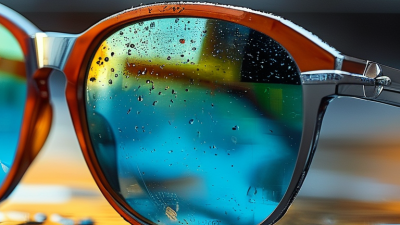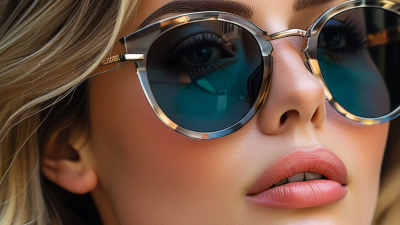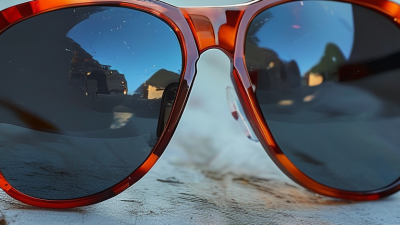
Choosing Silver Lens Sunglasses for your business involves more than selecting a striking color. Retailers, distributors, and private-label brands must consider appearance, comfort, durability, and the needs of their customers. Silver lenses can create a crisp, modern look, but their finish may appear different under store lighting or in outdoor settings.
Start by defining where and how customers will wear the sunglasses. Compare lens tint, frame weight, fit, and the consistency of the silver finish across samples. Ask suppliers for clear product specifications, care guidance, and information about quality checks. Then inspect physical samples in natural light. Look closely at the lens surface, hinges, nose pads, and packaging. Small details count. They can affect customer satisfaction and returns.
A sample is useful, but it cannot answer every question. I would not assume that a polished appearance guarantees reliable performance; that is an easy mistake to make. Check whether the product suits your price range, sales channel, and brand identity, and compare supplier communication before placing a large order. This guide explores practical questions that can help businesses assess Silver Lens Sunglasses with greater confidence. It also leaves room for judgment: customer preferences vary, and even careful testing may not predict every response.
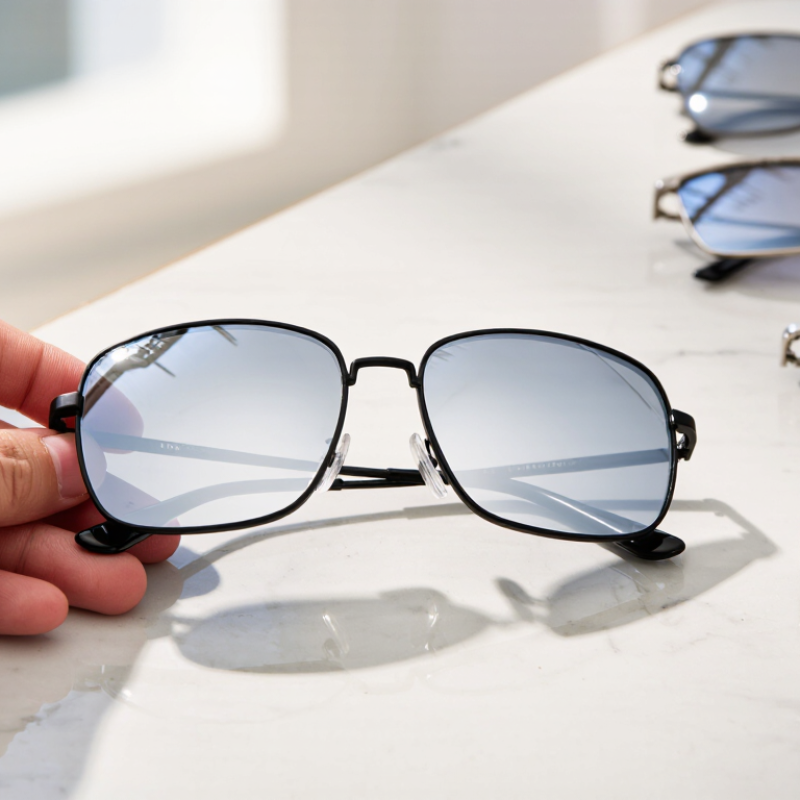
Before comparing silver lens sunglasses, define who will use them and where they will wear them. A shop serving beach visitors may need lightweight frames and glare-reducing lenses for bright afternoons. A company ordering staff eyewear may care more about consistent fit, easy cleaning, and reliable replacement stock. Start with the actual use case, not the color alone.
List the conditions your customers face. Note typical sunlight, time outdoors, and whether sunglasses must work during driving or customer-facing events. Silver mirror coatings can reduce visible brightness, but they do not automatically guarantee suitable UV protection. Check product specifications and request documentation from suppliers. Ask how lens performance is tested. Small details matter.
Set a realistic budget and order a few samples before committing. Wear them outside, then inspect reflections, nose-pad comfort, and how clearly nearby signs appear. Try them on different face shapes. A frame that feels fine for five minutes may pinch after an hour. I would not assume one style suits everyone; that assumption is easy to make and harder to fix. Record feedback from staff or customers, including complaints that seem minor, such as fingerprints showing quickly. These notes can help define quantities, lens options, and fit requirements before you request a larger quotation.
Use these illustrative planning scores (1 = lower priority, 5 = higher priority) to compare product requirements. Confirm UV protection through product testing and documentation; a silver-colored lens alone does not guarantee UV protection.
Silver lenses can look similar on a display, yet their optical behavior depends on more than the silver finish. A mirror coating reflects some incoming light and can reduce brightness. The lens’s base tint determines much of its color balance and visible light transmission. Gray tints generally preserve color appearance, while brown tints can increase contrast in some conditions. Check samples outdoors, not only under showroom lights.
Polarization is a separate feature. A silver mirror lens is not automatically polarized. Polarized lenses can reduce reflected glare from roads or water, but may affect how some digital screens appear. UV protection is separate, too; request clear product specifications rather than relying on lens color. Small details matter. Compare optical clarity, coating uniformity, and scratch resistance across several samples. A faint ripple near the edge may be easy to miss indoors.
For business orders, match lens features to the customer’s likely use and price range. Ask suppliers for consistent tint and coating measurements across production batches. Confirm how each option performs in bright daylight and changing conditions. I would avoid promising that one lens suits everyone. That assumption is convenient, but not very useful. Start with a few tested combinations, then gather feedback on comfort, glare, and screen visibility before expanding the range.
Silver lens sunglasses can look sleek, sporty, or fashion-forward, depending on their frame. Know your buyer. A boutique serving office commuters may favor slim metal frames and neutral shapes. A surf or outdoor shop might choose wraparound designs, sturdy hinges, and lightweight materials. Let customer habits guide the assortment, not just current trend photos.
Consider how the frames sit on different faces. Wider temples can feel secure, but may press near the ears; narrow bridges can slip during daily wear. Offer a few sizes and shapes, then ask customers about comfort after trying them on. Small details matter. Silver lenses can create a striking mirror effect, yet some shoppers prefer a subtler finish for everyday use. Check lens specifications separately, and do not treat color or reflectivity as proof of UV protection.
For a business order, request samples before committing to large quantities. View them under indoor lights and outdoors, since silver coatings can look different in each setting. Compare frame weight, hinge movement, lens clarity, and packaging. Test before scaling. Sales data may reveal that your favorite design is not your customers’ favorite; that is useful, if a little humbling. Adjust the next order by age range, fit feedback, and the styles customers actually choose.
| Target Market | Frame Shape and Material | Silver Lens Design | Best-Matched Use | Fit and Comfort Priorities | Assortment Recommendation |
|---|---|---|---|---|---|
| Everyday urban shoppers | Classic square or rounded-square frames; lightweight acetate or metal options | Neutral silver mirror finish with a gray or brown tint for a versatile appearance | Daily wear, commuting, and general outdoor use | Comfortable nose contact, secure temples, and a size that does not obstruct peripheral vision | Offer understated frame colors and both standard and wider fit options |
| Fashion-focused shoppers | Geometric, oversized, or slim metal frames; include varied frame finishes | Reflective silver mirror lenses paired with clean, high-contrast frame details | Fashion styling and bright outdoor settings | Balance larger lens coverage with manageable weight and stable temple fit | Use distinctive silhouettes in a limited color range so the silver lens remains the focal point |
| Outdoor and travel shoppers | Wraparound or close-fitting sport-inspired frames; lightweight, durable materials | Silver mirror lenses with a suitable tint for the intended light conditions | Hiking, sightseeing, and other bright outdoor activities | Prioritize secure fit, broad coverage, and reduced gaps around the sides | Clearly state intended use and lens category; consider offering multiple fit sizes |
| Driving and road-trip shoppers | Medium-profile frames that sit securely without interfering with head movement | Silver mirror finish over a gray or brown lens tint; offer a non-polarized option where suitable | Daytime driving, subject to local rules and lens specifications | Check that the frame does not obstruct the driver's field of view | Do not position very dark lenses as suitable for night driving; provide clear use guidance |
| Active-sport shoppers | Lightweight, secure-fitting wraparound frames with flexible or impact-resistant components | Silver mirror coating matched to the sport and expected brightness | Outdoor exercise and sport-specific use | Prioritize grip, stability during movement, coverage, and compatibility with helmets where relevant | Separate sport-oriented designs from casual styles and specify care and use limitations |
| Value-conscious shoppers | Timeless rectangular, square, or round frames with straightforward construction | Simple silver mirror finish with clearly stated lens and UV-protection specifications | General everyday outdoor wear | Focus on dependable fit, smooth edges, and comfortable weight | Keep the range focused on versatile shapes and make product specifications easy to compare |
Product-check note: A silver mirror coating describes the lens appearance; it does not by itself confirm UV protection or polarization. Verify UV protection through product documentation or testing, and state the lens category and intended use accurately. Category 4 sunglasses are not suitable for driving.
When choosing silver lens sunglasses for resale, inspect more than the mirror finish. Ask suppliers for current test reports that identify the lens material and measured UV protection. Check which safety standards apply in your intended market, and confirm that the reports cover the exact model you plan to order. Ask for proof. A document for a similar frame may not verify your product. Review a physical sample under daylight and indoor lighting. Look for uneven tint, coating marks, loose hinges, and sharp edges. Small marks matter. Record what you find, so sample approval can be compared with production units.
Supplier quality also depends on repeatable checks. Ask how defects are recorded, how cartons are inspected, and what happens when a batch fails. A polished sample does not guarantee every carton will match. I still find this easy to overlook. Compare costs beyond the unit price: include packaging, freight, inspection, replacement terms, and likely defect rates. Cheap can be costly. Request a written quotation with quantities, lead times, and payment terms clearly stated. If a supplier cannot explain test results or production checks in plain language, pause before committing. A slightly higher quote may make sense when documentation, consistent finishes, and responsive after-sales support reduce uncertainty.
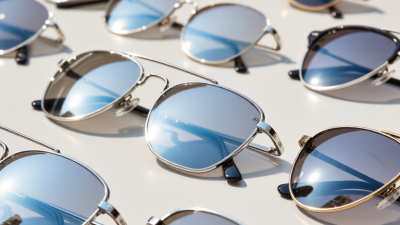
Silver lenses can look cool, polished, or surprisingly reflective in bright light. Product photos rarely show how they perform outdoors. Before ordering in quantity, request samples in the frame styles and lens finishes you plan to sell. Check each pair in direct sunlight, shade, and indoor lighting. Notice whether nearby objects reflect clearly and whether the wearer’s eyes remain comfortable. Small differences matter.
Compare samples side by side. Look for consistent lens color, even coatings, smooth frame edges, and secure hinges. Wear each pair for a short walk, then check for pressure at the nose and temples. Ask suppliers for available lens specifications and care guidance, and confirm that sample details match the proposed order. Record your observations. A quick phone photo can help, though it may distort the lens color. I have found that one sample is not always enough; finishes can vary between batches.
Tips: Keep a simple comparison sheet. Note finish, comfort, packaging, and sample cost. Ask for a replacement sample if a lens arrives scratched or differs from the agreed finish. Check the final sample again before approving production. It takes time. It can prevent avoidable surprises.