Leave Your Message

What Is the Best Type of Silver Lens Sunglasses?

Choosing the best type of Silver Lens Sunglasses is not simply a matter of selecting the brightest mirror finish. The right pair should balance visual comfort, optical clarity, durability, and personal style. Silver lenses can reflect intense light from water, roads, and glass buildings. However, their appearance does not automatically prove full ultraviolet protection. Always check the product label for 100% UVA and UVB protection.

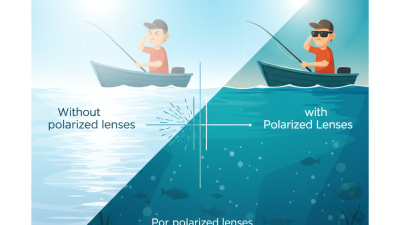
Optometrist and eyewear specialist Dr. Justin Bazan has said, “Sunglasses are not just a fashion accessory; they are a necessity for protecting your eyes.” That principle matters when comparing lens materials, coatings, and frame shapes. A polarized silver lens may reduce reflected glare during driving, fishing, or beach travel. A standard tinted lens may suit casual city wear but offer less glare control. The difference can feel obvious beside a bright window or wet pavement.

Fit matters, too. A well-designed frame should sit securely without pressing the nose or sliding during movement. Wraparound styles can limit side glare, while larger lenses may improve coverage. Small details matter.

There is no universal winner. I once assumed the darkest lens would feel most comfortable, but darkness alone can make indoor transitions awkward. Personal vision needs, climate, and daily activity should guide the decision. This guide examines these differences carefully, including the compromises that glossy product photos often hide.

What Is the Best Type of Silver Lens Sunglasses?

Silver Lens Sunglasses: Definition and Key Features

What Is the Best Type of Silver Lens Sunglasses?

Silver lens sunglasses use a reflective metallic coating over a tinted lens. The coating bounces part of incoming light away from the eye. This creates a bright, mirror-like appearance and can reduce glare in intense outdoor conditions. The base tint still matters. Gray offers more natural color perception, while darker tints can feel more comfortable on bright beaches or open roads.

Looks can mislead. A silver mirror does not automatically provide UV protection. The U.S. Food and Drug Administration recommends lenses blocking 99–100% of UVA and UVB radiation. Check the product specifications, not only the reflective finish.

The World Health Organization estimates that at least 2.2 billion people have near or distance vision impairment, making practical eye protection especially relevant. Polarization is another feature, not a synonym for mirroring. It can reduce reflected glare from water, glass, and pavement, but it may affect screen readability.

The best type depends on exposure, fit, and lens quality. Grand View Research valued the global sunglasses market at approximately $20.72 billion in 2023, reflecting strong demand for both protection and appearance. Still, fashion can distract from performance. A reliable pair should sit close without touching the cheeks, cover the side of the eyes, and remain stable during movement. I would not choose silver lenses solely for their dramatic finish. Their visual effect is useful, but the coating may scratch, and poorly specified lenses can leave buyers with confidence instead of protection.

How Silver Lenses Work in Different Lighting Conditions

What Is the Best Type of Silver Lens Sunglasses?

Silver lens sunglasses are known for their reflective outer coating. They reduce glare by bouncing away part of the incoming light. However, the lens base color still affects what your eyes receive. A gray base usually keeps colors natural, while a brown base can increase contrast. Silver alone does not determine performance.

In strong sunlight, silver lenses can feel comfortable on beaches, roads, and snowy trails. They reduce the sharp brightness reflected from water, glass, and pale surfaces. Polarization can improve this effect, but silver coating and polarization are different features. Check both before buying. I once assumed every mirrored lens offered equal glare control. That assumption was too simple.

Cloudy weather is more complicated. Dark silver lenses may make an already dim scene feel flat. A lighter lens with moderate visible light transmission can work better under changing clouds. Indoors, at dusk, or while driving at night, sunglasses should generally be removed. Silver coating does not replace tested ultraviolet protection. Look for clear UV protection information from a reliable seller. Fit matters too: a close frame limits stray light around the edges. Still, comfort is personal. Some lenses look impressive but feel tiring after an hour. A short outdoor trial can reveal more than a mirror-like finish.

Comparing Silver Lens Types for UV Protection and Visual Comfort

What Is the Best Type of Silver Lens Sunglasses?

Silver lenses look similar, but their protection can differ greatly. A silver mirror coating mainly reflects visible light. It does not automatically block ultraviolet radiation. The lens material and UV filter matter more than its metallic appearance. The World Health Organization estimates that UV exposure may contribute to up to 20% of cataract cases. Therefore, choose lenses labeled 99–100% UVA and UVB protection.

Polarized silver lenses usually provide the strongest visual comfort near water, roads, and glass buildings. They reduce reflected glare, which can ease squinting and improve contrast. However, polarization does not replace UV protection. Non-polarized silver lenses can work well in changing light, especially when glare is moderate. Gradient silver lenses offer darker upper sections and clearer lower sections. They may feel comfortable for walking, but their lower area gives less sunlight control.

Fit matters more than shoppers expect. A close, slightly curved frame limits light entering from the sides. The ISO 12312-1 standard specifies performance requirements for general-purpose sunglasses, including optical quality and solar filtering. Still, certification details can be difficult to read. A darker lens may feel better while offering poor protection. That is an uncomfortable possibility. Check the UV label, inspect the lens for distortion, and test comfort after several minutes outdoors. Personally, I would choose polarized silver lenses for intense glare, but not assume they are best in every setting.

What Is the Best Type of Silver Lens Sunglasses?

Comparing common silver lens types by typical visible light transmission, glare reduction, and UV protection. Values represent category-level optical characteristics; actual performance depends on lens construction and certification.

Key takeaway: Silver polarization generally provides the strongest glare reduction and visual comfort in bright outdoor environments. Silver mirror lenses can reduce visible brightness, while gradient silver lenses are more comfortable when alternating between sunlight and shade. Photochromic silver lenses offer adaptable light transmission but may provide less consistent glare control. UV protection should always be confirmed through product certification because a silver appearance alone does not guarantee UV blocking.

Choosing Frames, Coatings, and Lens Tints for Your Needs

What Is the Best Type of Silver Lens Sunglasses?

Choosing frames, coatings, and lens tints depends on where and how you wear sunglasses. Silver mirror is a reflective coating, not a complete lens tint. It can reduce visible glare, especially beside water, snow, or bright roads. However, mirror appearance does not prove ultraviolet protection. Look for lenses labeled 100% UVA and UVB protection, supported by recognized testing standards such as ISO 12312-1.

The Vision Council’s 2023 Consumer Insights Report found that about 80% of American adults wear sunglasses occasionally or regularly. That makes fit and protection practical health choices, not only style decisions.

For everyday driving, gray or gray-green lenses usually preserve natural color and reduce brightness comfortably. Polarized lenses can cut reflected glare, but they may make some digital displays harder to read.

A silver mirror over a gray base offers a strong, neutral appearance.

Brown tints can improve contrast during variable light, though they may alter colors more noticeably. Consider a gradient tint for driving, with darker coverage above and lighter vision below.

It is useful, but not perfect.

Frames should sit securely without pressing your temples. Larger lenses can reduce stray light around the eyes, while wraparound shapes improve side coverage. Choose impact-resistant materials for active use, and check the hinge movement before buying.

An anti-reflective coating on the inner surface may reduce distracting back reflections. A common mistake is trusting a dark lens too much. Darkness alone offers no verified UV protection.

The World Health Organization reports that at least 2.2 billion people have near or distance vision impairment, so regular eye-care advice still matters when selecting protective eyewear.

Care, Maintenance, and Everyday Use of Silver Lens Sunglasses

What Is the Best Type of Silver Lens Sunglasses?

Silver lenses look striking, but appearance should not decide your purchase. The best pair offers certified 100% UVA and UVB protection, comfortable fit, and reliable optical clarity. A silver mirror coating mainly reflects light. It does not automatically provide ultraviolet protection. The World Health Organization’s World Report on Vision estimates that at least 2.2 billion people live with vision impairment. Preventive habits still matter, especially during long outdoor exposure.

Care, Maintenance, and Everyday Use of Silver Lens Sunglasses

I once cleaned coated lenses with a shirt. That was a mistake. Fabric can hold dust and create fine scratches across the reflective surface. Rinse silver lenses with lukewarm water first. Then use a small amount of lotion-free soap and a clean microfiber cloth. Avoid paper towels, household glass cleaner, hot water, and rough cases. The Vision Council’s 2023 Consumer inSights report indicates that roughly three-quarters of U.S. adults use vision correction. Clear, undamaged lenses therefore deserve practical attention, not just style-focused care.

Tips: Keep sunglasses in a rigid case, not inside a loose bag. Check the hinges and nose pads every few weeks. If the mirror layer begins peeling, replace the lenses. Do not assume polarization equals UV protection; verify the lens label or ask an optical professional. Silver lenses can also reduce perceived brightness, but darker does not always mean safer. I still find fit easy to underestimate. A frame that slips can expose your eyes to side glare and encourage constant adjustment.

What Is the Best Type of Silver Lens Sunglasses? - Care, Maintenance, and Everyday Use of Silver Lens Sunglasses
Data Dimension Lens Type or Practice Typical Technical Information Everyday Use and Care Guidance Overall Suitability
Understanding Silver Mirror Lenses
What the silver appearance means Silver mirror coating A thin reflective coating is applied to the front surface of a tinted lens. The mirror layer reflects part of the incoming visible light and does not, by itself, determine the lens material or complete UV performance. Check the product specification for UV protection separately. A silver appearance alone is not proof of full UVA and UVB protection. Good visual style and glare reduction when properly specified
UV protection UV400 or 100% UVA/UVB protection UV400 labeling generally indicates protection against ultraviolet wavelengths up to approximately 400 nanometers. Choose lenses with clear UV protection information from a reliable seller. Darker lenses without adequate UV protection can still be unsafe in bright conditions. Essential for everyday outdoor wear
Visible light transmission Light, medium, or dark tint Visible light transmission varies by tint and design. The silver mirror coating does not establish one universal darkness level. Medium or dark tints are generally more comfortable in bright outdoor conditions. Select a lighter tint for overcast environments and indoor transitions. Depends on lighting conditions
Glare control Silver mirror with or without polarization Mirroring reduces some incoming light. Polarization is a separate filter that reduces horizontally polarized glare from surfaces such as water, roads, and snow. For driving, fishing, water activities, or snow use, verify whether polarization is included. Polarization may make some digital displays harder to read at certain angles. Best for strong reflected glare when polarized
Lens Material Comparison for Silver-Mirror Sunglasses
Impact resistance Polycarbonate Typical density is about 1.20 g/cm³. It is lightweight and highly impact resistant, but it can show more optical color dispersion than some other materials. Suitable for active everyday use. Clean gently because abrasive particles can scratch the surface or mirror coating. Excellent for sports, commuting, and general outdoor use
Light weight and optical clarity Trivex-type material Typical density is about 1.11 g/cm³. It combines low weight, good impact resistance, and generally better optical clarity than polycarbonate. A strong all-purpose choice when comfort, durability, and clear vision are equally important. Excellent all-around option
Optical clarity and value CR-39-type optical plastic Typical density is about 1.31 g/cm³. It can provide good optical clarity and is usually lighter than glass, but it is less impact resistant than polycarbonate or Trivex-type material. Appropriate for everyday casual use when impact exposure is limited. Use a protective case to reduce scratching. Very good for casual daily wear
Scratch resistance and optical clarity Mineral glass Typical density is about 2.5 g/cm³. Glass is heavier and can break under impact, but it generally offers strong scratch resistance and clear optics. Best for users who prioritize scratch resistance and do not need a lightweight or high-impact lens. Handle carefully and inspect for chips or cracks. Good for low-impact, premium-feel use
Care and Maintenance Data
Daily cleaning method Lukewarm water and mild, lotion-free dish soap Water helps remove loose dust and grit before wiping. Mild soap helps dissolve skin oils and sunscreen residue. Rinse first, apply a small amount of mild soap, rinse again, and dry with a clean lens-safe microfiber cloth. Recommended routine
Dry wiping Clean microfiber cloth A clean microfiber cloth is less likely to drag abrasive particles across the lens than rough fabric or paper products. Wash the cloth regularly without fabric softener. Do not use a cloth that contains dust, sand, or grit. Safe for regular maintenance
Materials to avoid Paper towels, tissues, clothing, abrasive cleaners, and household solvents These materials may leave fibers, create fine scratches, or damage lens coatings and mirror finishes. Avoid ammonia, acetone, bleach, window cleaner, and rough paper products unless the lens manufacturer specifically approves them. Avoid completely
Heat exposure High-temperature environments Prolonged heat can affect lens coatings, frame shape, and adhesive components. Do not leave sunglasses on a car dashboard, near a heater, or inside a hot vehicle for extended periods. Important preventive measure
Storage Rigid protective case A case reduces contact with keys, coins, grit, and other objects that can scratch lenses or damage the mirror surface. Store the sunglasses with the lenses facing upward when a case is unavailable. Keep them away from sharp objects. Best protection between uses
Inspection frequency Visual inspection before outdoor use Scratches, cracks, loose hinges, or peeling mirror coating can reduce comfort and visual quality. Replace lenses or sunglasses when damage affects vision, creates sharp edges, or causes significant coating loss. Recommended before demanding activities
Best Choice by Everyday Situation
General daily outdoor use Silver mirror on a Trivex-type or polycarbonate lens Combines UV protection, low weight, and useful impact resistance. Choose a comfortable frame, clear UV400 or equivalent labeling, and a tint suitable for the expected brightness. Best overall balance
Driving and road glare Silver mirror with verified polarization Polarization can reduce glare from roads and vehicles, while the mirror coating can reduce overall brightness. Confirm that the tint is legal and suitable for driving in the intended location. Keep a non-polarized backup if digital display visibility is important. Very good for daytime driving
Water and snow activities Polarized silver mirror with impact-resistant material Reflective surfaces can produce intense glare. Impact-resistant materials provide an additional safety advantage during active use. Use a secure fit, rinse away salt or grit after use, and dry the lenses before storing them. Best for bright, reflective environments
Indoor or low-light transitions Light silver mirror or photochromic design Dark lenses can reduce visibility in dim conditions. Photochromic lenses change darkness according to light exposure, although performance varies by design and temperature. Do not use dark sunglasses indoors or at night unless they are specifically designed and approved for that purpose. Suitable when frequent transitions are expected
Final selection criteria UV protection + suitable tint + lens material + fit + coating quality No single silver lens is best for every user. The mirror color is mainly an appearance and light-management feature; material, UV protection, polarization, and fit determine practical performance. For most everyday users, a silver-mirror lens made from a lightweight impact-resistant material with verified UV protection is the most balanced choice. Best general recommendation