Leave Your Message

10 Tips for Choosing Polarized Fishing Sunglasses

Choosing the right Polarized Fishing Sunglasses can change a long day on the water. They reduce reflected glare from waves, helping anglers see structure, movement, and shallow hazards more clearly. However, polarization is not a magic solution. Lens quality, fit, color, durability, and eye protection still matter.

An experienced angler notices small differences after several hours outside. Poor glasses may slide down a sweaty nose, create pressure behind the ears, or leave side glare exposed. Good glasses should feel stable while casting, bending, or checking a fish near the boat. They should also provide reliable ultraviolet protection, which independent optical guidance consistently recommends for extended outdoor exposure.

This guide presents ten practical tips for choosing Polarized Fishing Sunglasses. It considers lens colors, frame materials, wraparound coverage, comfort, and visibility in changing weather. Gray lenses may suit bright offshore conditions, while amber lenses can improve contrast under cloudier skies. These preferences are not universal. Water color, light intensity, and personal vision all influence the best choice.

Small details matter.

A secure hinge can outlast a fashionable finish. A floating frame may prevent an expensive loss, but it cannot replace a leash in rough water. Even trusted brands can produce a model that feels wrong after one trip. That is worth remembering. Try the sunglasses with your hat, inspect the nose pads, and check for visual distortion before buying. The most reliable choice balances professional design with your actual fishing habits, not marketing claims alone.

10 Tips for Choosing Polarized Fishing Sunglasses

Define Polarized Lenses and Their Benefits for Fishing

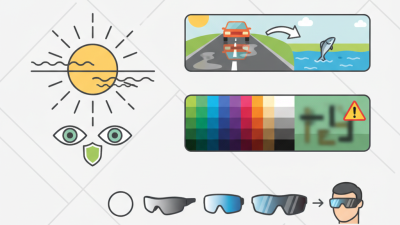
Polarized fishing sunglasses use a special filter to reduce horizontally reflected light. Water, wet rocks, and boat surfaces often reflect this harsh glare. The filter blocks much of it before it reaches your eyes. Regular tinted lenses darken the scene, but they may not control glare as effectively.

On a bright morning, polarized lenses can reveal shallow rocks, weed lines, and moving fish beneath the surface. This clearer view helps anglers read water conditions and place casts more accurately. Reduced glare may also lessen squinting and eye fatigue during long hours outdoors. Still, polarization is not the same as ultraviolet protection. Check that the lenses provide complete UVA and UVB protection.

Fit matters more than many anglers expect. A close-fitting frame limits stray light around the lenses, especially when sunlight comes from the side. Gray lenses usually preserve natural colors, while amber lenses can improve contrast under cloudy conditions. Very dark lenses are not always better. They may make shaded water harder to read.

Scratches can scatter light and weaken visual clarity. Keep the sunglasses in a hard case, not under loose tackle. Polarized lenses can also make some digital screens appear dim or strangely colored. That is inconvenient, but manageable. Test the sunglasses beside your fish finder before buying them. I have found that comfort, stable fit, and clear vision matter more than a fashionable frame. A perfect pair does not exist for every weather condition.

Match Lens Color and Light Transmission to Fishing Conditions

Lens color and light transmission can change how clearly you read water, structure, and fish movement. On bright open water, gray lenses usually preserve natural colors and reduce harsh glare. Choose moderate light transmission for long hours under strong sunlight. Very dark lenses can feel comfortable, but they may hide a lure near shaded banks.

Amber, copper, and brown lenses often improve contrast in cloudy conditions. They can make submerged weeds, rocks, and depth changes easier to notice. I find copper useful around dawn, when the water looks flat and details disappear. However, color alone is not enough. Check the lens’s visible light transmission rating. Lower transmission suits intense sun, while higher transmission works better in overcast light.

Polarization cuts reflected glare from the surface, but it cannot solve every visibility problem. On a windy afternoon, broken reflections may still make the water difficult to read. I once chose an extremely dark lens for a bright trip and struggled when clouds arrived. That choice was uncomfortable. A lighter backup lens would have helped.

Look through the sunglasses before buying them. Check whether the scene appears natural, sharp, and free from distracting color shifts. Your eyes should not work harder to locate a moving float. Reliable lenses should also provide certified ultraviolet protection and resist scratches during ordinary use. Conditions change quickly, so match transmission to the sky, water, and fishing time rather than choosing by lens color alone.

Choose the Right Frame Fit, Coverage, and Comfort

10 Tips for Choosing Polarized Fishing Sunglasses

Choose the Right Frame Fit, Coverage, and Comfort

Tip 1: Check the frame fit before judging the lens. I wear sunglasses for hours, so small pressure points become painful quickly. The frame should sit securely without squeezing your temples. Nose pads should remain stable when you look down, cast, or turn your head. A loose frame can slip when sweat builds up. That happened to me once.

Tip 2: Look for practical coverage. Wider lenses reduce glare entering from the sides, especially on bright water. Wraparound designs can help, but excessive curvature may distort the view. Keep your eyes centered behind the lenses. Try them with your fishing hat, because the brim can change the fit. Leave a small gap for airflow. Otherwise, fogging may interrupt your focus.

Tip 3: Treat comfort as a performance feature, not a luxury. Lightweight frames reduce pressure during long sessions, while flexible temple arms can handle movement better. However, extremely light frames may feel fragile. I sometimes choose durability over weight, then regret it after several hot hours. Test the sunglasses for at least a few minutes before buying. Polarization cuts reflected glare, but it does not automatically guarantee ultraviolet protection. Check the stated UV protection standard and inspect the hinges, nose bridge, and lens edges carefully.

Evaluate Durability, UV Protection, and Water Resistance

Choosing Polarized Fishing Sunglasses

Tip 1: Check UV protection before judging lens color. Polarization reduces surface glare, but it does not automatically block ultraviolet radiation. Choose lenses labeled for 100% UVA and UVB protection, preferably with UV400 coverage. On bright water, this helps reduce long-term eye exposure and keeps vision more comfortable. Darker lenses are not always safer.

Tip 2: Inspect durability in your hands. I look for flexible frames, secure hinges, and lenses that sit firmly without twisting. Fishing involves wet decks, dropped gear, and sudden movement. A frame that feels rigid may still crack in cold weather. My own mistake was trusting appearance; a glossy finish hid a weak hinge. Small details matter.

Tip 3: Test water resistance realistically. Salt spray can corrode hinges and leave a gritty film on lenses. Look for corrosion-resistant hardware and a coating that sheds water without creating distracting droplets. Water resistance is not the same as waterproofing. Rinse the sunglasses with fresh water after fishing, then dry them with a clean microfiber cloth. Never wipe salt crystals across dry lenses.

Tip 4: Consider scratch resistance and lens clarity. Tiny scratches become distracting when sunlight reflects from waves. Ask whether the lenses received abrasion testing, but treat marketing claims carefully. Independent product information is more dependable than vague promises. Fit also affects protection; sunglasses should cover the sides without blocking peripheral vision. They should stay comfortable after several hours, not just during a quick store fitting.

10 Tips for Choosing Polarized Fishing Sunglasses - Evaluate Durability, UV Protection, and Water Resistance

No. Selection Dimension What to Look For Practical Evaluation Method Why It Matters for Fishing
1 Polarization Performance Polarized lenses that reduce reflected glare from flat surfaces such as water. View the water from different angles and compare glare reduction with and without the glasses. Check that the lens remains clear when tilted. Reduced glare can improve comfort and make it easier to see beneath the surface in suitable lighting conditions.
2 UV Protection A clearly stated 100% UVA and UVB protection claim, preferably supported by recognized test documentation. Review the product specification or compliance marking. Do not assume polarization alone provides UV protection. Polarization reduces glare but does not inherently block ultraviolet radiation; reliable UV protection helps protect the eyes during prolonged outdoor exposure.
3 Lens Material and Impact Resistance Polycarbonate or other impact-resistant lens material, with safety testing where applicable. Check the material specification and look for recognized impact-resistance compliance. Avoid lenses with chips, cracks, or deep scratches. Fishing involves hooks, sinkers, branches, and equipment that may strike or damage lenses.
4 Frame Durability A sturdy frame with secure hinges, reinforced connection points, and no visible flexing or loose parts. Open and close the temples repeatedly, gently flex the frame, and inspect hinges and lens mounting for movement. A robust frame is more likely to withstand transport, accidental drops, and frequent use on boats or shorelines.
5 Water and Moisture Resistance Materials and coatings designed to tolerate splashes, rain, sweat, and occasional freshwater or saltwater contact. Check care instructions and inspect whether water beads and rolls off the lens. Do not treat ordinary sunglasses as waterproof unless specifically rated. Moisture resistance helps reduce fogging, salt residue, corrosion, and deterioration of frame components.
6 Scratch-Resistant Lens Coating A durable hard coating that helps limit minor surface scratches; no coating should be considered scratch-proof. Check the care guidance, use a microfiber cloth, and never wipe dry grit or salt directly across the lens. Scratches can scatter light, reduce contrast, and make glare more distracting.
7 Lens Tint and Visible-Light Transmission A tint suited to the environment, with enough brightness for changing weather and shaded areas. Test the glasses in bright sun, cloud cover, and shade. Avoid a tint that makes it difficult to see details or hazards. Tint affects perceived brightness and contrast; darker is not automatically safer or better.
8 Fit and Coverage A stable fit, adequate side coverage, comfortable nose support, and minimal gaps around the eyes. Move your head, bend forward, and simulate casting. The frame should stay in place without excessive pressure. A secure, well-covered fit limits stray light and reduces the chance of losing the glasses during active movement.
9 Fog Management and Ventilation Anti-fog treatment or airflow features that do not create distracting optical distortion. Wear the glasses while moving between cool and warm areas and check whether condensation clears quickly. Fog can obscure hooks, lines, fish, and nearby obstacles, especially during humid or rapidly changing conditions.
10 Maintenance and Storage A protective hard case, cleaning cloth, and care instructions that address saltwater, sunscreen, and dirt. Rinse salt or sand with clean water, dry with a clean microfiber cloth, and store the glasses in a case rather than loose in a tackle box. Proper care helps preserve coatings, reduce scratches, and extend the useful life of the sunglasses.

Note: Polarization improves glare reduction but does not replace verified ultraviolet protection. Water resistance varies by construction and care instructions; avoid submerging sunglasses unless the manufacturer specifically permits it.

Compare Practical Features, Quality, and Overall Value

Choosing polarized fishing sunglasses is less about appearance and more about practical value. On bright water, polarization reduces reflected glare from waves, rocks, and boat surfaces. It should not replace proper ultraviolet protection. Check for clear UV400 or equivalent protection details from a reliable seller.

I test lenses in real conditions when possible. Look across rippled water and check whether the image stays sharp without rainbow distortions. Good optical clarity helps identify structure and movement beneath the surface. A medium gray lens suits strong sunlight, while amber lenses can improve contrast during cloudy mornings. Fit matters too. Adjustable nose pads, flexible arms, and a secure wrap reduce slipping when casting or bending. Try them with a cap. Some frames press painfully after two hours.

Quality appears in small details. Examine hinge movement, lens edges, coating consistency, and frame flexibility. Scratch-resistant coatings help, but no coating is scratch-proof. Rinse away salt and sand with clean water before wiping the lenses. I once dried gritty lenses with a shirt and regretted it. That mistake changed how I judge durability. A floating frame may prevent loss, but it can also feel bulky. Compare replacement lens costs, case quality, warranty terms, and expected use. The cheapest pair may fail after one season, while an expensive pair may offer features you never use. Overall value means paying for reliable protection, clear vision, and comfort that lasts through actual fishing hours.

10 Tips for Choosing Polarized Fishing Sunglasses

Compare practical features, quality, and overall value with this transparent 100-point evaluation framework. Higher scores indicate greater importance when selecting sunglasses for fishing.

How to use the chart: Prioritize full UV protection, effective glare reduction, clear optics, suitable lens tint, and secure coverage. Durability, comfort, water resistance, and price help determine long-term value.