How to Choose Polarized Prescription Lenses for Clear Vision?
Choosing the right eyewear is essential for maintaining clear vision. Polarized prescription lenses have gained popularity for their ability to reduce glare and improve visual clarity. According to a study by the American Optometric Association, about 75% of people will experience glare while driving or participating in outdoor activities. This is where polarized lenses can make a significant difference.
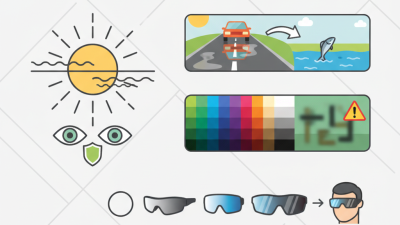
Polarized prescription lenses block horizontal light waves. This feature enhances clarity and comfort, especially in bright conditions. An industry report states that glare reduction can improve outdoor visibility by up to 90%. For outdoor enthusiasts, these lenses are not just beneficial; they are essential for safety and enjoyment.
However, selecting the right polarized prescription lenses can be challenging. Not all polarized lenses offer the same level of quality or protection. Some may distort colors or reduce visibility in low-light conditions. It is vital to consult with a qualified optician to find the lens that fits your specific needs. Making an informed choice is crucial to ensure your vision remains clear and hassle-free.
Understanding the Basics of Polarized Prescription Lenses
Choosing polarized prescription lenses is crucial for clear vision. Understanding the basics helps in making informed decisions. Polarized lenses reduce glare from surfaces like water or roads. This feature is essential for individuals who spend a lot of time outdoors. In fact, studies indicate that glare contributes to 80% of vision problems in bright environments.
Polarized lenses also enhance color contrast. They allow wearers to see colors more vividly. A report by the American Optometric Association highlights that polarized lenses can improve visual comfort by up to 30%. This can significantly impact outdoor activities like fishing, skiing, or driving. However, not everyone needs polarization. Some may feel discomfort in low-light conditions. It's important to consider personal preferences and consult an eye care professional.
Finding the right polarization level is also vital. Not all polarized lenses are created equal. There’s still a gap in understanding how different levels impact vision quality. Some users report a haze effect with certain lenses. This can diminish clarity, causing potential frustration. Reflecting on these aspects ensures that you make a choice that truly benefits your visual health.
How to Choose Polarized Prescription Lenses for Clear Vision?
| Dimension |
Details |
| Lens Material |
Polycarbonate, Trivex, High-index |
| UV Protection |
100% UV protection |
| Tinting Options |
Gray, Brown, Green |
| Lens Thickness |
Varies by prescription and material |
| Anti-Reflective Coating |
Reduces glare from light sources |
| Scratch Resistance |
Hard coat treatment available |
| Style of Frames |
Full-rim, Half-rim, Rimless |
| Usage Recommendation |
Outdoor activities and driving |
Benefits of Polarized Lenses in Eye Protection and Clarity
Polarized lenses are essential for eye protection and enhanced clarity. They reduce glare from reflective surfaces like water and roads. According to a study by the American Optometric Association, polarized sunglasses can improve visual performance while driving and during outdoor activities. This protection is crucial for preventing eye strain and fatigue.
When choosing polarized prescription lenses, consider the tint and level of polarization. A darker tint may block more light but can also obscure vision in low-light conditions. The right balance is key. Reports show that 95% of users notice a significant reduction in glare with proper polarization. This is invaluable for maintaining clarity during bright days or on snowy slopes.
**Tips:** Always consult with an eye care professional. They can recommend the best lens type for your lifestyle. Remember, polarization does not replace UV protection. Look for lenses with both features. Regularly check your vision and lens performance. Not every polarized lens performs the same; be cautious. Your eyes’ health matters.
Benefits of Polarized Prescription Lenses in Eye Protection and Clarity
Key Features to Consider When Selecting Prescription Polarized Lenses
Choosing polarized prescription lenses requires careful consideration of various features. Polarized lenses can reduce glare and enhance clarity, especially during outdoor activities. Look for lenses that specifically mention UV protection. This is crucial for safeguarding your eyes from harmful rays.
Another key feature is the lens tint. Different tints can affect perception and comfort. A darker tint reduces brightness but may alter color perception. Lighter tints are suitable for low-light conditions. Test a few options to see which works best for your daily activities.
Also, think about the lens material. High-index lenses are thinner and lighter, yet they may be more expensive. Consider your lifestyle when choosing. If you are active, impact resistance is vital. Lastly, ensure the prescription is accurate. An improper prescription can lead to discomfort. Reflect on how each choice impacts your vision and comfort. This can lead to better satisfaction with your lenses in the long run.
The Role of Lens Materials and Coatings in Vision Quality
Choosing the right lens materials and coatings is crucial for clear vision. Different materials offer unique benefits. For instance, polycarbonate lenses are lightweight and impact-resistant. They are ideal for active lifestyles. Trivex lenses, known for their optical clarity, are also a good choice for prescription sunglasses. Each material can significantly affect how you see the world.
Lens coatings also play an essential role. Anti-reflective coatings reduce glare from digital screens and headlights. This can improve comfort while driving at night. UV protection is vital as well. It shields your eyes from harmful rays. Polarized coatings reduce glare from reflective surfaces, like water or roads. This is perfect for outdoor activities.
Tips: When selecting your lenses, consider your daily activities. Do you spend time outdoors? If yes, polarized lenses may be beneficial. Reflect on your lifestyle and visual needs. Consulting an eye care professional can offer personalized guidance. Remember, the right combination can greatly enhance your visual experience. Always prioritize comfort and clarity.
How to Effectively Fit and Adjust Polarized Prescription Lenses
Fitting and adjusting polarized prescription lenses is crucial for achieving clear vision. Start by consulting with an eye care professional. They can ensure your lenses are tailored to your specific needs. Measurements for your pupillary distance (PD) are vital. Accurate PD helps position the lens correctly in front of your eyes. This can significantly impact your overall vision quality.
Next, test the fit of your frames. They should sit comfortably on your nose and ears. Wearing them should not cause pressure points. Adjustments might be necessary for proper alignment. Don’t hesitate to ask for help with minor tweaks. An experienced optician can make small adjustments that enhance comfort and performance.
Reflect on your daily activities when choosing the lens tint and polarization level. Consider where you spend most of your time. If you often drive or spend time near water, a higher level of polarization may benefit you. Keep in mind that sometimes the best adjustments are those based on trial and error. Finding the perfect fit can take time, but small refinements can greatly enhance your visual experience.