How to Choose the Best Amber Lens Glasses for Your Needs?
Choosing the right Amber Lens Glasses can be a game-changer for your vision. Dr. Sarah Thompson, an optometry expert, emphasizes, "The right lenses transform how we see the world." Whether you need them for driving or outdoor activities, understanding your needs is crucial.
Amber Lens Glasses enhance contrast and depth perception. They can reduce glare from bright lights, especially in low-light conditions. This makes them popular among athletes and outdoor enthusiasts. However, not all amber lenses are created equal. Some may not provide adequate UV protection or distortion-free vision. It's important to consider your lifestyle when making a choice.
Take time to research brands and their specific features. Look for user reviews and seek expert advice. Each person’s eyes are unique, and what works for one may not work for another. Reflect on your activities and environments. Your perfect pair of Amber Lens Glasses is out there, waiting to improve your visual experience.
Factors to Consider When Choosing Amber Lens Glasses
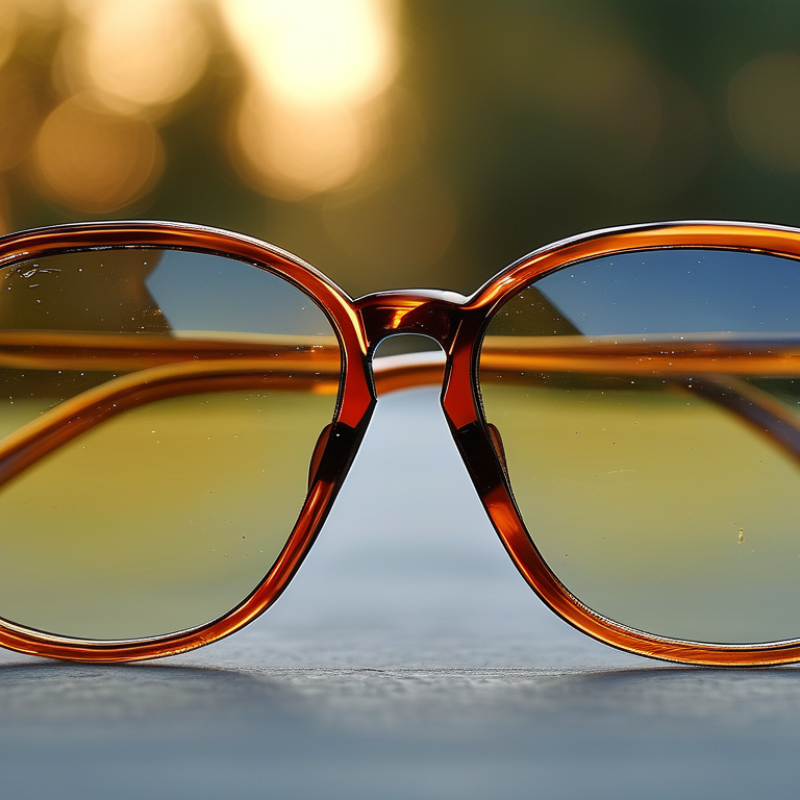
When selecting amber lens glasses, several key factors deserve attention.
The color of the lenses can affect your vision and overall comfort.
Amber lenses enhance contrast and reduce glare, making them suitable for various activities.
Consider your primary use — whether for driving, sports, or general outdoor time.
Each scenario may benefit from different lens features.
Comfort is crucial in your decision. Look for adjustable nose pads and lightweight frames.
Material quality matters too; durable frames will last longer and withstand everyday wear.
Pay attention to the coatings on the lenses.
Anti-reflective coatings help improve visual clarity by reducing distractions.
Another important aspect is UV protection. Amber lenses should block harmful UV rays to keep your eyes safe.
Check the specifications carefully, as this is vital while spending time outdoors.
It's easy to overlook this feature, but it's essential for long-term eye health.
Lastly, ensure the fit is right.
Glasses should sit comfortably without pinching or slipping.
An ideal fit will enhance your experience while using them.
Understanding Different Types of Amber Lens Coatings
Choosing amber lens glasses involves understanding various coatings. Amber lenses can enhance contrast and improve visual clarity in specific lighting conditions. They are especially popular among outdoor enthusiasts and drivers. However, not all amber lenses are created equal.
Some lenses feature anti-reflective coatings. This minimizes glare, which can be crucial for activities like cycling or skiing. A research report shows that reduction in glare can enhance visual performance by approximately 20%. Other lenses may have polarization. Polarized amber lenses help eliminate horizontal light waves, providing a clearer view in bright environments.
It's important to note that some coatings may not suit everyone. Individuals with certain eye conditions might experience discomfort. For example, those with light sensitivity might find amber lenses an irritant rather than a help. It’s essential to consider personal comfort and visual needs when selecting the right amber lens glasses, and consult with an eye care professional for tailored advice.
Evaluating Frame Styles for Optimal Comfort and Fit
Choosing the right frame style for amber lens glasses is crucial for comfort. Improper fit can lead to discomfort during prolonged use. According to a survey by the Vision Council, over 70% of eyewear users prioritize comfort in their selection. This indicates that poorly fitting glasses are likely to be abandoned or underused.
When evaluating frames, consider the material and weight. Lightweight materials, such as titanium or TR90, can enhance comfort. The shape of the frame also plays a role. Round frames may fit differently than square frames. Furthermore, nose pads and adjustable temples can improve the fit significantly. A study from the American Academy of Ophthalmology suggests that a well-fitted frame can increase daily wear time by up to 50%.
Body proportions matter too. Individuals with wider faces may require larger lenses and frames. A poorly sized frame can cause headaches or irritation. Feedback from wearers often reveals that not all frames offer the same eye coverage. The wrong angle or curvature may lead to distortion. Select frames that are adjustable to avoid such issues. Ensuring a proper fit is not just about style; it directly impacts your experience and eye health.
Assessing Lens Quality and Optical Clarity
When choosing amber lens glasses, lens quality and optical clarity are crucial. Research from the American Optometric Association shows that high-quality lenses can enhance visual comfort. In environments with significant blue light exposure, amber lenses reduce glare and improve contrast, ensuring better visibility. According to a study published in the Journal of Vision, individuals using amber lenses reported up to 30% less visual fatigue.
Optical clarity is equally important. Many consumers overlook this aspect, yet it greatly affects overall performance. Lenses should provide a clear field of vision without distortion. A report from the Vision Council states that around 25% of people experience some form of lens distortion with inferior products. Factors such as material quality and manufacturing precision play pivotal roles in achieving optimal clarity.
Consumers should also consider how the lens coating affects optical performance. Anti-reflective coatings can drastically improve clarity by reducing reflections and enhancing light transmission. However, lower-quality coatings may peel or wear off, affecting long-term clarity. Distinguishing between types of coatings can be complex, so seeking expert advice or utilizing reputable resources is recommended.
How to Choose the Best Amber Lens Glasses for Your Needs? - Assessing Lens Quality and Optical Clarity
| Feature |
Description |
Importance |
Recommended Range |
| Lens Color |
Amber lenses enhance contrast and depth perception, ideal for low-light conditions. |
High |
Traditional amber for daily use or enhanced amber for specialized activities. |
| Optical Clarity |
The lens should provide clear vision without distortion. |
Essential |
High-definition lenses rated above 90% Optical Clarity Index. |
| UV Protection |
Lenses should block 100% of UVA and UVB rays to protect eyes from harm. |
Critical |
Certified UV400 protection. |
| Scratch Resistance |
Lenses should have a coating to prevent scratches. |
Important |
Look for lenses with hard coatings. |
| Frame Material |
Consider lightweight and durable materials for comfort. |
Moderate |
Polycarbonate or TR90 material recommended. |
| Lens Type |
Choose between polarized, photochromatic, or non-polarized based on use. |
Variable |
Polarized for driving, photochromatic for variable light. |
Tips for Selecting Amber Lens Glasses for Specific Activities
When selecting amber lens glasses for specific activities, personalization is key. Different pursuits require different visual enhancements. For outdoor sports, look for lenses that enhance contrast and reduce glare. This can improve your depth perception while engaging in activities like cycling or fishing. Conversely, if you spend extended hours in front of screens, choose glasses that minimize blue light exposure. These can help reduce eye strain during work or gaming sessions.
Consider your environment as well. For driving, amber lenses can increase visibility in overcast conditions or during twilight. They might not be ideal for night driving, as they can distort colors. It's essential to experience different lens types before making a decision. Try them on in various light settings to see how they perform. Be mindful of the frame style too, as it should fit comfortably and securely.
Customization often comes with trial and error. You might find that what works for one activity doesn't suit another. Don't hesitate to seek expert advice when needed. Optometrists can offer insights tailored to your lifestyle. Investing time in this selection process can yield lenses that genuinely enhance your daily activities.
How to Choose the Best Amber Lens Glasses for Your Needs?