China Best Mirror Lens Sunglasses Manufacturer?
Choosing the China Best Mirror Lens Sunglasses Manufacturer requires more than comparing factory prices. The right partner should combine optical knowledge, stable production, tested materials, and transparent communication. Mirror Lens Sunglasses are not simply colored lenses with a reflective finish. They require controlled coating adhesion, accurate tint consistency, UV protection, and reliable frame assembly.
Market reports show why this category deserves careful sourcing. Grand View Research has identified continued growth in the global sunglasses market, supported by fashion demand, outdoor lifestyles, and premium product development. Statista Consumer Insights also reports strong consumer interest in eyewear that combines appearance with functional protection. However, published estimates vary by research method and market definition. That difference is worth remembering. Data guides decisions, but factory evidence matters more.
A qualified Chinese manufacturer should provide product samples, coating test results, material specifications, and production inspection records. Ask whether lenses meet recognized requirements such as UV400 claims and applicable standards, including ISO 12312-1 where relevant. Polarized film alignment, salt-spray resistance, hinge durability, and logo accuracy should be checked before mass production. The details matter. A bright silver coating may look impressive under showroom lighting, yet fail after repeated cleaning or heat exposure. Buyers should review laboratory reports and independent inspections, not rely only on catalog images. No factory is perfect, and even experienced suppliers can miss small defects. A practical evaluation should therefore consider communication speed, corrective action, traceability, packaging protection, and after-sales responsibility. This approach helps brands identify a dependable China manufacturer for Mirror Lens Sunglasses, rather than selecting the cheapest quotation.
What Are Mirror Lens Sunglasses?
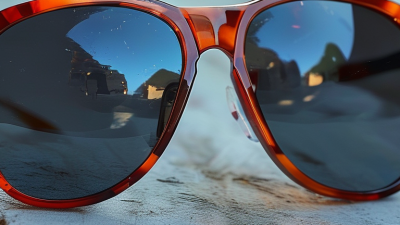
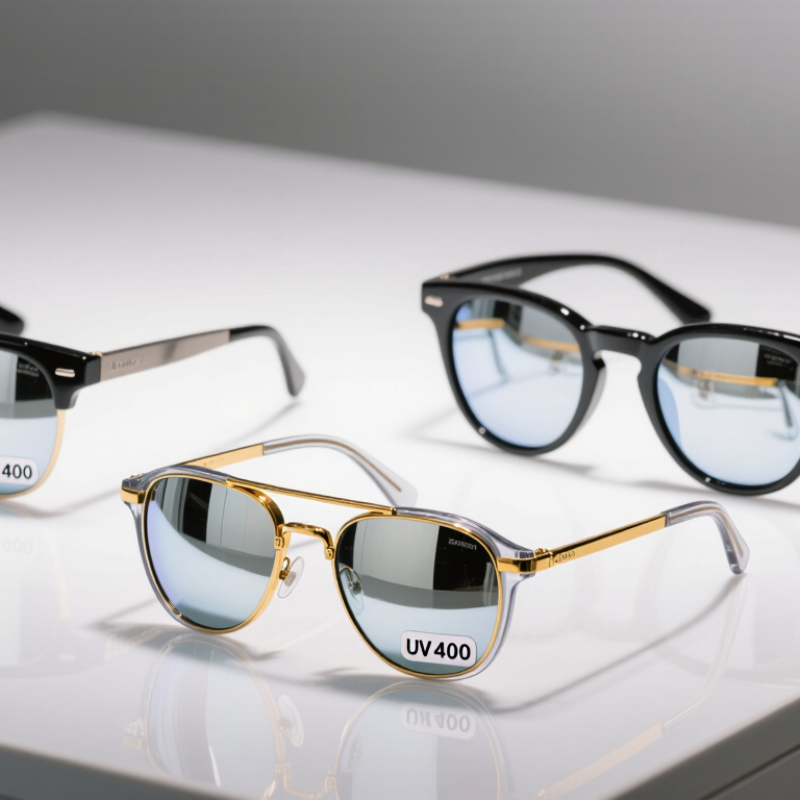
Mirror lens sunglasses are eyewear with a reflective coating applied to the outside of each lens. This thin layer sends part of incoming light away before it reaches your eyes. From the front, the lenses may look silver, blue, gold, or another color. Inside, the lens can remain clear, tinted, polarized, or photochromic. The mirror effect is not the same as polarization. Polarization reduces reflected glare, while mirroring mainly lowers visible light. Both features can work together.
In practical use, mirror lenses help near water, snow, sand, and bright roads. A cyclist may notice less harsh light during a midday ride. A kayaker may see fewer distracting flashes on the water. Still, appearance does not prove optical quality. When assessing a reliable manufacturer, inspect coating uniformity, hinge alignment, lens clarity, and impact testing records. A good lens should show no cloudy patches, pinholes, or edge distortion. Check the stated UV protection, too. A dark lens without proper UV protection can be unsafe.
Comfort matters as much as reflectivity. After several hours, nose pressure and slipping may matter more than color. Fit the frame securely, then view straight lines through each lens. If lines bend, quality control may be inconsistent. No coating is perfect. Mirror finishes can scratch, fade, or reveal fingerprints easily. Clean them with water and a soft lens cloth, not a shirt. Replacement support is another overlooked detail.
Key Features of High-Quality Mirror Lens Sunglasses
High-quality mirror lens sunglasses should combine optical clarity, reliable protection, and comfortable daily use. A reflective coating can reduce glare, but it does not automatically provide UV protection. Confirm tested UVA and UVB protection, preferably through documented laboratory results. Polarized lenses can further reduce reflected light from roads and water. However, polarization and UV protection are different features. Clear vision matters too. Hold each lens under steady light and check for waves, bubbles, or visible distortion.
A dependable manufacturer should control coating adhesion, lens alignment, frame strength, and hinge performance. The mirror finish should remain even around the edges, without peeling after normal cleaning. Polycarbonate or high-quality nylon frames can reduce weight during long outdoor wear. Fit matters. Nose pads should stay stable, while the temples should close smoothly without excessive pressure. Check the hinges. In practical inspections, small alignment errors often reveal weak quality control. I have also found that darker lenses are not always more comfortable; poor tint balance can strain the eyes. Product samples, material records, and repeatable inspection procedures offer stronger evidence than attractive product photos. Packaging and claims should remain clear, because unclear specifications create avoidable purchasing risks.
How Mirror Lens Sunglasses Are Manufactured in China
China Best Mirror Lens Sunglasses Manufacturer?
How Mirror Lens Sunglasses Are Manufactured in China
Mirror lens sunglasses begin with careful material selection. Factories commonly use polycarbonate, nylon, or optical-grade resin for the lenses. Frame materials may include acetate, stainless steel, or injection-molded plastic. Production teams inspect each batch for color consistency, surface defects, and dimensional accuracy. Small errors matter. A slight frame twist can affect comfort and lens alignment.
The lenses are shaped through cutting, edging, and polishing. Workers then clean them in controlled conditions. A vacuum chamber deposits a thin metallic layer onto the lens surface. This creates the reflective mirror effect. Additional coatings can improve scratch resistance and reduce ultraviolet transmission. Technicians test coating adhesion, optical clarity, and color uniformity. Some factories also use automated machines, but skilled inspection remains important.
Frames are assembled with hinges, nose pads, and finished lenses. Quality staff check screw tension, temple symmetry, and opening force. They also examine samples under bright inspection lights. Reliable manufacturers keep production records and trace defects back to specific batches. Testing should follow the buyer’s required standards and verified performance claims. No process is flawless. Dust, uneven coating, or rushed assembly can still appear. Honest factories correct these issues instead of hiding them.
How Mirror Lens Sunglasses Are Manufactured in China
This chart presents a typical production-planning benchmark in business days for mirror lens sunglasses. The process usually includes material inspection, lens forming, surface treatment, base tinting, vacuum mirror coating, assembly, quality control, and packaging. Actual timing may vary according to lens material, coating specifications, order quantity, and inspection requirements.
How to Evaluate a Chinese Mirror Lens Sunglasses Manufacturer
China Best Mirror Lens Sunglasses Manufacturer?
How to Evaluate a Chinese Mirror Lens Sunglasses Manufacturer
The global sunglasses market reached about USD 20.6 billion in 2023, according to Grand View Research. This growth increases supplier choices, but it also increases evaluation risks. A reliable Chinese manufacturer should provide lens test reports, material specifications, and traceable production records. Mirror coating alone does not guarantee UV protection. Ask for verified UV400 results and compliance with ISO 12312-1 requirements. Test samples under strong light, then inspect them indoors. Small coating bubbles can appear later.
Experience matters during factory evaluation. Request a live production video or schedule an on-site audit. Check the cutting machines, coating room, assembly line, and final inspection station. The factory should explain its defect rate, sampling plan, and corrective-action process. A professional supplier can show batch numbers on cartons and inspection sheets. It should also explain whether lenses use polycarbonate, CR-39, or other materials. Each option affects weight, impact resistance, clarity, and price.
Do not trust polished photos alone. I have learned that attractive samples can hide inconsistent hinge tension or uneven nose pads. That weakness deserves attention. Compare three production samples from different batches, not just one showroom piece. The World Health Organization links excessive ultraviolet exposure with eye damage, so optical performance must outrank surface appearance. Grand View Research also identifies product quality and technology as important market drivers. Ask difficult questions, record the answers, and leave room for independent testing before placing a large order.