What is the Best Photochromic Gray for Your Needs?
Finding the ideal photochromic gray for your needs can feel overwhelming. Many options exist, each with unique characteristics. These lenses adjust to varying light conditions, providing comfort and protection. However, not all photochromic grays are created equal.
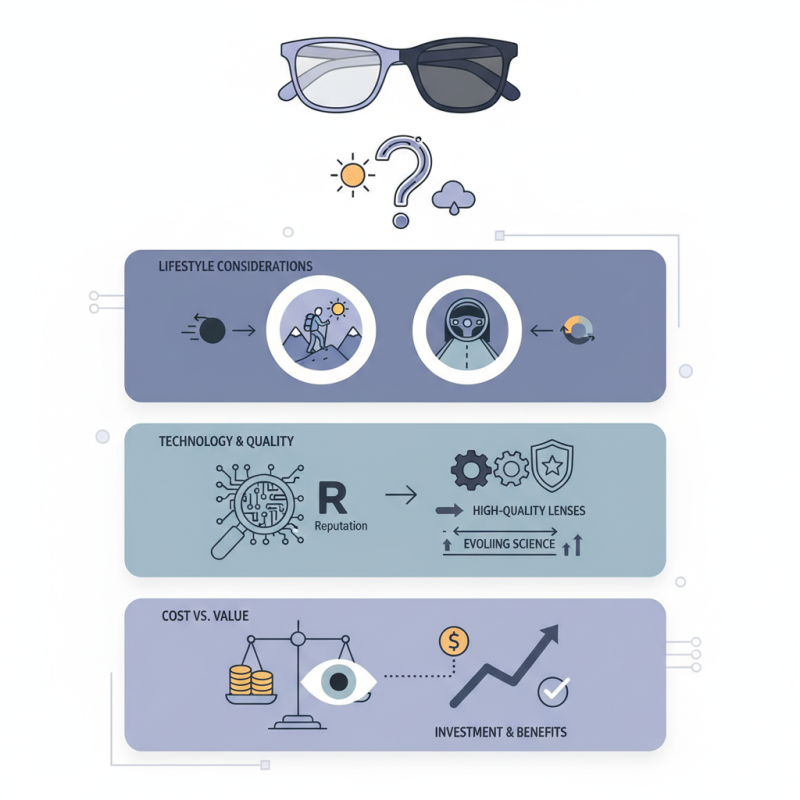
Consider how you plan to use these lenses. Are you outdoors often? Do you need them for driving? The perfect photochromic gray might differ based on your lifestyle. Some lenses darken quickly, while others offer a gradual transition. Reflect on how often you'll face changing light conditions.
It’s crucial to choose a lens from a reputable brand. Look for reviews and expert opinions. The science behind photochromic technology is evolving. It’s worthwhile to stay updated with the latest advancements. High-quality lenses can enhance your visual experience. However, they might come at a higher price. Balancing cost with function requires thought and research.
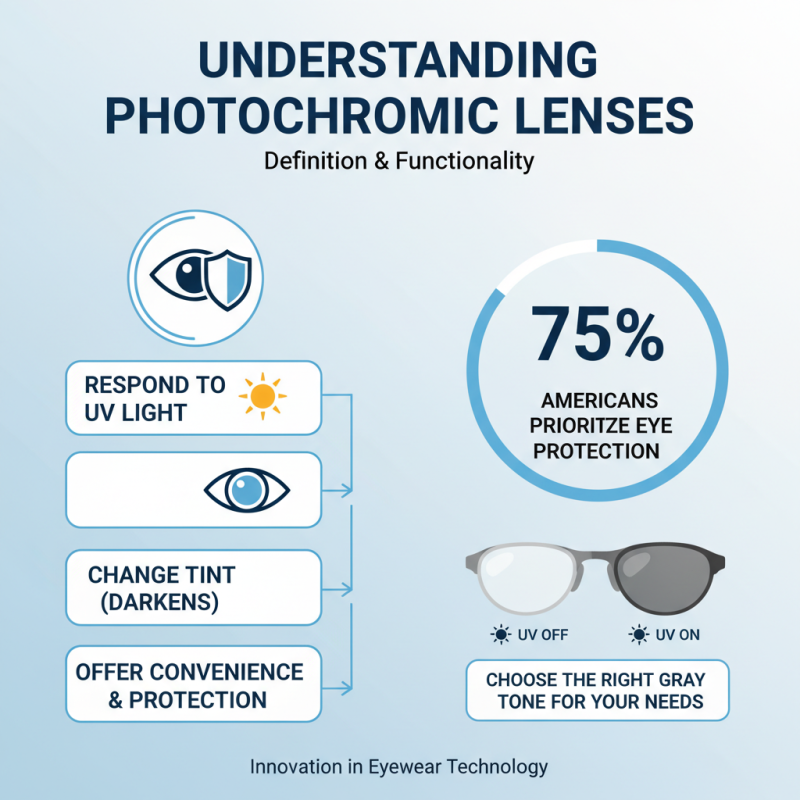
Understanding Photochromic Lenses: Definition and Functionality
Photochromic lenses are a fascinating innovation in eyewear technology. These lenses change tint in response to UV light, offering convenience and protection. Studies show that 75% of Americans consider eye protection essential. Understanding how these lenses work is critical in choosing the right gray tone for your needs.
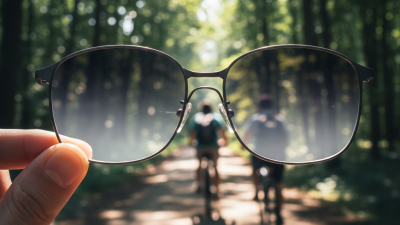
Photochromic lenses contain special molecules that react to UV light. When exposed, these molecules darken, providing shade from bright sunlight. In the absence of UV light, such as indoors, they return to their clearer state. This adaptability makes them suitable for various environments. However, not all gray photochromic lenses perform the same in different lighting conditions. Some may take longer to adjust than others. Research indicates that certain brands adjust within 30 seconds, while others may require up to two minutes.
Choosing the right lens can be overwhelming. Here are a few tips to help. Look for lenses that offer 100% UV protection. Check the transition speed and how dark they become. Consider your lifestyle: if you spend more time outdoors, a darker gray lens may be beneficial.
Reflect on your previous experiences with sunglasses. What worked well? What didn't? Understand that your eyes may react differently to varying brands. Continually learning and comparing options can enhance your experience.
Types of Photochromic Gray: Choosing the Right Shade for Your Needs
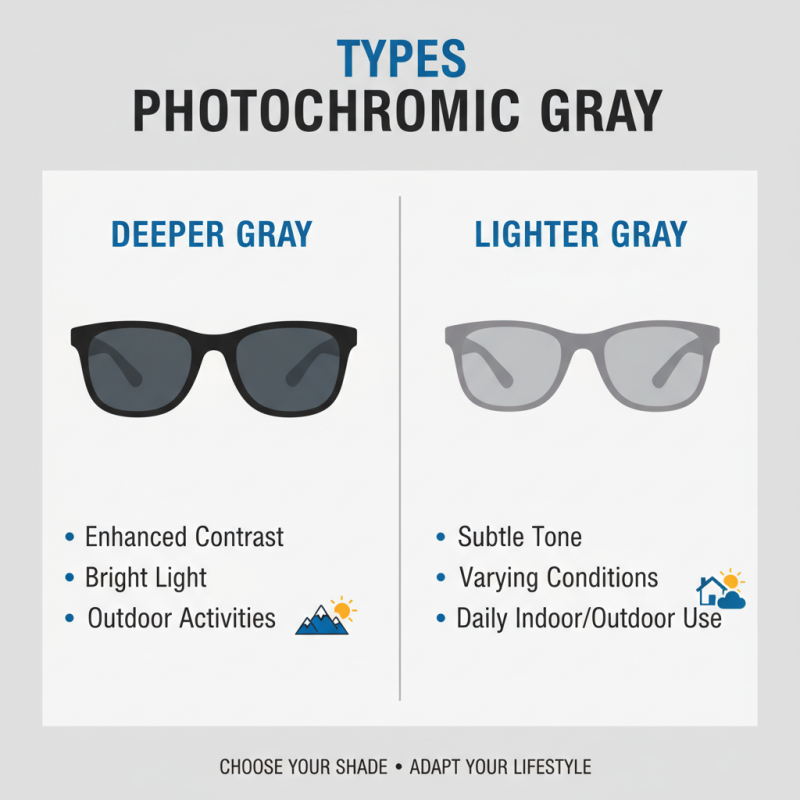
Choosing the right shade of photochromic gray involves understanding your personal needs and lifestyle. Photochromic lenses adapt to varying light conditions, but not all grays are the same. For instance, some may offer a deeper hue, providing enhanced contrast, while others present a lighter tone. Each type serves different purposes.
Consider your typical activities. If you spend time outdoors, a darker shade might offer better glare reduction. If you transition between indoor and outdoor settings frequently, a medium shade could be more versatile. Additionally, think about skin tone and personal style. A gray that complements your features can enhance your overall look.
Despite these guidelines, personal preferences can clash with expert advice. What seems ideal for some might not suit everyone. It’s essential to test different shades in real scenarios. Take time to explore how each shade interacts with various lighting. Reflect on your experiences and remain open to adjustments based on your findings.
Factors to Consider When Selecting Photochromic Gray Lenses
When selecting photochromic gray lenses, consider several crucial factors. The level of darkness is essential. Many users prefer lenses that adjust to various lighting conditions. According to a recent study, around 78% of wearers report a preference for lenses that reach a high tint level in bright sunlight. This ability enhances visual comfort and reduces glare.
Another factor to ponder is the speed of transition. Research indicates that the average transition time is about 30 seconds. However, some lenses may take longer to darken or clear up. Users often find this delay frustrating, particularly when quickly moving between indoor and outdoor environments. Balancing this with the need for UV protection is also vital. Most photochromic lenses block 100% of UVA and UVB rays. This safeguard is crucial for long-term eye health, as studies show that UV exposure can lead to severe conditions like cataracts.
Lastly, consider the lens material. Polycarbonate lenses are favorably lightweight and impact-resistant. On the other hand, high-index lenses provide a thinner profile, suitable for stronger prescriptions. Some users express dissatisfaction with the weight of certain lenses. It's worth testing different materials to find the best fit for your lifestyle and comfort preferences. Each choice has implications for visual clarity and protection, reflecting the personal needs of the wearer.
What is the Best Photochromic Gray for Your Needs?
| Features |
Benefits |
Ideal Usage |
Price Range |
| Fast Transition Speed |
Quickly adjusts to changing light |
Outdoor sports, driving |
$100 - $200 |
| High UV Protection |
Blocks harmful UV rays |
Beach, hiking |
$150 - $300 |
| Scratch Resistant Coating |
Enhances durability |
Daily wear, work environments |
$120 - $250 |
| Wide Range of Tint Levels |
Customizes for different light conditions |
Varied outdoor activities |
$130 - $270 |
| Photochromic Stability |
Maintains performance over time |
Long-term use |
$140 - $280 |
Comparing Brands: Quality and Performance of Photochromic Grays
When choosing the right photochromic gray, it’s essential to assess the quality and performance of various brands. Each brand employs unique technology to enhance photochromic sensitivity and transition speed. Some lenses darken quickly in bright sunlight, while others may take time. Variations in the darkness of gray also impact comfort and clarity. You want a pair that makes colors appear true during both light and low-light conditions.
Evaluating customer feedback can provide insights into real-life experiences. Users often share their struggles. Some find certain lenses do not transition as expected, while others complain about ease of maintenance. Research shows that many photochromic lenses can scratch more easily than traditional ones. Performance in extreme temperatures can also vary. Users in colder climates might notice slower transitions. A reliable source of information is crucial. Check research studies and lens reviews for deeper insights into brand performance.
Common Misconceptions About Photochromic Gray Lenses and Their Uses
Photochromic gray lenses offer various benefits, yet misconceptions linger. Many believe these lenses are only for outdoor use. This is not entirely true. They can provide comfort indoors, too. Their ability to adjust to lighting conditions is versatile.
Another common myth is that photochromic lenses lack clarity. In fact, modern versions offer excellent optical quality. They adapt quickly, ensuring clear vision in different environments. However, some users may find them slow to change, especially in extreme temperatures.
Tips: When choosing lenses, consider your daily activities. Different photochromic options may suit varying lifestyles. Be aware of how factors like temperature affect performance. Test these lenses in real-life situations to find the best fit. Many find satisfaction in an option that balances versatility and aesthetics.
What is the Best Photochromic Gray for Your Needs?