Top 10 Benefits of Anti Fatigue Lenses You Need to Know
In our increasingly digital world, the strain on our eyes has become a growing concern. According to a study conducted by the American Optometric Association, nearly 80% of adults experience visual discomfort when using screens for an extended period. This phenomenon, often referred to as digital eye strain or computer vision syndrome, highlights the necessity for effective solutions. One such innovation gaining traction in the realm of vision correction is "Anti Fatigue Lenses." These lenses are specifically designed to alleviate the symptoms associated with prolonged screen time, providing users with enhanced comfort and clarity.
Research indicates that the right optical solutions can significantly enhance productivity and overall well-being. A report from the Vision Council reveals that individuals who invest in specialized eyewear, such as Anti Fatigue Lenses, report higher levels of visual comfort and reduced eye strain. These lenses feature unique designs that help to reduce glare, improve focus, and provide a more relaxed viewing experience, which is crucial for those who spend long hours in front of digital devices. As we delve into the top benefits of Anti Fatigue Lenses, it becomes evident that they play an essential role in promoting eye health and optimizing daily performance in our technology-driven lives.

Understanding Anti-Fatigue Lenses and Their Purpose
Anti-fatigue lenses are specifically designed to alleviate the discomfort associated with prolonged screen exposure and extended periods of close-up work. As our daily routines become increasingly centered around digital devices, the American Optometric Association reports that 50-90% of individuals experience some form of digital eye strain. This condition is characterized by symptoms such as dryness, irritation, and blurred vision, which can significantly hinder productivity and quality of life. Anti-fatigue lenses employ advanced optics to reduce eye strain by incorporating a subtle enhancement in the lower portion of the lens, allowing for smoother transitions between different distances and reducing the need for constant refocusing.
The purpose of anti-fatigue lenses goes beyond mere comfort; they play a crucial role in promoting better visual health among those engaged in intensive visual tasks. A study published in the Journal of the Optical Society of America indicates that proper visual ergonomics, including the use of anti-fatigue lenses, can improve vision up to 40%. These lenses are particularly beneficial for millennials and Gen Z, who are reported to spend an average of 7-10 hours daily in front of screens. By minimizing the demands placed on the eyes and supporting a more natural viewing posture, anti-fatigue lenses not only enhance visual clarity but also contribute to overall well-being, enabling individuals to perform optimally in both personal and professional settings.
Enhancing Visual Comfort: How Anti-Fatigue Lenses Help
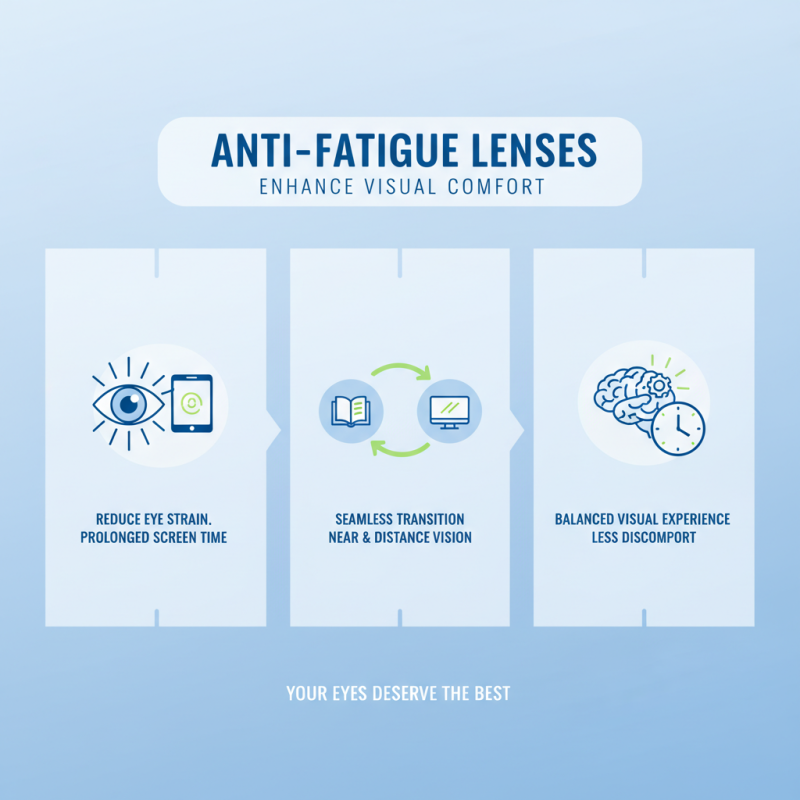
Anti-fatigue lenses are designed to enhance visual comfort, particularly for individuals who spend long hours engaged in close-up tasks like reading or working on digital devices. These lenses incorporate unique features that help reduce eye strain and mitigate the discomfort associated with prolonged screen time. One of the primary benefits of anti-fatigue lenses is their ability to offer a balanced visual experience, providing a seamless transition between near and distance vision. This is particularly beneficial for those who frequently shift their focus from screens to documents or other objects around them.
In addition to their optical design, anti-fatigue lenses often include specialized coatings that reduce glare and enhance contrast. This not only promotes clearer vision but also helps to alleviate the symptoms of digital eye strain, such as headaches and fatigue. By minimizing these discomforts, users can maintain productivity and focus for extended periods without the need for frequent breaks. Ultimately, these lenses represent an essential tool for anyone looking to improve their overall visual comfort and preserve eye health in our increasingly screen-centric world.
Reducing Eye Strain: The Key Advantage of Anti-Fatigue Lenses
Eye strain has become an increasingly prevalent issue as more people spend extended hours in front of screens.
Anti-fatigue lenses have emerged as a solution to alleviate this discomfort.
These specialized lenses are designed to reduce eye strain, a key advantage that can significantly improve daily comfort and productivity.
According to a report by the Vision Council, nearly 90% of adults report experiencing digital eye strain, highlighting the pressing need for effective eyewear solutions.
Anti-fatigue lenses incorporate features that help to enhance visual comfort by reducing the effort required for focusing, especially during prolonged near-vision tasks such as reading or using computers.
To optimize the benefits of anti-fatigue lenses, it’s essential to consider a few tips. First, ensure that your lenses are tailored to your specific visual needs, including any prescriptions for nearsightedness or farsightedness.
Additionally, remember to take regular breaks using the 20-20-20 rule: every 20 minutes, look at something 20 feet away for at least 20 seconds.
This simple practice can further help to minimize eye strain, maximizing the effectiveness of your anti-fatigue eyewear.
Moreover, the ergonomic setup of your workspace plays a crucial role in reducing eye strain.
Position your screen at an arm's length and slightly below eye level, which allows for a more natural line of sight.
By combining proper lens technology with thoughtful workspace design, you can create a healthier visual environment that promotes long-term eye comfort and productivity.
Improving Focus and Productivity with Anti-Fatigue Lenses
In today's fast-paced digital world, screen time has become an integral part of our daily lives, leading to increased eye strain and fatigue. Anti-fatigue lenses offer a targeted solution to improve focus and productivity, effectively addressing the challenges posed by prolonged exposure to digital screens. By incorporating innovative lens technology that enhances visual comfort, these lenses can help reduce the occurrence of tired eyes, allowing users to maintain concentration for longer periods.
Moreover, anti-fatigue lenses are designed to support the natural positioning of the eyes during close-up tasks. This design minimizes the strain on the eye muscles, promoting a more relaxed state while working on computers or reading. Enhanced clarity and reduced glare are other notable benefits, contributing to a more productive work environment. As a result, individuals who use anti-fatigue lenses often experience increased efficiency and reduced discomfort, empowering them to accomplish tasks without the frequent interruptions caused by eye fatigue.
Top 10 Benefits of Anti Fatigue Lenses
| Benefit |
Description |
Impact on Productivity |
| Reduces Eye Strain |
Minimizes discomfort caused by prolonged screen use. |
Leads to longer periods of focused work. |
| Enhances Clarity |
Improves visual sharpness and contrast. |
Facilitates efficient reading and comprehension. |
| Increases Comfort |
Provides a more relaxed visual experience. |
Promotes sustained concentration. |
| Reduces Headaches |
Helps prevent tension headaches associated with eye strain. |
Allows for longer, uninterrupted work sessions. |
| Filters Blue Light |
Reduces exposure to harmful blue light from screens. |
Enhances sleep quality leading to better productivity. |
| Boosts Focus |
Sharpened vision aids in improved attention. |
Enhances task execution and decision-making. |
| Improves Posture |
Encourages better alignment while using screens. |
Reduces physical fatigue, allowing longer work periods. |
| Suitable for All Ages |
Beneficial for both young digital natives and seniors. |
Enhances overall productivity across demographics. |
| Customizable Options |
Available in various styles for personal needs. |
Ensures optimal fit and effectiveness, increasing usage. |
| Long-term Eye Health |
Supports overall ocular wellness over time. |
Fosters sustained productivity throughout life. |
Long-Term Eye Health Benefits of Using Anti-Fatigue Lenses
Anti-fatigue lenses are designed to reduce eye strain and enhance comfort, especially for those who spend extended periods staring at screens. One of the significant long-term benefits of using these lenses is the reduction of digital eye strain, which is becoming increasingly prevalent in today’s technology-driven world. By providing specialized optical support, anti-fatigue lenses help maintain proper focus, allowing for a more relaxed viewing experience. As eye muscles relax, there is less chance of developing recurring headaches, dry eyes, or blurred vision, contributing to overall better eye health.
Incorporating anti-fatigue lenses into your daily routine can lead to profound improvements in long-term eye health. These lenses can improve productivity and promote eye comfort throughout your workday. Additionally, they reduce the risk of developing more severe vision problems over time, such as nearsightedness or presbyopia.
**Tip:** When choosing anti-fatigue lenses, consider factors such as lens thickness and anti-reflective coatings, which can further enhance visual clarity and comfort.
Regular check-ups with an eye specialist can help personalize your lens choice based on your specific vision needs, which is essential for maintaining long-term eye health.
**Tip:** Incorporate the 20-20-20 rule into your daily routine. Every 20 minutes, take a 20-second break to focus on something 20 feet away, allowing your eyes to rest and refocus.