Top 10 Driving Lenses for Clear Vision and Safety?
Driving safety is paramount, and choosing the right driving lenses can significantly enhance visibility. According to the Vision Council, nearly 75% of American adults use some form of vision correction. This highlights the critical need for high-quality driving lenses. Poor vision can lead to accidents, with studies showing that 90% of all driving decisions are based on sight.
The importance of specialized driving lenses cannot be overstated. These lenses are designed to provide optimal clarity in various lighting conditions. They filter glare and improve contrast, which is essential for safe driving at night or in rainy weather. Interestingly, many drivers remain unaware of their vision issues. A survey revealed that only 45% of drivers consider their eyesight when evaluating their driving abilities.
Investing in the best driving lenses can have a profound impact on road safety. A study showed that drivers with proper vision correction had a 50% lower risk of collisions. The right lenses not only protect your vision but also enhance your overall driving experience. As we delve into the top driving lenses, it's crucial to reflect on personal vision health.
Understanding the Importance of Quality Driving Lenses
Quality driving lenses play a crucial role in ensuring clear vision and safety on the road.
According to the Vision Council, nearly 75% of drivers believe that good vision is essential for safe driving.
Furthermore, studies show that 90% of driving decisions are based on visual information. The right lenses can significantly enhance visibility in various conditions,
like bright sunlight or nighttime driving.
Anti-reflective coatings and UV protection are also vital characteristics to consider.
A report from the American Optometric Association highlights that glare from headlights and streetlights can lead to accidents. Properly designed lenses can reduce these distractions.
Drivers may not realize that up to 20% of all motor vehicle accidents involve some visual impairment.
Investing in high-quality driving lenses is not just a matter of comfort but also a matter of life and death.
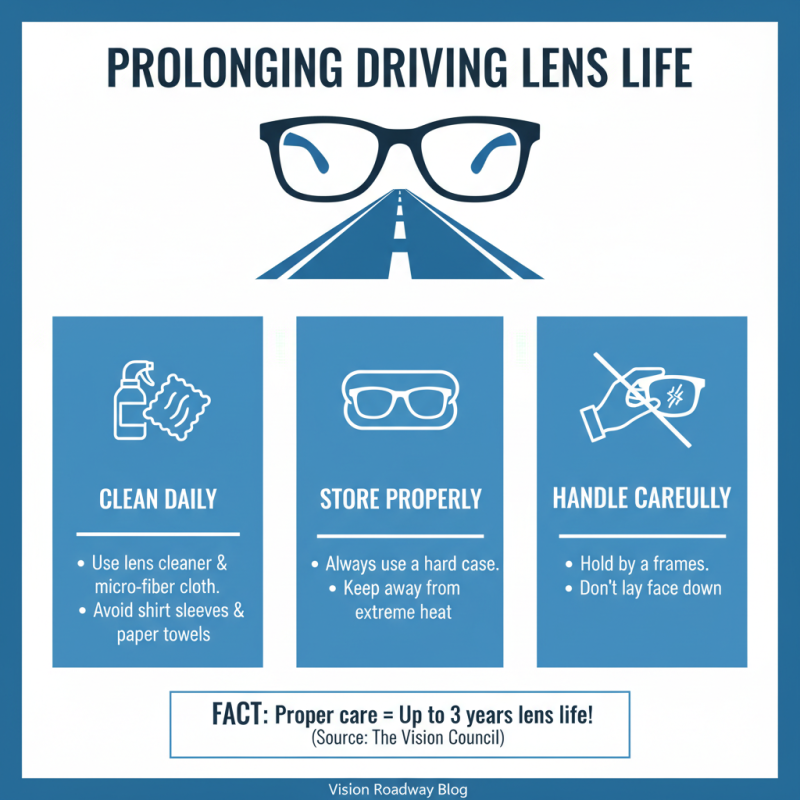
There are common misconceptions about lens care and maintenance. Many drivers overlook the need to clean their lenses regularly.
In fact, smudges or scratches can distort vision significantly. It is also essential to replace old lenses, as their effectiveness diminishes over time.
Regular eye exams are crucial; they ensure that your prescription stays relevant. With changing eyesight, delayed updates can lead to reduced safety on the road.
Taking these steps can create a safer driving experience for everyone.
Factors to Consider When Choosing Driving Lenses
When selecting driving lenses, it's essential to consider various factors. One key aspect is the lens material. Polycarbonate lenses are lightweight and impact-resistant, making them a popular choice. However, they can scratch more easily than other materials. Glass lenses provide excellent clarity but are heavier and can break easily.
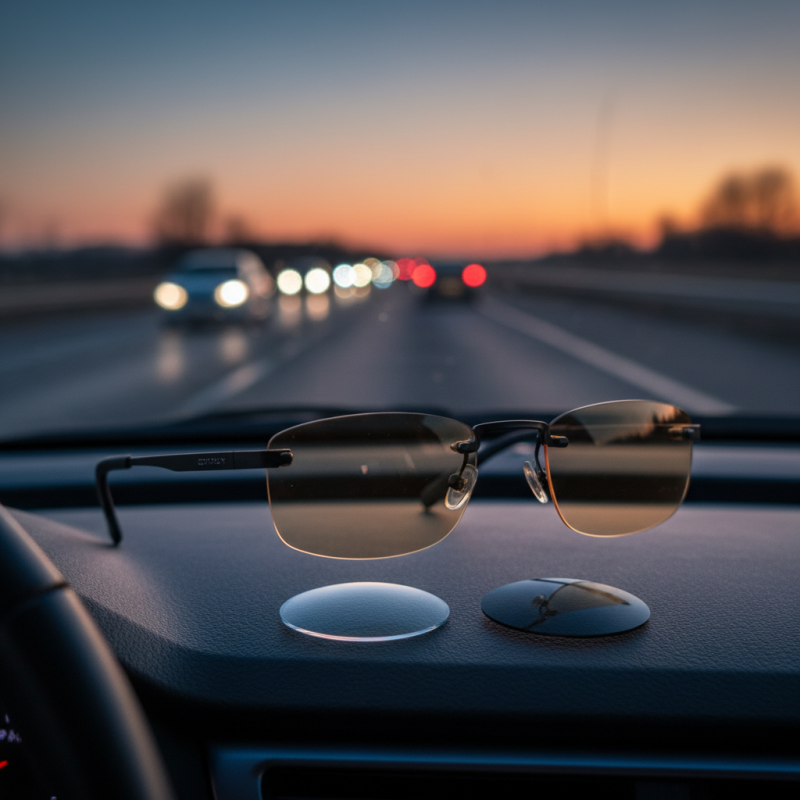
Another factor to think about is lens tint. Lighter tints can enhance visibility on overcast days, while darker tints help reduce glare from sunlight. Some lenses even come with photochromic features that adjust to changing light conditions. This adaptability can greatly improve driving comfort.
Tips: Always choose UV-protection lenses to shield your eyes from harmful rays. Look for anti-reflective coatings; they can reduce glare from headlights. Regularly check the condition of your lenses. Scratches and smudges can severely impair your vision while driving. If in doubt, consult with an eye care professional for personalized recommendations.
Top 10 Driving Lenses for Clear Vision and Safety
| Lens Type |
Key Features |
UV Protection |
Polarization |
Photochromic |
| Single Vision |
Clear vision at one distance |
Yes |
No |
No |
| Bifocal |
Two distinct vision zones |
Yes |
No |
No |
| Progressive |
Seamless transition between distances |
Yes |
No |
Yes |
| Polarized |
Reduces glare from surfaces |
Yes |
Yes |
No |
| Photochromic |
Darkens in sunlight |
Yes |
No |
Yes |
| Aspheric |
Thinner, lighter lenses |
Yes |
No |
No |
| Anti-reflective |
Reduces reflections |
Yes |
No |
No |
| Blue Light Filtering |
Reduces blue light exposure |
Yes |
No |
No |
| Tinted |
Reduces brightness and glare |
Yes |
Yes |
No |
Top Features of the Best Driving Lenses for Clear Vision
When it comes to driving, having the right lenses is essential for clear vision and enhanced safety. The best driving lenses often highlight specific features to optimize your visual experience. One critical feature is anti-reflective coating. This technology can reduce glare from oncoming headlights, which is vital during night driving. According to a study by the Optical Society, glare can significantly impair night vision, leading to increased accident risk.
Photochromic lenses are another popular option for drivers. These lenses automatically adjust to changing light conditions, providing optimal visibility in bright sunlight and sudden shadows. Research indicates that 90% of drivers prefer lenses that adapt to light variations. This adaptability helps reduce eye strain, making long drives more comfortable. However, these lenses can sometimes exhibit a slower response time in vehicles with windshields that block UV light, leaving room for improvement.
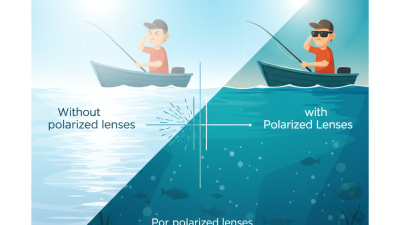
Polarization is also an important feature in driving lenses. Polarized lenses cut through surface glare from roads and water, enhancing clarity. While they are effective, they may also obscure certain digital displays, like GPS systems. This limitation requires drivers to balance safety with functionality. By understanding these aspects, drivers can make informed decisions about their lens choices, improving both their vision and overall road safety.
A Comprehensive Review of the Top 10 Driving Lenses
Visibility is crucial for safe driving. A comprehensive review of driving lenses reveals the importance of optimal clarity. Studies show that up to 90% of driving decisions depend on visual information. The right lenses can significantly enhance night vision and reduce glare. For instance, anti-reflective coatings can cut glare by over 50%, which is vital when facing oncoming headlights.
Lens materials also play a vital role. Polycarbonate lenses are lightweight and impact-resistant, making them a practical choice for drivers. According to research from the Optical Laboratories Association, nearly 70% of drivers reported improved comfort with lightweight lenses. However, not all lenses are created equal. Some high-index lenses may provide better aesthetics but could sacrifice peripheral clarity. This trade-off is essential to consider during lens selection.
Moreover, UV protection is often overlooked. A study by the American Optometric Association indicates that 40% of UV exposure occurs while driving. Investing in lenses with 100% UV protection is essential to prevent long-term eye damage. Ultimately, selecting the ideal driving lens requires careful thought and consideration of these factors for enhanced safety and vision clarity on the road.
Top 10 Driving Lenses for Clear Vision and Safety