
Leave Your Message
Choosing a China top Mirrored Polarized Sunglasses supplier requires more than comparing prices or attractive product photos. It demands practical knowledge of lenses, frames, coatings, production controls, and customer needs.
Edwin H. Land, the founder of Polaroid and a pioneer in polarizing optics, famously said, “The question is not what you look at, but what you see.” His words remain relevant today. Quality Mirrored Polarized Sunglasses should reduce harsh glare from roads, water, and snow while preserving clear visual detail. A reliable supplier should explain the lens structure, polarization performance, ultraviolet protection, mirror coating, and frame materials without vague promises.
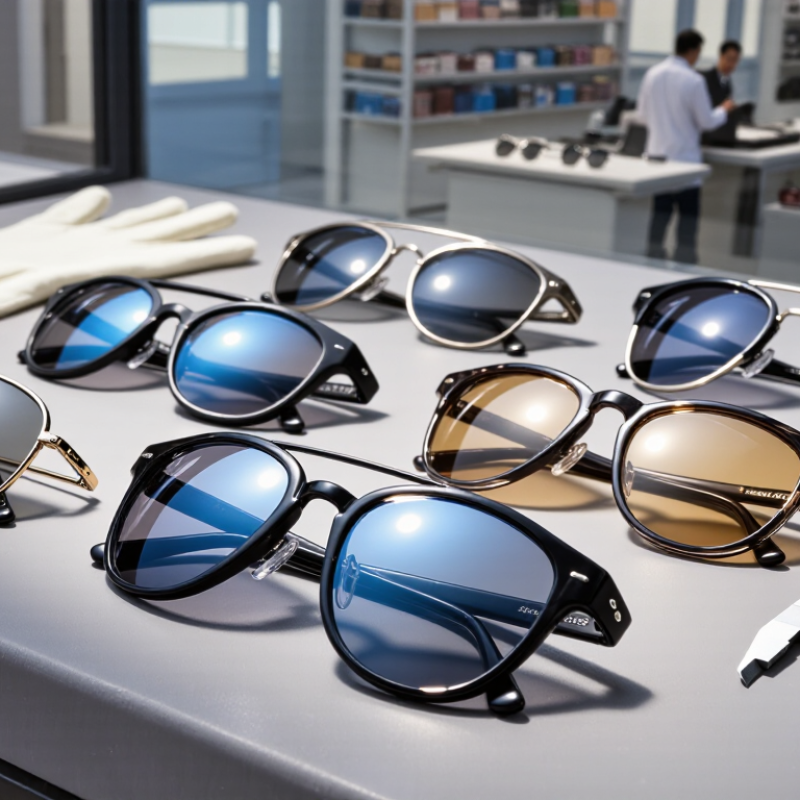
Look closely at the details. Ask for sample pairs. Inspect the hinge movement, lens alignment, coating uniformity, and surface clarity under direct light. Request documented testing from qualified laboratories when appropriate. Manufacturing experience also matters. A capable factory can show stable molding processes, inspection records, packaging controls, and traceable production batches.
Small details matter.
However, no supplier is flawless. Even an experienced manufacturer may face coating variation, color inconsistency, or shipment pressure. Honest communication is therefore part of product quality. Suppliers should acknowledge limitations and provide corrective solutions.
This guide examines how to evaluate Chinese manufacturers of Mirrored Polarized Sunglasses, from design development to quality assurance. It also considers customization, production capacity, export experience, and long-term cooperation. The strongest choice may not be the cheapest factory. It may be the supplier that offers consistent evidence, responsive service, and a willingness to improve when something goes wrong.
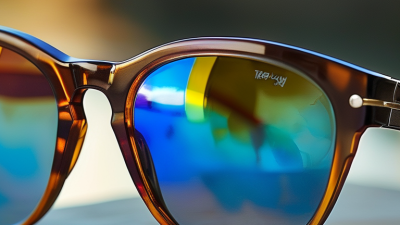
Mirrored polarized sunglasses combine two different lens technologies. Polarization reduces reflected glare from roads, water, and glass surfaces. A mirrored coating reflects part of the incoming light before it reaches the lens. The result is a darker, calmer view in bright outdoor conditions.
In practical testing, the difference is easy to notice beside a sunny window or wet pavement. Polarized lenses can make surface details clearer, while the mirror layer helps reduce overall brightness. However, a mirror finish does not automatically provide ultraviolet protection. Reliable suppliers should verify UV protection through laboratory testing, not appearance alone. Lens material, coating adhesion, color consistency, and frame alignment also require inspection.
As a professional sunglasses supplier in China, we examine samples under strong light and compare them with approved specifications. We check whether the coating shows pinholes, uneven reflections, or scratches after basic durability tests. Small defects matter. They can affect comfort and customer trust. Lens color also changes the visual experience; gray usually keeps colors natural, while brown may increase contrast. Blue and silver mirrors look attractive, but appearance should never replace optical performance. The imperfect part is that no single lens suits every user or climate. Designing responsibly means testing the product in real conditions, then questioning the first result.
| Product Dimension | Technical Information | Why It Matters |
|---|---|---|
| Definition | Mirrored polarized sunglasses combine a reflective mirror coating on the front surface of the lens with a polarizing filter that selectively reduces horizontally oriented reflected light. | The mirror coating changes the lens appearance and can reduce incoming visible light, while the polarizing filter helps control reflected glare. |
| Polarizing Function | A polarizing filter is designed to reduce glare from relatively flat reflective surfaces such as water, wet roads, snow, glass, and painted surfaces. | This can improve visual comfort and reduce distracting reflections during driving, boating, fishing, hiking, and other outdoor activities. |
| Mirror Coating | A thin metallic or dielectric reflective layer is applied to the lens surface. Mirror colors may include silver, gold, blue, green, red, or other visual finishes. | A mirror coating may reduce visible light transmission and provides a distinctive appearance, but it does not replace UV protection or polarization. |
| Ultraviolet Protection | Quality sunglasses should block ultraviolet radiation, including UVA and UVB. Products marked UV400 are intended to block ultraviolet wavelengths up to approximately 400 nanometers. | UV protection helps reduce exposure of the eyes to ultraviolet radiation. Mirror appearance alone is not proof of UV protection, so the specification should be verified by testing. |
| Typical Lens Materials | Common materials include CR-39 optical resin, polycarbonate, nylon, and glass. Each material differs in weight, impact resistance, optical performance, and cost. | Polycarbonate and nylon are lightweight and impact-resistant choices, while glass generally offers excellent optical clarity but is heavier and more susceptible to breakage. |
| Visible Light Transmission | Visible light transmission depends on the base tint, mirror coating, and lens construction. Sunglasses are commonly produced across light, medium, and dark transmission levels rather than one universal percentage. | Lower transmission is useful in bright sunlight, while higher transmission can be more suitable for variable light. The selected category should match the intended environment. |
| Lens Tint | Gray tints generally preserve natural color balance. Brown and amber tints can increase perceived contrast, while green tints provide a balance between contrast and color neutrality. | Tint selection affects visual comfort and color perception. A tint should be selected according to the activity and lighting conditions. |
| Glare Reduction | Polarized lenses are particularly effective against glare reflected from horizontal surfaces. They may not remove all glare from digital screens, complex reflections, or non-horizontal surfaces. | Polarization improves comfort in many outdoor conditions, but it should not be described as eliminating every type of reflection. |
| Optical Quality | Important quality checks include lens power consistency, prism, distortion, surface defects, coating uniformity, and alignment of the polarizing filter. | Consistent optical quality helps reduce visual fatigue and supports clear, comfortable vision when the sunglasses are worn for extended periods. |
| Mirror Durability | Mirror finishes can be sensitive to abrasion, chemicals, salt water, sweat, and improper cleaning. Durability depends on coating technology, surface treatment, and handling. | Proper care helps preserve reflectivity. Recommended cleaning generally includes clean water, mild soap when needed, and a soft microfiber cloth. |
| Frame Materials | Common frame materials include injected plastics, acetate, nylon-based materials, stainless steel, aluminum, and other metal alloys. | Material selection affects frame weight, flexibility, corrosion resistance, comfort, and suitability for different outdoor conditions. |
| Fit and Coverage | Key fit factors include lens width, bridge width, temple length, nose-pad design, wrap angle, and the distance between the lens and the eyes. | A well-fitted frame improves comfort and helps limit light entering around the sides, especially in bright outdoor environments. |
| Common Applications | Typical applications include driving, cycling, fishing, boating, skiing, hiking, beach activities, golf, and everyday outdoor wear. | The best lens tint, transmission level, frame shape, and impact-resistance specification depend on the intended application. |
| Screen Compatibility | Some liquid-crystal displays may appear dim, uneven, or partially dark when viewed through polarized sunglasses because the display and lens filters can interact. | Users who frequently view instrument panels, smartphones, or other displays should check screen visibility before selecting a strongly polarized lens. |
| Product Testing | Relevant testing may cover UV transmittance, visible light transmission, optical performance, impact resistance, flammability, and coating adhesion, depending on the target market. | Testing against the applicable regional requirements helps confirm that the finished sunglasses meet declared performance and safety specifications. |
| Care Recommendations | Store sunglasses in a protective case, avoid placing lenses face-down, rinse away dust before wiping, and avoid abrasive cleaners or high heat. | These practices help reduce scratches, coating damage, frame deformation, and premature loss of optical performance. |