What is a Polarized Lens and How Does it Work?
A polarized lens is an innovative optical technology that enhances vision. It is commonly used in sunglasses and specialized eyewear. Many people enjoy outdoor activities, but they face challenges from glare. This is where a polarized lens comes into play.
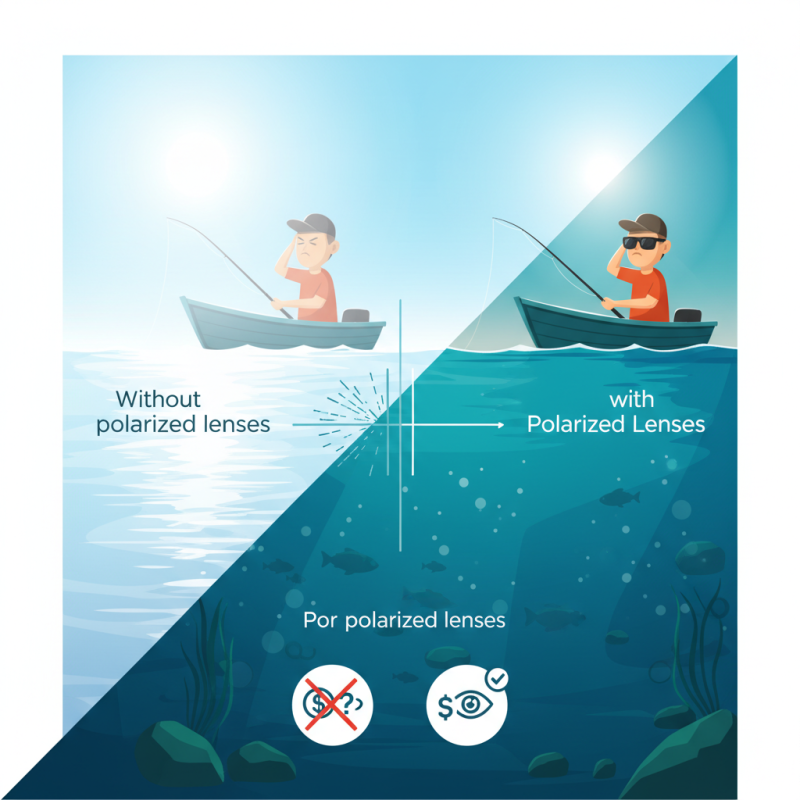
What exactly is a polarized lens? It filters light rays, allowing only specific orientations to pass through. This feature reduces glare, providing clearer and more comfortable vision. Imagine fishing on a bright lake. Without polarized lenses, the sun reflects off the water, making it hard to see beneath the surface. With these lenses, the world comes into sharper focus.
However, not everyone understands the science behind polarized lenses. Some may wonder if they need them at all. Polarized lenses can be more expensive than regular ones. It’s essential to weigh the benefits against the cost. Misconceptions may lead to doubts. Are they worth it for occasional use? These reflections can help individuals make informed choices about polarized lenses.
What Are Polarized Lenses?
Polarized lenses are designed to reduce glare from surfaces such as water, roads, and snow. They act like a filter that blocks intense reflected light, enhancing visual comfort. This is particularly useful for outdoor activities. According to a study by the Vision Council, about 70% of people experience discomfort from glare. This can lead to eye strain and reduced visibility.
These lenses contain a special polarizing film. This film is sandwiched between the lens layers. When light reflects off a surface, it becomes polarized. Polarized lenses can block this light. They allow only vertically oriented light to reach the eyes. Research shows that wearing polarized lenses can improve visual clarity by up to 99%.
While many enjoy the benefits, not everyone may need them. In some situations, like in low light or fog, polarized lenses can reduce visibility. It's essential to consider the environment before choosing polarized lenses. They can enhance outdoor experiences but may not work well in all conditions. Understanding these nuances is crucial for optimal eye protection.
The Science Behind Polarization
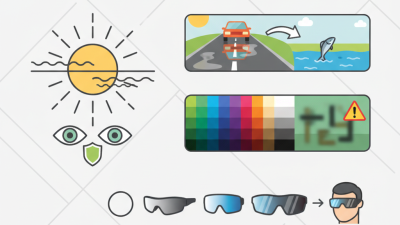
Polarized lenses are designed to reduce glare from surfaces like water and roads. This technology relies on the science of polarization. Polarization occurs when light waves vibrate in a parallel direction. Most light is unpolarized, meaning it vibrates in multiple directions. When sunlight reflects off a flat surface, it often becomes polarized, creating blinding glare.
Polarized lenses contain special chemical filters that allow only vertically oriented light to pass through. This filter blocks horizontal light waves, which are responsible for glare. When you wear these lenses, you notice a significant reduction in brightness and an increase in clarity. Colors appear richer and details stand out more vividly. However, it is essential to understand that polarized lenses may distort some images displayed on digital screens. This could lead to frustration when using devices outdoors.
The impact of polarized lenses is profound for outdoor activities. They enhance the visual experience, making it easier to see and enjoy the environment. Yet, they may not always be suitable for every situation. Some people find it hard to adapt to the altered perception of depth and contrast. It’s worth considering both the benefits and limitations before choosing polarized lenses for specific activities.
How Polarized Lenses Reduce Glare
Polarized lenses are a common feature in eyewear designed to reduce glare. They are essential for anyone who spends time outdoors. For instance, sunlight reflecting off water or snow creates intense glare. This can impair vision and increase eye strain. Polarized lenses use a special filter to block this intense light. They reduce the amount of light that reaches your eyes, improving clarity and comfort.
When you wear polarized lenses, you will notice reduced reflections and vibrant colors. This is particularly useful for activities like driving, fishing, or skiing. You’ll find it easier to see details without squinting. However, not everyone needs polarized lenses. Sometimes, the cost could be higher without a clear benefit.
**Tip:** Always try on different types of lenses before buying. Compare how each one feels in bright conditions.
Another aspect to consider is that polarized lenses can sometimes interfere with screens. If you frequently use your phone or GPS, check the visibility through the lenses first. Not all polarized lenses provide the same level of clarity. Keep this in mind when making a purchase.
**Tip:** Look for a lens with good optical clarity, especially if you spend lots of time on devices.
Effectiveness of Polarized Lenses in Reducing Glare
Applications of Polarized Lenses in Daily Life
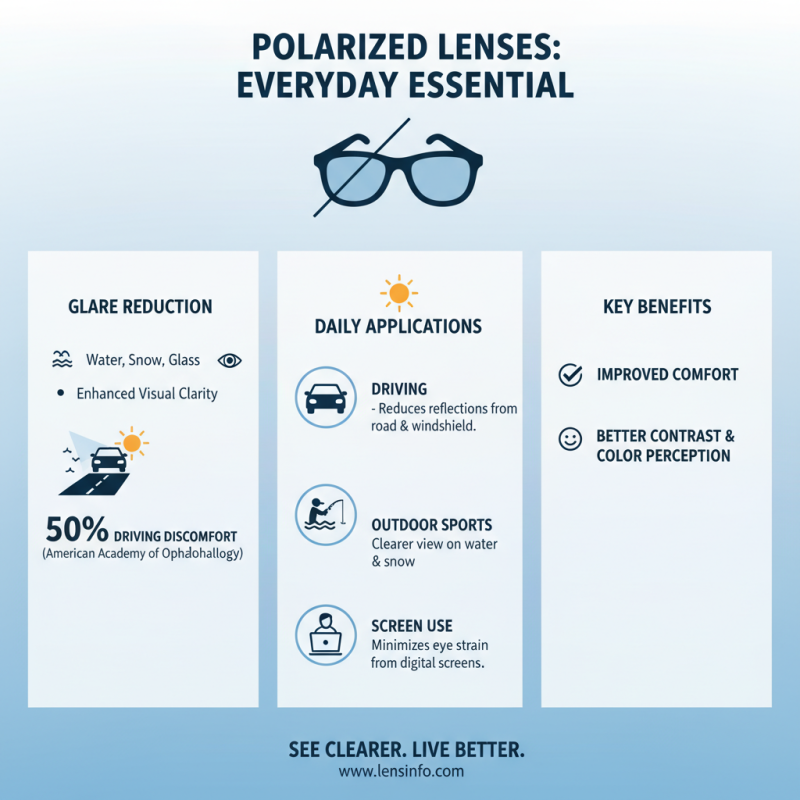
Polarized lenses have become essential in everyday life. They reduce glare from surfaces like water, snow, and glass. According to a report by the American Academy of Ophthalmology, 50% of adults suffer from glare-related discomfort while driving. This is where polarized lenses come into play. They can enhance visual clarity and comfort significantly.
For outdoor enthusiasts, polarized lenses are crucial. A study by the Vision Council indicates that 90% of individuals engaging in outdoor activities prefer polarized eyewear for increased comfort and protection. Whether you're fishing, skiing, or just walking, these lenses help filter out the harsh sunlight. But not everyone realizes the importance of wearing them. Many still opt for regular sunglasses, missing out on better eye protection and comfort.
In professional settings, polarized lenses are also valuable. Workers in industries like construction and maritime face extreme glare. A survey by the National Eye Institute states that about 20% of these workers experience eye strain. Wearing polarized lenses can mitigate this issue. However, some people may find them too dark or may not be aware of their benefits. Education on the advantages of polarized lenses is still needed.
Choosing the Right Polarized Lenses for Your Needs
When choosing polarized lenses, consider your activities. Different environments demand specific lens features. For example, if you enjoy water sports, look for lenses with high glare reduction. According to the Vision Council, 75% of adults experience discomfort due to glare. A good polarized lens can significantly enhance visual comfort.
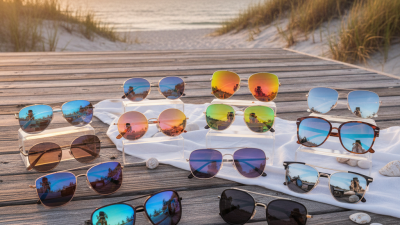
Lens color also influences performance. Gray lenses maintain true color perception, while brown and amber enhance contrast. Research shows that 80% of those who wear polarized lenses report improved clarity. Think about where you will use them most. For urban environments, darker lenses may be helpful, while lighter lenses may serve better for indoor settings.
Tip: Always try on polarized lenses before purchasing. Some users may find a visual distortion, a common complaint. Take a moment to walk around in them. You want to be sure they meet your expectations. Don't rush the decision. Consider your lifestyle, style preferences, and comfort. A thoughtful choice leads to better experiences.