Leave Your Message

10 Essential Tips for Choosing the Right UV Ray Sunglasses

Choosing the right UV ray sunglasses is crucial for eye protection. With so many options available, it can feel overwhelming. You must consider several factors to find the perfect pair.

UV ray sunglasses are not just about style. They provide essential protection against harmful rays. Poor choices can lead to long-term damage to your eyes. Think about the fit, lens quality, and UV protection levels. Are they comfortable for all-day wear?

Take a moment to reflect on your lifestyle. Do you spend a lot of time outdoors? If so, prioritize high-quality UV ray sunglasses. Investing in the right pair can make a significant difference in your eye health. Be mindful and choose wisely.
10 Essential Tips for Choosing the Right UV Ray Sunglasses

Understanding UV Rays and Their Impact on Eye Health

10 Essential Tips for Choosing the Right UV Ray Sunglasses

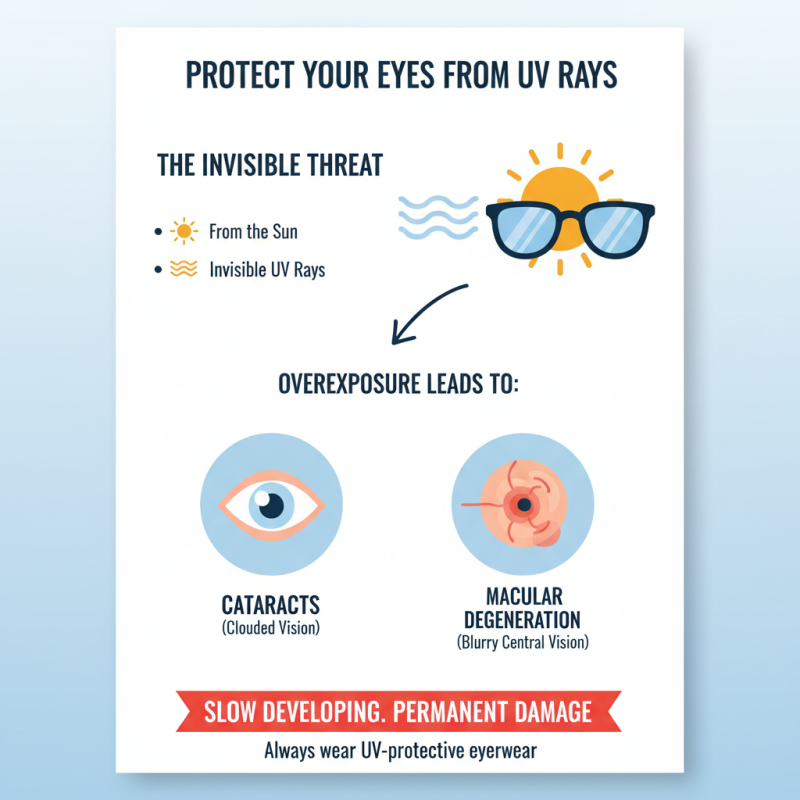
UV rays can be harmful to your eyes. These invisible rays come from the sun. Overexposure may lead to serious eye conditions. This includes cataracts and macular degeneration. Such issues often develop slowly over time.

When choosing UV ray sunglasses, look for proper lens protection. A pair that blocks 100% of UVA and UVB rays is ideal. Also, consider the lens tint. Dark lenses do not always mean better protection. It's crucial to research. Many people overlook this aspect.

Don't forget about the fit. Sunglasses should cover the entire eye area. Gaps can let in harmful rays. Take time to check the style and comfort too. Reflect on your choices carefully; the right pair can significantly enhance your eye health. Over time, the right sunglasses can make a big difference.
Factors to Consider When Choosing UV Ray Sunglasses

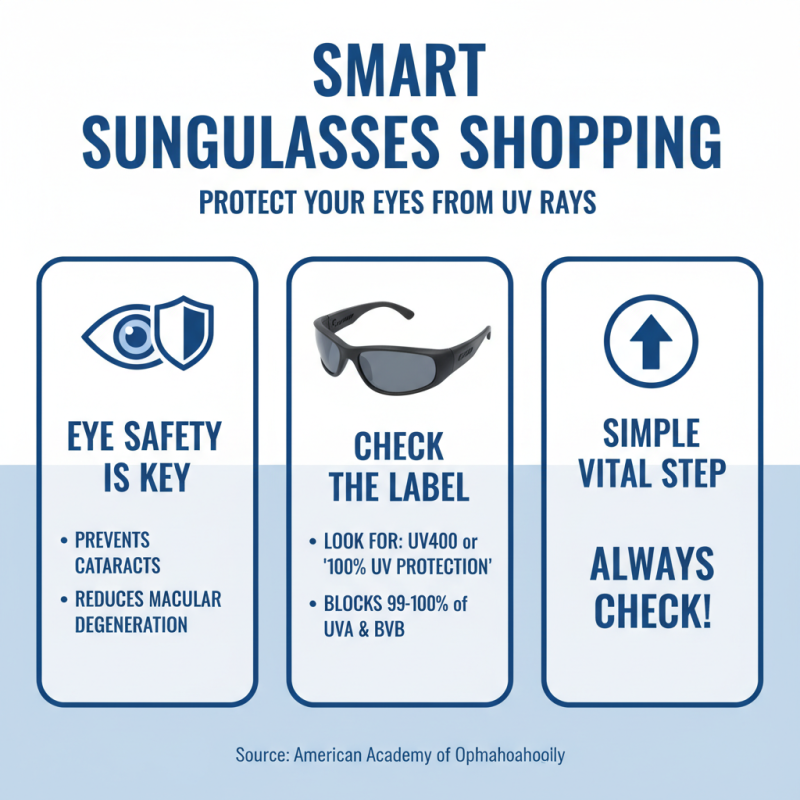
When selecting UV ray sunglasses, several factors merit your attention. UV protection is paramount. According to the American Academy of Ophthalmology, sunglasses should block 99% to 100% of UVA and UVB rays. Look for labels that state the level of protection clearly.

Lens color can also impact vision. Darker lenses do not always mean better UV protection. Some lighter shades can provide full UV coverage. Polarized lenses reduce glare, making them ideal for outdoor activities. However, they may not be necessary for everyone.

Fit and comfort are crucial too. Sunglasses should snugly fit your face without pinching your nose or temples. Ill-fitting sunglasses can cause headaches or discomfort. Try them on before purchasing. Choose styles that cover the entire eye area. Wraparound designs offer more protection from peripheral rays. Remember, style should not compromise safety.

The Importance of UV Protection Levels in Sunglasses

10 Essential Tips for Choosing the Right UV Ray Sunglasses

UV protection levels in sunglasses are crucial for eye safety. UV rays can cause serious damage, including cataracts and macular degeneration. When selecting sunglasses, always check for UV protection labels. Look for sunglasses that block 99 to 100% of UVA and UVB rays. This is a simple yet vital step.

Many people overlook polarization. Polarized lenses reduce glare from surfaces like water or roads. This feature enhances comfort and visibility. However, polarization doesn’t guarantee UV protection. Always verify the UV levels, regardless of lens type.

Consider the lens color too. Darker lenses don’t always mean better protection. Different colors offer various benefits. For instance, gray lenses reduce overall brightness without altering colors. Green lenses improve contrast and reduce glare. Choose what suits your lifestyle best. Remember, not all sunglasses are created equal. Making informed choices is essential for your eye health.

Different Types of Lens Materials and Their UV Protection

When selecting UV protection sunglasses, it's crucial to understand lens materials. Not all lenses provide the same level of UV coverage. Polycarbonate lenses are lightweight and impact-resistant. They block 100% of harmful UVA and UVB rays. This makes them ideal for active lifestyles or sports. However, they can scratch more easily than other materials.

Another popular option is glass lenses. They offer superior optical clarity and scratch resistance. While they provide excellent UV protection, they are heavier and more prone to breaking. Polymer lenses are also common. They are affordable and available in various colors. However, they might not always provide adequate UV defense. Some people overlook the importance of checking labels for UV ratings, which can lead to ineffective protection. Remember, the best sunglasses should not only look good but also protect your eyes.

10 Essential Tips for Choosing the Right UV Ray Sunglasses

Lens Material UV Protection Level Durability Weight Price Range
Polycarbonate 99% UV protection High Lightweight $50 - $150
CR-39 Plastic 98% UV protection Medium Moderate $30 - $100
Glass 99% UV protection Very high Heavier $80 - $200
Polyurethane 99% UV protection High Lightweight $40 - $120
Nylon 95% UV protection Medium Lightweight $50 - $130

Tips for Proper Care and Maintenance of UV Ray Sunglasses

Proper care and maintenance of UV ray sunglasses is crucial. Keep them in a protective case when not in use. This helps prevent scratches. Exposure to extreme temperatures can warp the frames. Avoid leaving them in hot cars or direct sunlight.


Cleaning is important too. Use a microfiber cloth to wipe the lenses. Avoid paper towels; they can scratch the surface. For deeper cleaning, rinse with water first. Then, apply a small amount of lens cleaner. Rinse and dry completely before storage.


Regular checks for wear can extend the life of your sunglasses. Look for loose screws or damaged lenses. If you notice any issues, get them repaired promptly. Leaving problems unattended could lead to further damage. Frames might break, and lenses may lose UV protection. Remember, caring for your sunglasses also protects your eyes.