10 Essential Tips for Choosing Round Lenses for Your Glasses?
Choosing the right round lenses for your glasses is crucial. These lenses blend style with functionality. They have become increasingly popular in recent years due to their vintage appeal. Finding the perfect pair can seem daunting, but understanding a few key factors can simplify the process.
Round lenses come in various shapes, sizes, and materials. Each option has unique benefits. For instance, lightweight materials can enhance comfort during long wear. Additionally, the right frame can accentuate your facial features and personal style. It's easy to overlook these details when shopping. However, investing time in choosing the right lenses will pay off in the long run.
Your lifestyle also plays a role in lens selection. If you lead an active life, consider options that offer durability and protection. Reflecting on your needs is essential. Think about where and how often you will wear your glasses. The right round lenses should not only fit well but also complement your everyday activities.

Understanding Different Types of Round Lenses Available for Glasses
When it comes to round lenses for glasses, understanding the different types is crucial for making the right choice. Round lenses can enhance your style and provide various benefits.
Traditional glass lenses offer excellent optical clarity but weigh more than modern materials.
Plastic lenses are lighter and more impact-resistant, making them a popular choice.
There are various round lens options available. High-index lenses are thinner and lighter, ideal for strong prescriptions. Progressive lenses offer multiple vision zones without visible lines, enhancing functionality.
Single vision lenses provide a specific vision correction but can limit versatility.
Choosing the right round lenses requires considering both style and functionality. Each type has unique pros and cons, which may not suit everyone.
It’s essential to reflect on your lifestyle when selecting lenses. Take your time to explore different options.
Comfort and fit should never be underestimated. Always prioritize quality for your vision needs.
Factors to Consider for Lens Material and Durability
When choosing round lenses for glasses, consider lens material as a key factor. Polycarbonate is lightweight and highly impact-resistant. It is an excellent choice for active lifestyles. However, it can scratch easily without a protective coating. Trivex is another popular option. It offers superior optics and is also impact-resistant. While it may not be as light as polycarbonate, it delivers excellent clarity.
Durability is crucial in lens selection. Scratch-resistant coatings can enhance the lifespan of your lenses. Keep in mind that not all coatings are equal. Some may wear off quickly with daily use. Look for lenses with a hard coating for long-lasting protection. Additionally, UV protection is a must. Prolonged exposure to sunlight can damage your eyes. Lenses with UV filters help mitigate this risk significantly.
Choosing the right lenses involves thoughtful consideration. Reflect on your daily activities. Are you often in challenging environments? If so, consider investing in more durable options. While you might save money upfront with cheaper lenses, the longevity may not be worth it. Think about how often you would need replacements. Prioritize materials that align with your lifestyle and preferences for the best experience.
10 Essential Tips for Choosing Round Lenses for Your Glasses
This chart illustrates the importance level of various factors to consider when selecting round lenses for glasses. The factors include weight, durability, clarity, UV protection, and scratch resistance, each rated on a scale from 0 to 10. This data can help you make a more informed choice when selecting your lenses.
Choosing the Right Lens Coatings for Enhanced Vision
Choosing the right lens coatings is crucial for optimizing your vision. A 2021 report from the Vision Council found that approximately 70% of people experience some form of vision impairment. With so many lens coating options available, understanding their benefits is vital.
Anti-reflective coatings reduce glare and enhance clarity. They can increase light transmission by over 99%, leading to sharper vision.
Photochromic lenses serve a dual purpose, adapting to bright sunlight. Research indicates these lenses block 100% of harmful UVA and UVB rays. However, they may not darken in vehicles.
This limitation can be frustrating for users who drive frequently.
Blue light blocking coatings have gained popularity. More than 60%% of adults report discomfort from digital screens. These coatings can potentially reduce eye strain and fatigue. Despite their benefits, some users find they distort color perception.
It's essential to weigh these factors carefully when selecting a coating. Each individual's needs and circumstances will determine the best choice for their lenses.
Assessing Frame Compatibility with Round Lenses
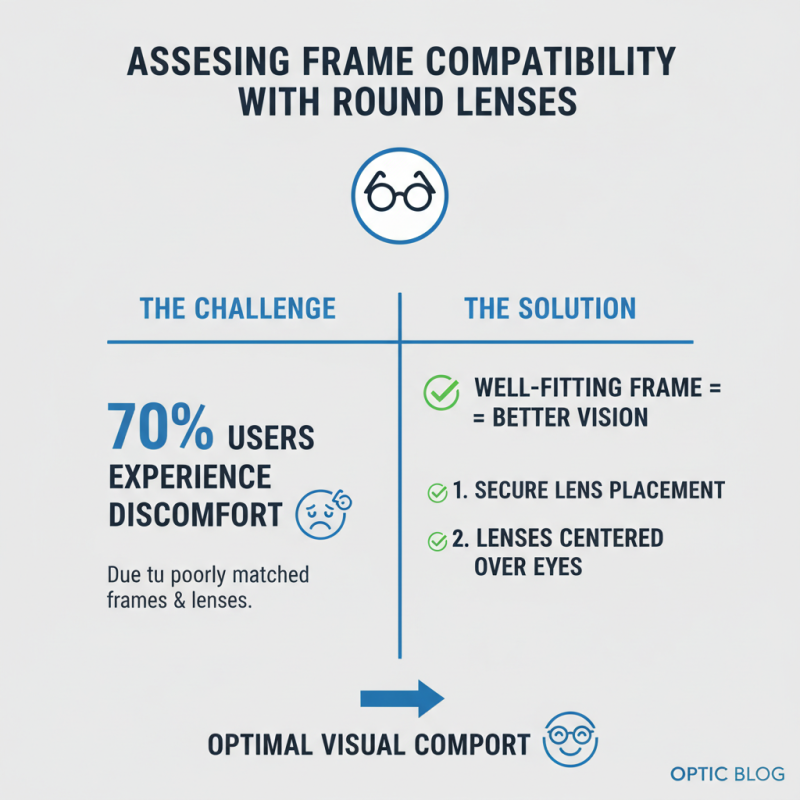
When considering round lenses for your glasses, frame compatibility is crucial. The shape of the frame significantly influences lens placement and performance. Data suggests that around 70% of users experience discomfort due to poorly matched frames and lenses. A well-fitting frame should hold the lenses securely and center them correctly over your eyes.
One challenge with round lenses is ensuring they harmonize with your facial features. The frame should enhance your natural shape. Research indicates that the ideal frame width should be approximately 5mm wider than your face for optimal aesthetics. However, it's important to remember that personal style varies. Some may prefer a snug fit, while others might lean towards a looser design, leading to potential difficulties in vision alignment.
Additionally, consider the material of both the frame and lenses. Lightweight materials might offer comfort, but they may not always provide the durability needed for daily wear. Reports show that 30% of lens replacements stem from accidental drops or bending mistakes. Evaluating the balance between style, material, and compatibility can often lead to imperfections that require adjustments. Finding that perfect match is both an art and a science.
Finding the Ideal Prescription for Optimal Comfort and Clarity
When selecting round lenses for your glasses, focus on finding the right prescription. The correct prescription ensures optimal comfort and clarity for your daily activities. Each person's vision needs are unique, and a well-fitted prescription can greatly improve your visual experience.
Consider your lifestyle when choosing a prescription. If you spend long hours in front of screens, you might need blue light protection. This can prevent eye strain and enhance comfort. Additionally, consult with an eye care specialist. They can provide tailored advice based on your specific needs. Don't hesitate to ask questions about different lens options and coatings.
Evaluate the thickness and material of the lenses. Thinner lenses may be lighter and more comfortable. However, they can also be more expensive. A thoughtful choice here can make a difference in how your glasses feel. Remember that not everyone will feel comfortable in round lenses. Take your time to try on different options and see which ones suit your face shape best. Your comfort should always come first, so don’t rush the decision.