How to Choose the Right UV Ray Sunglasses for Your Needs?
Choosing the right UV Ray Sunglasses is crucial for protecting your eyes from harmful solar radiation. The sun’s rays can cause serious eye issues over time. Finding the best pair can be overwhelming, given the options available.
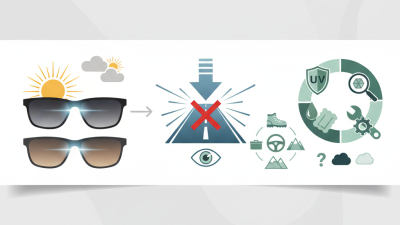
When selecting UV Ray Sunglasses, consider the UV protection level. Not all sunglasses offer the same coverage. Look for labels that say “100% UV protection” or “UV400.” This assures you that your eyes are shielded from both UVA and UVB rays. Comfort matters too; poorly fitting sunglasses can cause headaches and discomfort during prolonged wear.
Think about lens types. Polarized lenses reduce glare, which is excellent for outdoor activities. However, they may distort some screens. It’s wise to try on different styles and lenses before deciding. Reflect on your lifestyle needs. Ultimately, the right pair of UV Ray Sunglasses should enhance your outdoor experiences while safeguarding your vision.
Factors to Consider When Selecting UV Ray Sunglasses
When selecting UV ray sunglasses, it's essential to understand key factors that affect your choice. First, consider the UV protection level. Look for sunglasses that offer 100% UV protection. This ensures that both UVA and UVB rays are effectively blocked. Many sunglasses may claim UV protection but do not specify the level. Don’t be misled by fancy designs alone.
Next, think about lens material. Polycarbonate lenses are lightweight and sturdy. They provide high-impact resistance, making them ideal for outdoor activities. Glass lenses may offer better clarity but can be heavier and break more easily. If you spend considerable time outdoors, the durability of your lenses is paramount.
Frame style also plays a role. Wider frames can provide more coverage, reducing peripheral light exposure. Look for sunglasses with adjustable features for comfort. It's crucial to try on different styles. Each person's face shape is unique, and what fits one might not fit another. A little discomfort can lead to longer-term issues. Prioritizing both protection and comfort is a substantial step toward your choice.
How to Choose the Right UV Ray Sunglasses for Your Needs?
| Factors to Consider |
Details |
| UV Protection Level |
Ensure sunglasses block 99% to 100% of UVA and UVB rays. |
| Lens Material |
Polycarbonate lenses are lightweight and impact-resistant. |
| Lens Color |
Gray lenses reduce overall brightness without distorting colors. |
| Polarization |
Polarized lenses reduce glare from reflective surfaces, enhancing visibility. |
| Fit and Comfort |
Try on sunglasses to ensure they fit comfortably without slipping. |
| Style and Fashion |
Choose a style that complements your face shape and personal style. |
Understanding UV Protection Levels in Sunglasses
When selecting sunglasses, understanding UV protection levels is crucial. UV rays can damage the eyes, leading to cataracts and macular degeneration. Studies indicate that UV exposure plays a significant role in these conditions. Sunglasses should have a UV400 rating, blocking 100% of UVA and UVB rays. Many consumers overlook this detail, thinking any sunglasses will suffice.
The American Academy of Ophthalmology emphasizes that UV protection is not just about lens darkness. Some tinted lenses can provide little to no UV protection. In fact, clear lenses can also offer UV shielding if treated with the appropriate coating. Look for sunglasses that explicitly state their UV protection level on the label. It's an indicator of their effectiveness rather than relying solely on the tint color.
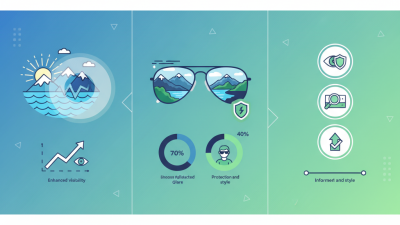
Consider polarization as an extra benefit. Polarized lenses reduce glare from surfaces like water and roads. However, they're not a substitute for UV protection. Even the best polarized lenses can lack adequate UV defense. Remember, sunglasses should be part of a comprehensive eye protection strategy. Choose wisely to safeguard your vision now and in the future.
Different Lens Colors and Their Impact on UV Protection
Choosing the right UV ray sunglasses involves understanding how lens colors affect their protective capabilities. Dark lenses do not always mean better protection. In fact, some dark-tinted glasses might offer minimal UV screening. Always check for UV protection labels, regardless of color.
Different lens colors serve various purposes. Gray lenses reduce overall brightness while maintaining true color perception. Brown and amber lenses enhance contrast and depth perception. They work well for activities like driving. Yellow lenses are effective in low-light conditions. However, they might distort color awareness.
Eyewear can be misleading. Many people wear sunglasses without understanding what they really protect against. A fashionable pair might lack necessary UV filtering. That could lead to eye damage over time. Understanding lens colors and their specific impacts on UV protection is essential for making an informed choice. Don't overlook the importance of choosing wisely.
UV Protection Levels of Different Sunglass Lens Colors
Frame Styles and Their Influence on Comfort and Fit
When selecting UV ray sunglasses, the frame style plays a crucial role in both comfort and fit. For instance, oversized frames offer excellent protection against sunlight. However, they may feel bulkier on smaller faces. A snug fit is essential to prevent light leakage. Therefore, trying on various styles is recommended.
Different materials also affect comfort. Plastic frames are lightweight and flexible, while metal frames provide a more sophisticated look. It’s important to consider personal preferences. Some people may find metal uncomfortable against their skin. Others might struggle with plastic frames slipping down their noses after prolonged wear.
Moreover, the shape of the lens matters too. Wider lenses can give better peripheral visibility. But, they might not suit every face shape. Finding the right balance between style and practicality is key. Keep in mind that not every style will fit every occasion. Exploring various options is valuable. This reflection on comfort and fit can lead to more informed choices.
Price Ranges and Quality Considerations for UV Sunglasses
When selecting UV ray sunglasses, understanding the price range and quality is vital. Quality sunglasses often provide better UV protection. Basic pairs can start around $20, while premium options can exceed $200. Price reflects design, materials, and UV rating. A high price doesn’t always mean the best protection. Testing the UV filter is crucial before a purchase.
It’s essential to check the label. Ensure the sunglasses state 100% UV protection. Look for polarization to reduce glare. This adds to visual comfort, especially in bright conditions. While high-priced sunglasses may offer style, function must remain a priority. Finding balance is key.
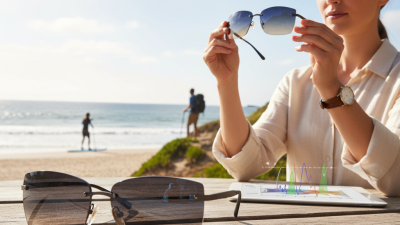
Tip: Always try sunglasses on before buying. How they feel can influence your choice. Check for comfort and fit. If they pinch or slide down your nose, look for another pair. Remember, it’s not just about looking good; it's about your eye health too.