2025 How to Choose Polarized Lenses for Optimal Eye Protection
When it comes to protecting your eyes from harmful UV rays, choosing the right polarized lenses is essential. Dr. Jane Thompson, an expert in optical science, states, "Polarized lenses significantly reduce glare but may not fit every activity." This highlights the importance of understanding your needs when selecting these lenses.
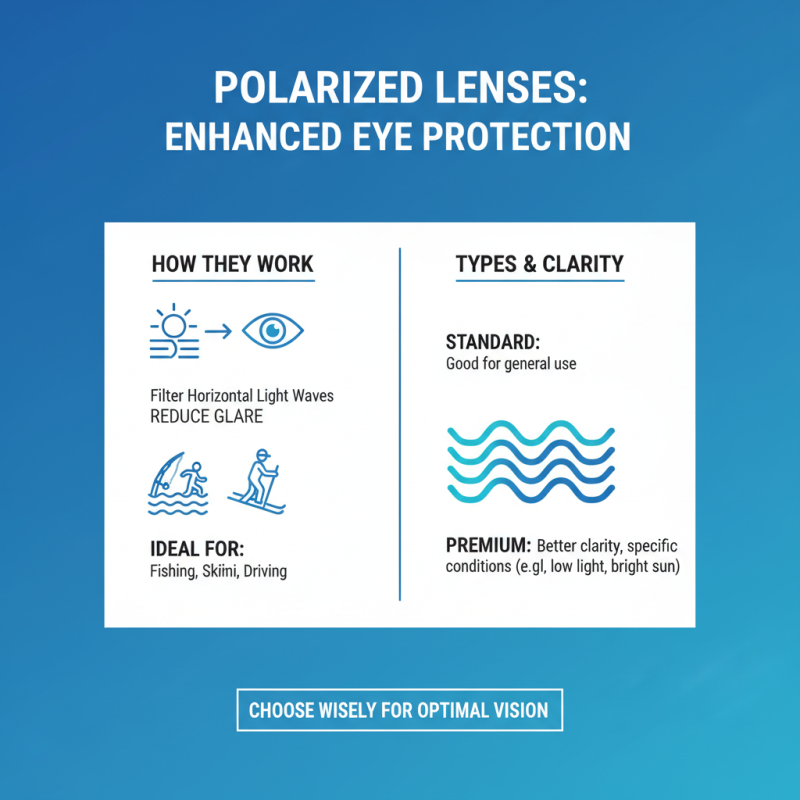
Polarized lenses work by filtering out horizontal light waves, which reduces glare. This feature is particularly beneficial for activities like fishing or driving, where clear vision is crucial. However, not all polarized lenses offer the same protection or clarity. Some may distort colors, while others might not be suitable for specific conditions.
In a market filled with options, informed choices are vital. You may find yourself overwhelmed by various shapes, colors, and coatings. However, understanding the basic qualities of polarized lenses can help you make better decisions. Prioritizing the function over the fashion can lead to optimal eye safety and comfort in the long run.
Understanding Polarized Lenses: The Science Behind Eye Protection
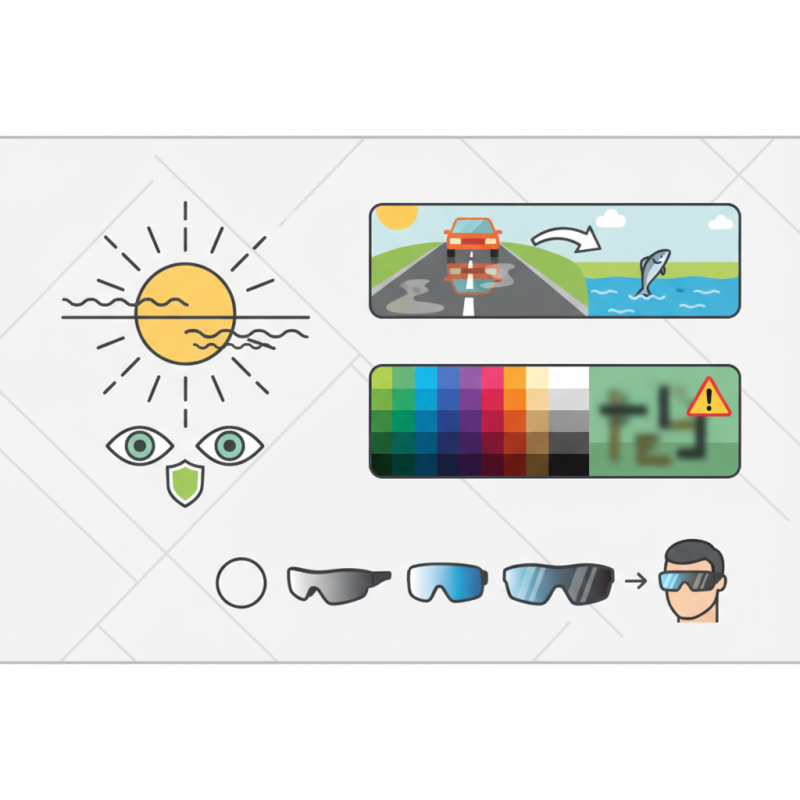
Polarized lenses are a popular choice for eye protection. They reduce glare from reflective surfaces like water, snow, and roads. This reduction helps in maintaining clear vision, especially under bright sunlight. When choosing polarized lenses, understanding the science behind them is essential.
The technology involves a special filter that blocks certain light waves. This filter only allows vertical light waves to pass through. As a result, polarized lenses can significantly reduce glare without compromising overall brightness. The visual comfort they offer makes outdoor activities more enjoyable.
However, not all polarized lenses are created equal. The level of polarization can vary. Some lenses may not block enough UV rays. It's crucial to consider your specific needs when selecting a pair. Testing different lenses can reveal surprising differences. They may work well in some situations but not others. Therefore, taking time to reflect on your choices can lead to better vision protection.
Key Benefits of Polarized Lenses in Reducing Glare and Eye Strain
Polarized lenses offer critical advantages in glare reduction and eye strain mitigation. They work by filtering out horizontal light waves, a common cause of glare. According to the American Optometric Association, glare can significantly impair visibility, making polarized lenses an essential tool for outdoor enthusiasts and daily commuters. Data indicates that around 80% of visual information is tied to light. Thus, managing that light is crucial for comfort.
For those who spend hours under bright sunlight, polarized lenses can provide significant relief. Studies show that prolonged exposure to glare can lead to eye fatigue and discomfort. In fact, the Vision Council states that nearly 60% of adults report symptoms of digital eye strain. Choosing polarized lenses could represent a proactive measure against potential long-term eye issues. Users often report reduced headaches and more vibrant color perception after switching to polarized lenses.
However, not every scenario calls for polarized lenses. Some activities, like downhill skiing or certain water sports, may benefit from non-polarized lenses for depth perception. This highlights the need for personalized choices tailored to specific environments. Even experienced users occasionally find themselves needing to reassess their lens types for changing conditions. Eyewear selection isn't always straightforward; understanding the context is key.
2025 How to Choose Polarized Lenses for Optimal Eye Protection - Key Benefits of Polarized Lenses in Reducing Glare and Eye Strain
| Benefit |
Description |
Impact on Eye Health |
| Reduces Glare |
Polarized lenses are designed to block intense reflected light, which minimizes glare from surfaces like water and roads. |
Helps to prevent eye strain during prolonged outdoor activities, providing clearer vision. |
| Enhances Clarity |
By filtering out scattered light, polarized lenses enhance visual clarity and contrast. |
Reduces the risk of visual fatigue and discomfort. |
| Improves Color Perception |
Polarized lenses improve the perception of colors, making them appear more vibrant and true. |
Aids in better recognition of objects and surroundings, important for driving safety. |
| Reduces Eye Fatigue |
Minimized glare leads to less squinting and strain on the eye muscles. |
Promotes overall eye comfort, especially in bright conditions. |
| UV Protection |
Many polarized lenses also offer UV protection, shielding the eyes from harmful rays. |
Helps prevent long-term eye damage and conditions such as cataracts. |
Evaluating Different Polarization Types for Optimal Performance
When selecting polarized lenses, understanding different polarization types can significantly enhance your eye protection. Polarized lenses reduce glare by filtering out horizontal light waves. They are particularly useful for outdoor activities like fishing or skiing. Yet, not all polarization types are created equal. Some lenses may provide better clarity in specific lighting conditions.
Consider the UV protection offered alongside polarization. Some lenses may prioritize glare reduction while neglecting UV defense. This balance is crucial for long-term eye health. Not all polarized lenses ensure ultimate performance. Some might distort colors or blur vision. It's essential to test lenses in various environments before making a purchase.
Customization is another factor. Tailored solutions, such as lens color and coating, can impact polarization effectiveness. Frequent wearers should reflect on their daily needs. Do you often drive? Maybe photochromic lenses are worth considering. Evaluating all these aspects can lead to a more informed decision. After all, not every option will work for everyone.
Choosing the Right Lens Color: Impact on Light Transmission and Clarity
Choosing the right lens color is essential for optimal eye protection. Different colors filter light differently. A study from the American Optometric Association highlights that gray lenses reduce brightness without distorting colors. This feature makes them suitable for bright sun conditions.
Yellow and amber lenses enhance contrast. They are often recommended for low-light conditions. However, their ability to tint colors can be distracting. Data suggests that these colors may amplify glare in bright environments. It's a double-edged sword: they improve clarity, but may not always be the best choice.
Green lenses provide a balanced color perception. They block harmful blue light and reduce glare, which can improve visual comfort. Yet, some users report a slight distortion in color, particularly with shades of red. Adjusting to various lens colors requires time and awareness. Choosing the wrong lens may lead to eye strain or discomfort in certain situations. Always consider your environment when selecting lens color.
Important UV Protection Standards for Safe Outdoor Activities
Choosing polarized lenses is essential for outdoor activities. UV protection is crucial for eye safety. Many people overlook these standards until it’s too late. The sun emits harmful rays, which can lead to long-term damage.
Look for lenses that block 99% to 100% of UV rays. Check for UV400 labels. This indicates the lens can block UVA and UVB rays effectively. Ideally, buy sunglasses that wrap around the sides of your face. This design limits sunlight entry from various angles.
Not everyone understands the difference between polarized and non-polarized lenses. Polarized lenses cut glare from surfaces like water and roads. However, they don’t always provide full UV protection.
Testing lenses in different lighting conditions can reveal their true performance. A little reflection might lead to better choices. Sometimes, people buy based only on style, ignoring essential protection measures. Eye safety should come first.