How to Choose the Best Polarized Lens for Your Sunglasses and Activities
When it comes to protecting your eyes from harmful UV rays and enhancing visual comfort, the choice of sunglasses has never been more critical. Among the various features available, "polarized lens" technology stands out as a crucial element for outdoor enthusiasts and everyday users alike. According to industry reports, the global polarized sunglasses market size was valued at approximately $2.5 billion in 2022 and is projected to grow significantly as more consumers recognize the benefits of polarized lenses for reducing glare and improving visibility.
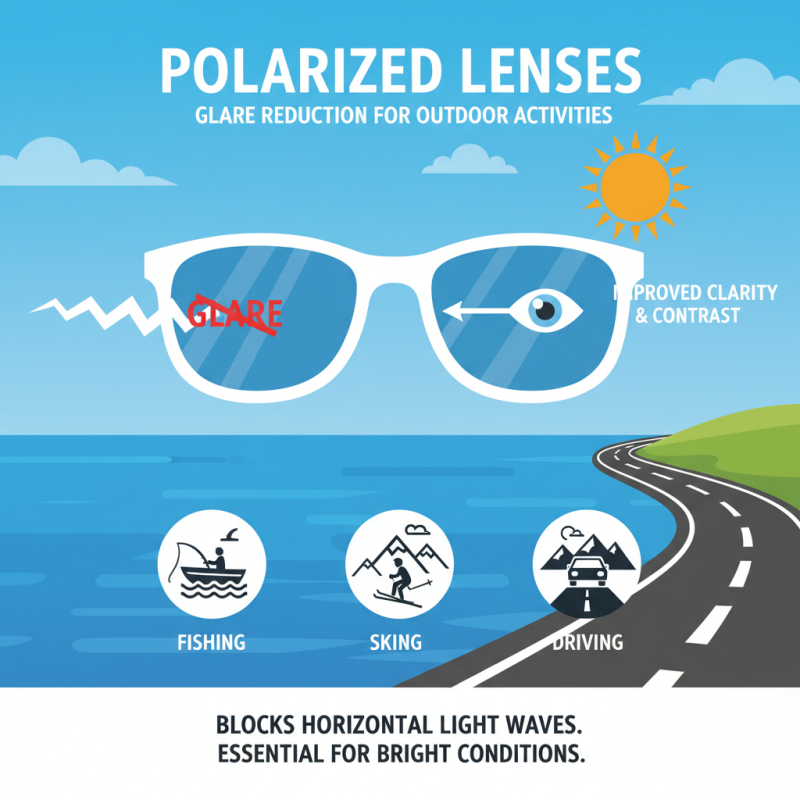
Polarized lenses are particularly beneficial for activities such as fishing, skiing, and driving, where clear vision is essential. Research indicates that polarized sunglasses can improve contrast and depth perception while greatly minimizing reflections off surfaces like water and roads. Therefore, understanding the right polarized lens for your specific activities can enhance not just your performance but also your overall enjoyment while safeguarding your eye health.
Choosing the best polarized lens requires consideration of various factors, including lens materials, coatings, and tint options, tailored to both the environment and the demands of your activities. As outdoor activities continue to gain popularity, being well-informed about the advantages of polarized lenses equips consumers to make better choices that align with their lifestyle and visual needs.
Understanding Polarized Lenses: What Are They and How Do They Work?
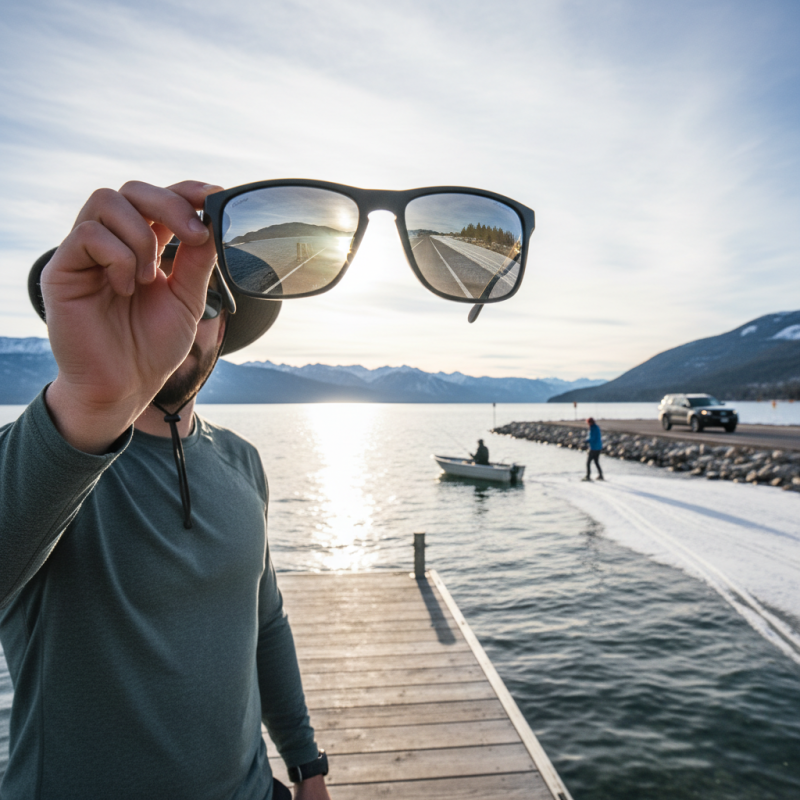
Polarized lenses are designed to reduce glare from reflective surfaces, making them an essential choice for outdoor activities. These lenses contain a special chemical coating that blocks horizontal light waves, which are responsible for glare. When sunlight hits a flat surface, such as water or a road, it is reflected in a way that creates a blinding light. Polarized lenses filter out this intense light, improving visual clarity and comfort. According to the American Optometric Association, polarized lenses can enhance contrast and increase visibility, especially in bright conditions, making them particularly valuable for activities like fishing, skiing, and driving.
When selecting polarized lenses, it's crucial to consider factors such as lens color and UV protection. Different lens colors can affect visibility in various environments; for example, gray lenses reduce overall brightness while preserving natural color balance, making them ideal for driving. In contrast, amber lenses can enhance contrast in low-light conditions. Additionally, ensuring that the lenses provide 100% UV protection is vital for safeguarding your eyes from harmful rays, as recommended by the World Health Organization.
**Tips:** When trying on sunglasses, check how well the lenses reduce glare by looking at water or shiny surfaces. Also, consider trying lenses with different tints under actual sunlight to see which enhances your vision best for your intended activities. Remember, investing in high-quality polarized lenses can significantly improve not just comfort, but also safety during outdoor adventures.
Identifying Your Activities: What Do You Need from Your Sunglasses?
When selecting the best polarized lens for your sunglasses, it's crucial to consider the activities you will be engaging in. Different activities demand different features from your eyewear. For instance, if you are into water sports like fishing or kayaking, you need lenses that offer superior glare reduction to enhance visibility on the water's surface. Additionally, opt for those with an anti-reflective coating to minimize reflections from the water and improve your overall vision.
For outdoor enthusiasts who enjoy hiking or cycling, lightweight and durable polarized lenses are essential. Look for options that provide UV protection against harmful rays while also being impact-resistant to withstand the rigors of outdoor adventures. A lens tint suitable for varying light conditions—such as brown or gray—can help improve contrast and depth perception, making your excursions safer and more enjoyable.
Tips:
- Always ensure your sunglasses have 100% UV protection, regardless of the polarization.
- Consider trying on different lens colors to see which one enhances your visual experience for your specific activities.
- If you frequently transition between indoor and outdoor settings, photochromic lenses can be a good investment, darkening in bright light and lightening indoors.
Choosing the Right Polarization Levels for Different Environments
When selecting polarized lenses for sunglasses, considering the right polarization levels for various environments is crucial. Different activities and settings demand distinct lens attributes to ensure optimal vision and comfort. For instance, if you spend time near water bodies, such as lakes or oceans, lenses with a higher polarization level can effectively cut glare from the surface, enhancing visibility and reducing eye strain. This is particularly beneficial for activities like fishing or boating, where glare can significantly impede your ability to see clearly.
In contrast, if you're primarily using sunglasses in urban settings or while driving, mid-level polarization may suffice. These lenses strike a balance, blocking sufficient glare without overly darkening the view, which can be beneficial when encountering varying light conditions such as passing under bridges or entering tunnel spaces. Additionally, consider the specific lighting conditions you encounter; for example, overcast days may require less intense polarization compared to bright, sunny environments. By tailoring the polarization levels of your sunglasses to your activities and surroundings, you can enhance your visual experience and maintain eye comfort.
Polarized Lens Performance in Different Environments
Material Matters: Comparing Lens Materials for Durability and Clarity
When choosing polarized lenses for sunglasses, the material of the lenses plays a crucial role in both durability and optical clarity. Different lens materials exhibit varying levels of impact resistance, scratch resistance, and overall visual performance. Polycarbonate lenses, for instance, are well-known for their lightweight nature and superior impact resistance, making them ideal for sports and high-energy activities. According to the Optical Society of America, polycarbonate provides nearly 10 times the impact resistance of standard plastic lenses, ensuring safety during outdoor endeavors.
On the other hand, CR-39, a type of plastic lens material, is appreciated for its excellent optical clarity and lighter weight. While it may lack the high impact resistance of polycarbonate, its superior optical performance makes it a popular choice for casual wear. A report from the American Optometric Association indicates that CR-39 lenses also offer up to 92% light transmission, ensuring vibrant visuals for everyday use. However, for those prioritizing durability alongside clarity, Trivex material presents a valuable alternative, combining the best of both worlds—outstanding impact resistance with clarity that rivals CR-39.
Ultimately, selecting the right lens material involves weighing the specific demands of your activities against the performance characteristics of each option. Whether engaging in high-impact sports or leisurely outdoor activities, understanding these differences can significantly enhance your experience while protecting your eyes from harmful UV rays effectively.
Additional Features to Consider: UV Protection and Anti-Reflective Coatings
When selecting polarized lenses for sunglasses, two crucial features to emphasize are
UV protection and
anti-reflective coatings.
UV protection is essential, as prolonged exposure to ultraviolet light can lead to serious eye conditions, including cataracts and macular degeneration.
According to the World Health Organization, around 20% of cataracts are linked to UV exposure, underscoring the importance of wearing sunglasses that block 100% of UVA and UVB rays.
Opting for polarized lenses that meet these protective standards can significantly reduce the risk of such eye issues while enhancing overall visual comfort.
In addition to UV protection, anti-reflective coatings play a pivotal role in improving visual clarity and comfort.
These coatings reduce glare from reflective surfaces like water, snow, and roads, which can be particularly beneficial for activities such as driving, fishing, and skiing.
A study conducted by the American Optometric Association highlights that glare can diminish contrast and impair visual functions, leading to an increased risk of accidents.
By choosing lenses with anti-reflective coatings, wearers can experience reduced eye strain and increased visibility in bright conditions, making their outdoor activities safer and more enjoyable.