2026 Best Driving Lenses for Clear and Safe Vision?
Driving safely requires clear vision. Choosing the right Driving Lenses could make a significant difference. Dr. Emily Stone, an optometrist with over 15 years of experience, emphasizes, "The right lenses can enhance clarity and reduce glare while driving."
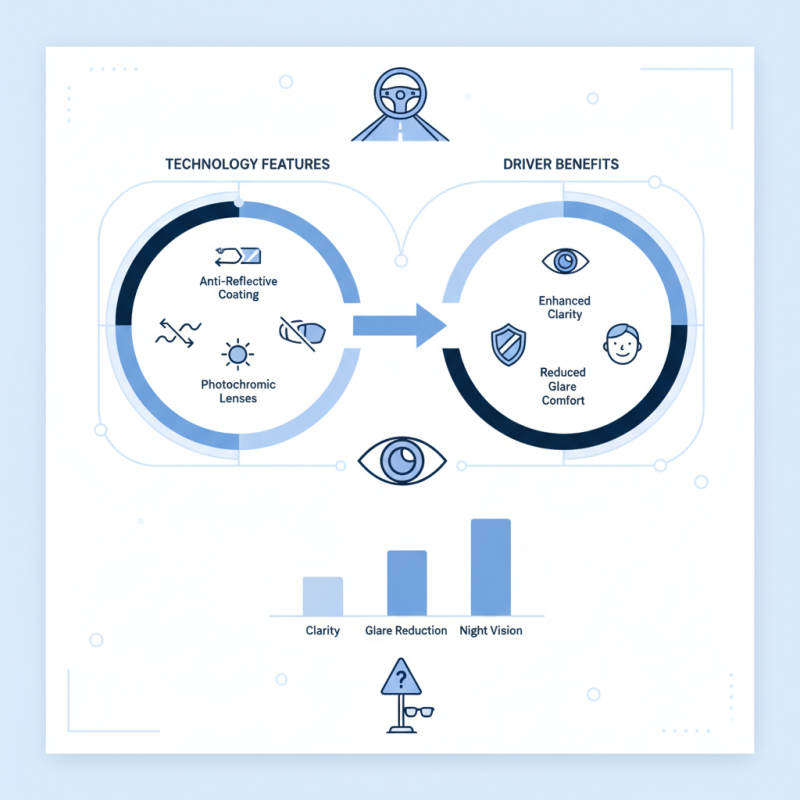
As we approach 2026, advancements in lens technology are creating exciting options. Anti-reflective coatings, polarization, and photochromic lenses are becoming more popular. These features help reduce distractions and improve comfort on the road.
However, not every lens is perfect for every driver. Some may find that certain coatings lead to smudging or scratching more easily. It’s important to test various options to find the best fit for individual needs. Making informed decisions about Driving Lenses can ultimately lead to safer driving experiences.
Best Driving Lenses: Features to Look for in 2026
When choosing driving lenses in 2026, consider several essential features for optimal safety. One key aspect is lens clarity. Clear vision is crucial for safe driving, especially at night or during adverse weather. Look for lenses that minimize glare and enhance contrast. This can help in recognizing road signs and detecting pedestrians.
Another important feature is lens materials. Lightweight and durable materials offer comfort for long drives. Some lenses come with scratch-resistant coatings and anti-reflective treatments. These enhancements improve visibility and prolong the life of the lenses. However, not all materials will perform equally in diverse conditions.
Finally, consider the lens tint. Grey or brown tints are popular for driving because they reduce brightness without distorting colors. Yet, personal preference plays a role. Some may prefer lighter tints for a natural feel. Ensure that the options align with your specific needs. Ultimately, the right driving lenses should feel comfortable while promoting clear vision, but they are not a substitute for careful driving.
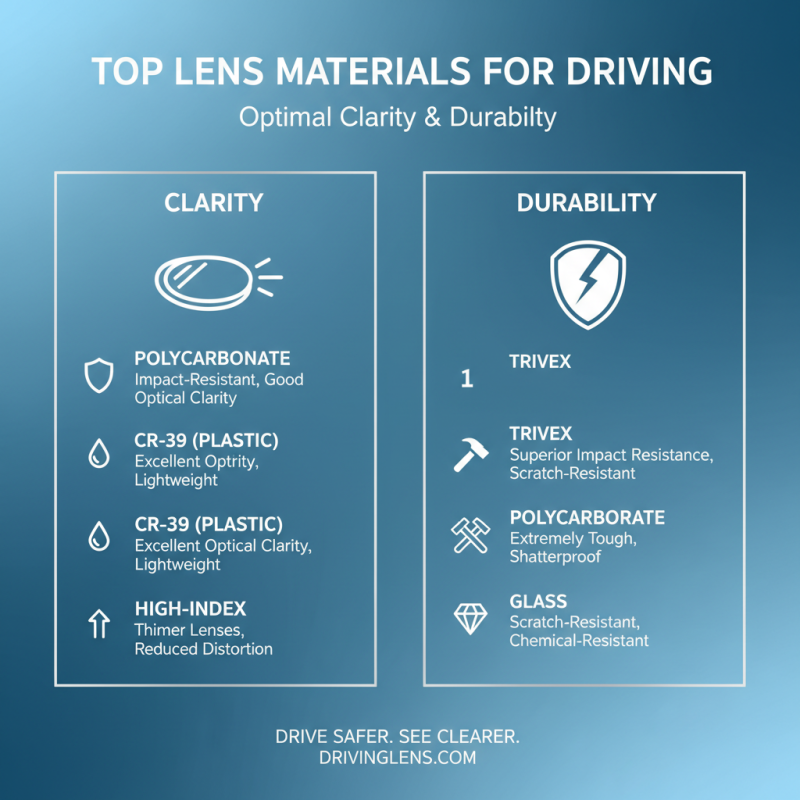
Top Lens Materials for Optimal Clarity and Durability
When it comes to driving lenses, the choice of materials significantly impacts clarity and durability. Polycarbonate is widely recognized for its lightweight and shock-resistant properties. Its impact resistance makes it a popular choice for safety glasses. However, polycarbonate lenses may scratch more easily than other options if not treated properly.
Another excellent option is high-index plastic. It offers a thinner profile, allowing for sleek designs without sacrificing strength. However, these can be more prone to glare. Anti-reflective coatings can help mitigate this issue, enhancing vision on bright days or at night.
Glass lenses are the traditional choice, known for their superior optical clarity. They are less prone to scratches, but heavier and more fragile. Finding that balance between safety and comfort is vital. The right material can make a difference in how clearly and safely you see the road ahead. The exploration of these materials can lead to insights. Are you choosing the best option for your vision needs?
Understanding UV Protection in Driving Lenses
When choosing driving lenses, UV protection is crucial. Harmful ultraviolet rays can penetrate through car windows and cause damage to your eyes. Long exposure increases the risk of cataracts and other eye problems. High-quality driving lenses filter out these rays effectively, ensuring better eye health.
Many drivers overlook this important feature. Some lenses only reduce glare but do not block UV rays adequately. This oversight can lead to serious long-term consequences for vision. It’s worth investing in lenses that prioritize UV protection.
Additionally, always consider the lens material and coating. Polycarbonate lenses are lightweight and inherently block UV rays. Anti-reflective coatings help reduce glare, enhancing visibility in challenging lighting conditions. However, keep in mind that not all coatings are equal. Some may wear off over time, diminishing their protective capabilities. Regular inspection and maintenance of your lenses can help ensure sustained protection.
The Role of Anti-Reflective Coating in Safe Driving
Driving requires clear vision. The role of anti-reflective (AR) coating in eyewear is crucial for safe driving. This coating reduces glare from headlights, streetlights, and other reflective surfaces. According to a 2021 study by the American Academy of Optometry, nearly 30% of drivers report difficulty seeing at night due to glare. This visual hindrance increases the risk of accidents.
AR coatings enhance visual clarity by minimizing reflections. When driving, distorted light can lead to poor decision-making. A report from the Vision Council indicates that clear vision improves reaction time by up to 25%. In driving situations, every millisecond counts. Poorly designed eyewear can lead to insufficient visual acuity, leaving drivers vulnerable.
Despite advancements, not all lenses with AR coatings perform equally. Some can scratch easily or lose effectiveness over time. Opticians recommend regular cleaning and proper care to maintain lens integrity. While AR coatings significantly improve driving safety, they are not a substitute for regular eye exams. Reflecting on personal habits may highlight the importance of proper eyewear choices. Awareness can make a difference in road safety.
2026 Best Driving Lenses for Clear and Safe Vision
This chart displays the clarity and safety ratings of different lenses suitable for driving in 2026. The ratings are measured on a scale of 0 to 100, providing insights into how well each lens performs in terms of visibility and safety.
Popular Driving Lens Brands and Their Top Models for 2026
When choosing driving lenses for 2026, many brands offer quality options. The focus should be on lenses that enhance visibility and comfort while driving. Popular choices often include polarized lenses that reduce glare. These lenses can improve clarity, especially in bright sunlight. Investing in high-quality lenses can make a significant difference in your driving experience.
Several leading brands are known for their innovative technology in lens design. These brands have models that are specifically crafted for various driving conditions. Some lenses feature anti-reflective coatings, which minimize distortion from oncoming headlights. Others provide UV protection, safeguarding your eyes from harmful rays. Each model has unique characteristics that cater to different driving needs.
While brand reputation is important, personal comfort is equally vital. Trying on different lenses can reveal which design best suits your face shape and prescription. It’s essential to consider factors like weight and fit during your selection. Remember, the best lenses are those that meet both your vision correction needs and offer the right driving enhancements.
2026 Best Driving Lenses for Clear and Safe Vision
| Lens Type |
Key Features |
UV Protection |
Photochromic |
Price Range |
| Polarized |
Reduces glare, enhances contrast |
Yes |
No |
$150 - $250 |
| Progressive |
Seamless vision transition |
Yes |
Yes |
$200 - $400 |
| Bifocal |
Dual vision zones |
Yes |
No |
$100 - $200 |
| Single Vision |
For one distance |
Yes |
No |
$80 - $150 |
| Transition |
Adapts to light conditions |
Yes |
Yes |
$120 - $220 |