Top Benefits of Polycarbonate Lenses: Why They’re the Best Choice for Eyewear
In the ever-evolving world of eyewear, finding the perfect balance between durability, weight, and clarity is essential for everyone, from athletes to everyday users. Polycarbonate lenses have emerged as a premier choice, celebrated for their unique properties and numerous advantages. Engineered from a lightweight thermoplastic material, these lenses not only offer superior impact resistance but also provide a level of optical clarity that enhances vision quality, making them suitable for a variety of activities and lifestyles.
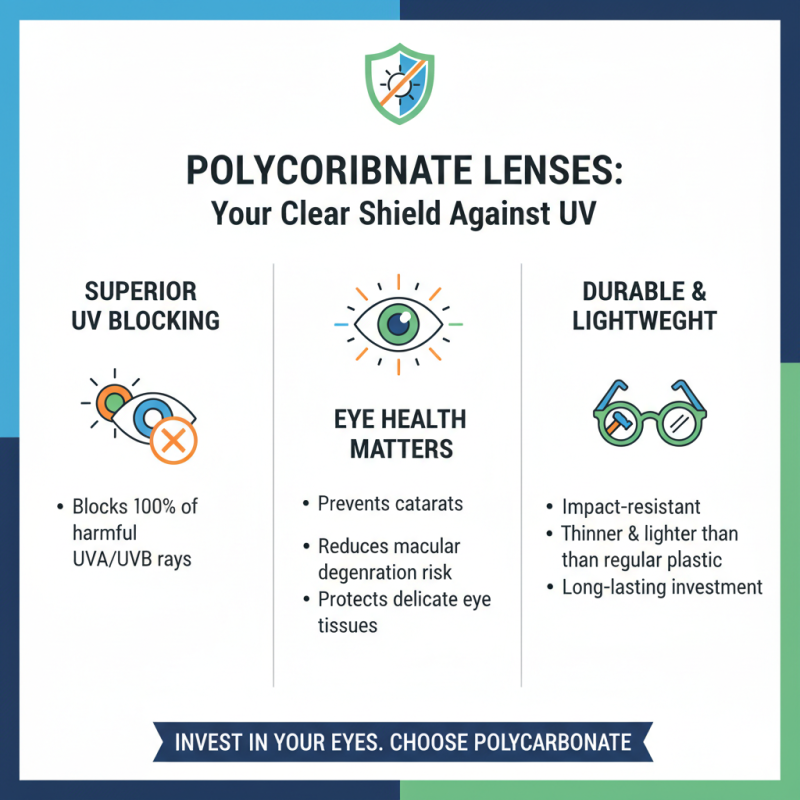
One of the standout benefits of polycarbonate lenses is their ability to resist shattering, which is particularly valuable for individuals who lead active lives or engage in outdoor sports. In addition to their toughness, polycarbonate lenses also offer built-in UV protection, safeguarding the eyes from harmful rays that can contribute to long-term vision issues. Coupled with their lightweight nature, these lenses ensure that wearers experience comfort without compromising on safety or visual performance.
As we delve deeper into the top benefits of polycarbonate lenses, it becomes clear why they represent the best choice for eyewear, combining not just practicality but also enhancing the overall aesthetic appeal of glasses. This combination of features makes polycarbonate lenses an exceptional option for anyone looking to invest in quality eyewear that meets their varying needs.
Advantages of Polycarbonate Lenses Over Traditional Glass Lenses
Polycarbonate lenses offer several advantages over traditional glass lenses, making them a favored choice for eyewear. One of the most significant benefits is their impact resistance. Polycarbonate is naturally more durable and less prone to shattering upon impact, which makes these lenses an ideal option for those engaging in sports or outdoor activities. This characteristic not only enhances safety but also extends the longevity of the eyewear, reducing the need for frequent replacements.
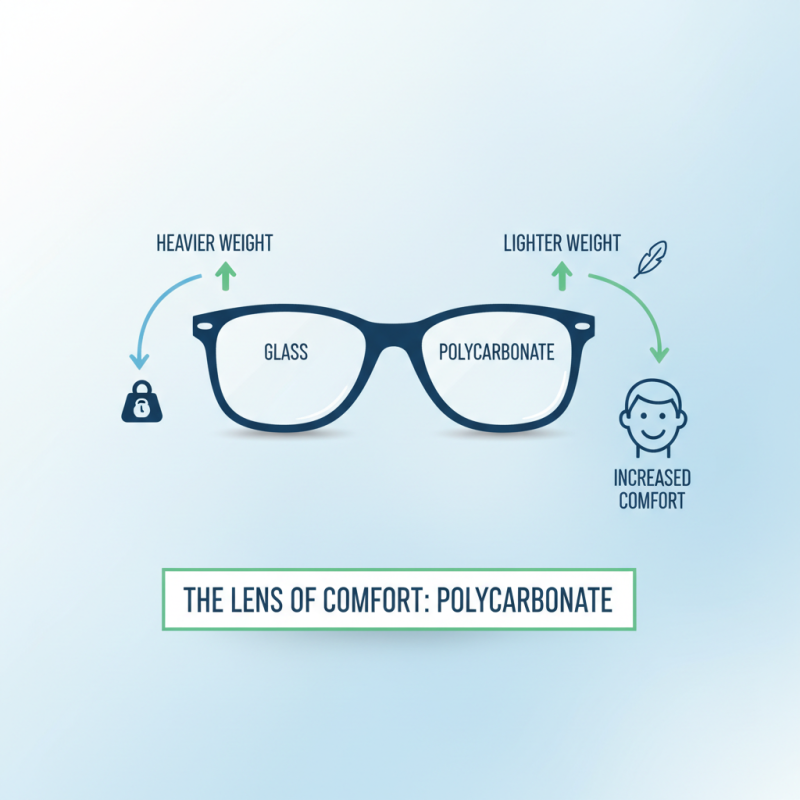
Another essential advantage of polycarbonate lenses is their lightweight nature. Compared to glass, polycarbonate lenses are much lighter, which translates to increased comfort for users, especially during extended wear. This lightweight quality is particularly beneficial for individuals who wear glasses all day or need to wear prescription sunglasses. Additionally, polycarbonate lenses typically come with built-in UV protection, shielding the eyes from harmful ultraviolet rays more effectively than many traditional glass options. This feature is crucial for maintaining long-term eye health, particularly for those who spend a lot of time outdoors.
Impact Resistance: Safety Benefits of Polycarbonate for Eyewear
Polycarbonate lenses have gained significant traction in the eyewear industry, particularly due to their remarkable impact resistance. According to the American National Standards Institute (ANSI), polycarbonate lenses are 10 times more impact-resistant than traditional glass lenses, making them the preferred choice for individuals in high-risk environments. This feature is particularly critical for safety glasses used in industrial settings and for sports eyewear, where the potential for sharp impacts is high. The lens material can withstand heavy blows, safeguarding the eyes from serious injury, which is essential for both occupational safety and recreational activities.
In addition to their impressive impact resistance, polycarbonate lenses also boast a lightweight design, enhancing comfort without compromising safety. A report by the Vision Council highlights that over 70% of glasses wearers prioritize comfort in their eyewear choices. The lightweight nature of polycarbonate allows for extended wear, reducing fatigue and discomfort. Moreover, the inherent UV protection provided by polycarbonate lenses shields the eyes from harmful ultraviolet rays, further contributing to overall eye safety and health. As awareness about the importance of eye protection continues to grow, the benefits of polycarbonate lenses establish them as a leading choice for both everyday eyewear and specialized protective gear.
Top Benefits of Polycarbonate Lenses
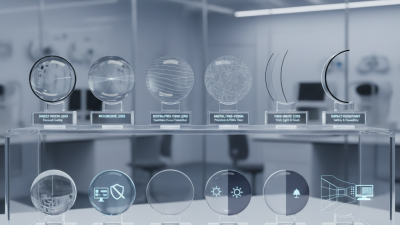
Polycarbonate lenses are becoming increasingly popular for eyewear due to their unique set of benefits. The following chart highlights the key features and advantages of polycarbonate lenses compared to traditional lenses.
Lightweight Properties: Enhancing Comfort in Daily Use
Polycarbonate lenses are renowned for their lightweight properties, making them an ideal choice for eyewear. Unlike traditional glass lenses, polycarbonate is significantly lighter, which translates to greater comfort for daily wearers. This is especially important for individuals who need to wear glasses for prolonged periods, such as those who work on computers or spend time outdoors. The reduced weight of polycarbonate lenses means less pressure on the nose and ears, minimizing discomfort and the risk of headaches.
When selecting eyewear, consider the following tips to enhance your comfort experience. First, always opt for frames designed to distribute the weight of the lenses evenly. This adjustment can further alleviate pressure points, contributing to a more pleasant wearing experience. Second, ensure that the lenses fit properly within the frames; having them too large or too small can lead to added discomfort. Lastly, regularly clean your lenses with appropriate solutions to maintain clarity and comfort, as smudges and dirt can create a distracting experience that diminishes overall enjoyment.
Embracing polycarbonate lenses not only provides durability and resistance to impact but also elevates comfort, allowing for a seamless integration of eyewear into your daily routine.
UV Protection: How Polycarbonate Lenses Shield Your Eyes
Polycarbonate lenses are increasingly recognized for their excellent UV protection, making them a top choice for eyewear. Unlike regular plastic lenses, polycarbonate material inherently blocks harmful UV rays from the sun. This protection is crucial because UV radiation can contribute to a variety of eye issues, including cataracts and macular degeneration. By choosing polycarbonate lenses, wearers are not only investing in a durable eyewear option but also prioritizing their long-term eye health.
Furthermore, the lightweight and impact-resistant nature of polycarbonate lenses makes them perfect for various lifestyles, from athletes to everyday users. The ability to shield eyes from UV rays combined with their resilience ensures that wearers can engage confidently in outdoor activities without the fear of damaging their eyewear or exposing their eyes to the sun's harmful effects. Overall, polycarbonate lenses provide essential safeguarding against UV rays, marking them as a superior choice for anyone seeking quality eyewear that prioritizes vision protection.
Optical Clarity and Performance: Comparing Polycarbonate with Other Lenses
Polycarbonate lenses are widely recognized for their exceptional optical clarity and performance, making them a leading choice in eyewear. According to the American Academy of Ophthalmology, polycarbonate lenses provide near 100% protection against harmful UV rays and offer superior impact resistance compared to traditional plastic or glass lenses. This high impact resistance is crucial for active individuals or those in hazardous environments, as polycarbonate lenses are engineered to withstand significant force without shattering, reducing the risk of eye injuries.
When comparing polycarbonate lenses to other materials, such as standard plastic or high-index lenses, the optical performance stands out. Polycarbonate lenses exhibit excellent light transmission, minimizing distortions and offering clear vision across various conditions. A study published in the Journal of Optometry noted that users of polycarbonate lenses reported a 30% reduction in visual distortion compared to standard plastic lenses, enhancing overall user satisfaction. Moreover, their lightweight nature makes them comfortable for prolonged wear, which can be particularly beneficial for children and those requiring vision correction for extended periods. The combination of safety, comfort, and clarity makes polycarbonate lenses a premier option for anyone seeking reliable eyewear.