Top 10 Benefits of Polarized Lens for Outdoor Activities?
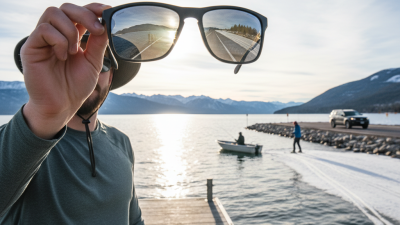
Choosing the right eyewear is crucial for outdoor enthusiasts. Polarized lenses have gained popularity due to their specialized features. These lenses reduce glare, making activities like fishing, skiing, and hiking safer and more enjoyable.
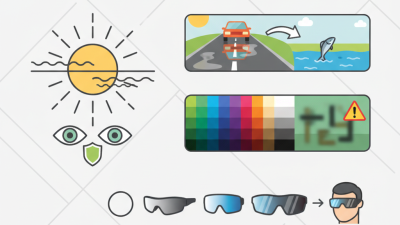
When sunlight reflects off surfaces such as water or snow, it can obstruct vision. Polarized lenses address this problem by filtering out horizontal light waves. The result is enhanced contrast and clarity, allowing users to see better in bright conditions. Many outdoor athletes swear by their effectiveness.
Besides reducing glare, polarized lenses offer additional benefits. They protect against harmful UV rays, improving eye health over time. Some wearers may initially find the color distortion unsettling. However, with time, the clarity and comfort provided by polarized lenses often outweigh these concerns. Their advantages can transform outdoor experiences, ensuring that each adventure is both safe and memorable.
Understanding Polarized Lenses: What They Are and How They Work
Polarized lenses are designed to reduce glare. They contain a special filter that blocks horizontal light waves. This makes them ideal for outdoor activities, especially near water or snow. When sunlight reflects off surfaces, it creates intense glare. Polarized lenses help improve visibility and reduce eye strain during these conditions.
Understanding how polarized lenses work is crucial for outdoor enthusiasts. The polarization process involves aligning light waves in a specific direction. This technology can enhance color contrast and clarity. For instance, while skiing or fishing, polarized lenses allow you to see underwater or navigate rugged terrains better. They also protect against harmful UV rays. However, it's essential to note that not all polarized lenses offer the same level of protection or clarity.
Choosing the right polarized lenses can be challenging. Some may not fit well with your face shape or may not transmit enough light. It's worth considering factors like lens tint and thickness. If you’re unsure, seeking advice from a knowledgeable source can provide clarity. Awareness of these details helps in making informed decisions about your eye protection during outdoor activities.
Improved Visual Clarity and Reduced Glare in Outdoor Activities
Polarized lenses are essential for outdoor enthusiasts. They enhance visual clarity, especially in bright conditions. Glare from water, snow, or pavement can make activities challenging. Polarized lenses reduce this glare significantly. This improvement allows for better focus and less eye strain during activities like hiking, fishing, or cycling.
The technology behind polarized lenses filters out horizontally polarized light. This is the light that causes glare. By eliminating distractions, users can enjoy their adventures more fully. Fishermen, for instance, can see beneath the water's surface more clearly. This clarity not only boosts performance but also enriches the overall experience.
Not everyone realizes the importance of lens quality. Many opt for cheaper alternatives, missing out on the benefits. While polarized lenses can be more expensive, they offer immense value. Investing in quality eyewear pays off in terms of comfort and safety. Eye fatigue from glaring reflections can lead to mistakes. For serious outdoor activities, clarity isn't just a luxury—it's a necessity.
Enhanced Comfort for the Eyes During Extended Sun Exposure
Extended exposure to sunlight can lead to discomfort for the eyes.
Polarized lenses are specifically designed to alleviate this issue.
They reduce glare from reflective surfaces like water, snow, and roads.
This feature is essential for anyone spending long hours outdoors.
The reduction of glare allows for clearer vision and less eye strain.
People often underestimate how much glare can affect comfort and safety while engaging in activities like fishing, skiing, or hiking.
Wearing polarized lenses during outdoor adventures significantly enhances visual clarity.
Many users report feeling less fatigued after long excursions.
The lenses filter out harmful UV rays, which helps protect the eyes from potential damage.
However, some individuals may find it challenging to adapt to the color distortion that can occur with certain polarized lenses.
It's important to test different options to find what feels most comfortable.
Not every polarized lens works the same for everyone,
so personal experience plays a vital role in selecting the right pair.
Protection Against Harmful UV Rays and Eye Damage
Polarized lenses are essential for outdoor activities. They provide significant protection against harmful UV rays, which can lead to serious eye damage. Extended exposure to UV light can cause cataracts and other vision issues. Opting for quality polarized lenses can minimize these risks, allowing you to enjoy the sun safely.
When selecting polarized lenses, consider the level of UV protection they offer. Look for lenses that block 100% of UV rays. This factor is crucial for activities like hiking or skiing. Remember, not all sunglasses provide adequate protection. Investing in good quality eyewear is worth it for your long-term eye health.
Tips for outdoor enthusiasts: Always wear polarized lenses when outdoors. They enhance visual clarity and reduce glare from surfaces like water and snow. Additionally, take regular breaks to rest your eyes. This practice can help alleviate fatigue and keep your vision sharp. Keep your sunglasses clean, as smudges can distort your view and reduce effectiveness.
Increased Safety While Engaging in Water Sports and Driving
Polarized lenses are vital for outdoor enthusiasts, especially when partaking in water sports and driving. These lenses reduce glare from reflective surfaces, enhancing visibility and safety. A study by the American Optometric Association indicates that glare can cause significant visual discomfort, leading to accidents. In water sports, reflections off the water's surface can obscure the view, increasing the risk of collisions or falls.
When driving, polarized lenses improve clarity. Statistics show that glare is a common cause of road accidents. Polarized lenses filter out horizontal light waves, allowing for a clearer view of the road and surroundings. A survey by the National Highway Traffic Safety Administration found that accidents due to glare account for up to 30% of all crashes.
**Tip:** Always consider your environment. If you're near water or driving in bright conditions, polarized lenses are a smart choice.
While polarized sunglasses are effective, they are not a complete solution. Poor visibility can still occur in certain angles of light. Users should remain aware of their surroundings, especially in challenging conditions.
**Tip:** Regular eye check-ups ensure optimal lens performance. Adjustments may be needed for best visual acuity, particularly for outdoor activities.
Top 10 Benefits of Polarized Lens for Outdoor Activities