What are the Benefits of Anti Fatigue Lenses for Your Eyes?
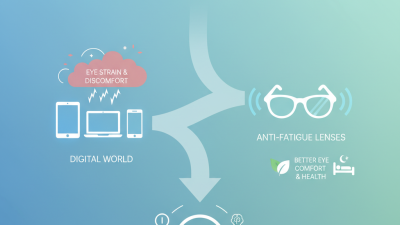
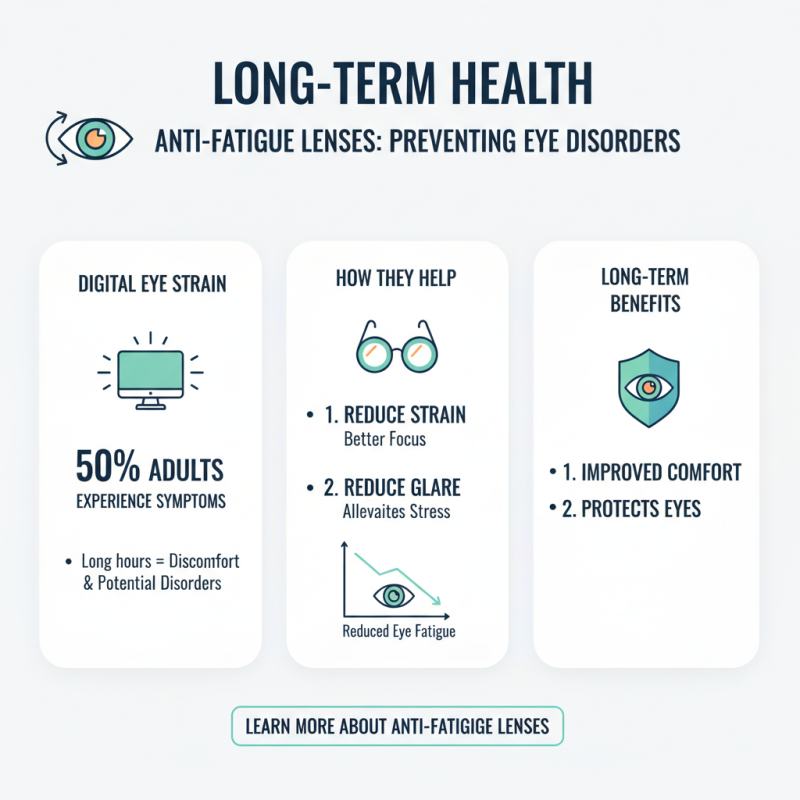
In today's digital age, prolonged screen time is inevitable. Research indicates that over 70% of adults experience visual discomfort due to this extensive use of digital devices. This discomfort often stems from digital eye strain, characterized by symptoms such as fatigue, dryness, and blurred vision. Anti Fatigue Lenses have emerged as a solution to combat these issues, providing essential support for our eyes.
A report from the American Optometric Association highlights that 60% of individuals using screens for more than two hours a day report strain. Anti Fatigue Lenses are designed to alleviate this strain, featuring specialized coatings and lens designs. These lenses enhance visual comfort and reduce eye fatigue during extended use. They work by minimizing glare and adjusting focal ranges, which helps maintain clear vision.
Though many experience relief with Anti Fatigue Lenses, not everyone benefits equally. Some may still feel discomfort after adoption. This variation can lead to frustrations, suggesting a need for tailored solutions. Understanding the capabilities and limits of Anti Fatigue Lenses can help individuals make informed decisions about their eye care.
Benefits of Anti Fatigue Lenses: Understanding Eye Comfort Improvement
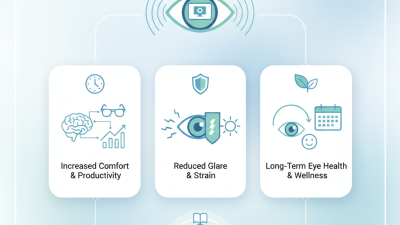
Anti-fatigue lenses offer significant advantages for eye comfort, especially in today's screen-heavy world. Many individuals find themselves staring at monitors for hours. This can lead to discomfort, eye strain, and headaches. Anti-fatigue lenses are designed to reduce these symptoms. They help by providing a tailored lens curvature that supports the natural position of the eyes. This can make a noticeable difference in comfort levels.
These lenses are particularly beneficial for those who read or work on digital devices. The unique design helps transition between different distances. Users may find it easier to focus on text while occasionally looking up at their screens. Improved comfort leads to better productivity, yet not everyone may notice these benefits right away. Some users report a period of adjustment. It can take time to adapt to the different lens design.
Beyond physical comfort, these lenses can impact daily activities. They may enhance the overall visual experience. Eye fatigue can affect mood and concentration, which many overlook. Feeling tired can cloud judgment and reduce creativity. In this way, anti-fatigue lenses might not only help with eye comfort but also improve mental clarity. A small change in eyewear could lead to significant improvements in everyday quality of life.
Reducing Digital Eye Strain: Evidence-Based Impact of Anti Fatigue Lenses
As our digital consumption rises, eye strain is becoming a common issue. Reports show that nearly 60% of people experience symptoms of digital eye strain. Anti fatigue lenses provide a solution by balancing vision for long periods. They reduce visual discomfort caused by prolonged screen time, making them a valuable tool in today’s tech-driven world.
Studies reveal that anti fatigue lenses can improve comfort levels significantly. One report suggests a reduction in eye strain symptoms by up to 30% after using these lenses. They work by incorporating a slight magnification in the lower portion of the lens. This allows for easier focus when viewing digital displays. Many professionals report feeling less fatigued after long hours in front of screens.
However, not everyone experiences uniform benefits. Some wearers may find the adjustment period challenging. Others may not notice a significant improvement. It’s important to consider individual differences. Factors such as lighting and screen distance can influence the effectiveness of these lenses. Personalizing your eyewear based on specific needs can enhance the overall experience.
Enhancing Visual Clarity: How Anti Fatigue Lenses Improve Focus
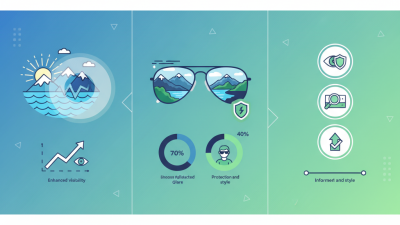
Anti-fatigue lenses have revolutionized the way we experience visual clarity. With over 60% of adults reporting screen fatigue, these specialized lenses address a common problem in our digital world. They are designed to reduce strain caused by prolonged screen use, providing benefits that go beyond just comfort. A study published by the Vision Council found that 70% of people using anti-fatigue lenses reported improved focus during their daily tasks.
The design of anti-fatigue lenses includes a unique curvature that allows for seamless transitions between different distances. This feature helps in reducing the effort needed for the eyes to focus, making it easier to read text or view images on a screen. Interestingly, a survey from the American Optometric Association indicated that 81% of users experienced a notable decrease in headaches and eye discomfort. Such statistics underscore the importance of investing in proper eyewear.
Many overlook how essential comfort is for productivity. When the eyes are fatigued, it affects concentration. Thus, anti-fatigue lenses play a critical role in enhancing overall well-being. However, not everyone may benefit equally from these lenses, and some users still report eye strain. Individual experiences may vary, indicating a need for tailored solutions. Manufacturers continue to research how these lenses interact with different visual demands, ensuring ongoing improvements.
Cost-Benefit Analysis: Investing in Anti Fatigue Lenses for Eye Care Savings
Investing in anti-fatigue lenses can yield significant eye care savings. These lenses help reduce eye strain, especially during prolonged screen time. With the modern reliance on digital devices, fatigue-related symptoms are rising. People often experience headaches and dry eyes. Anti-fatigue lenses offer a solution, allowing for longer, more comfortable viewing.
The cost of these lenses can seem high initially. However, consider the long-term benefits. When you reduce eye fatigue, you lower the risk of developing vision problems. Regular eye exams can become less frequent as well. This means fewer expenses on corrective eyewear. Many individuals notice a decrease in headaches, leading to improved productivity and overall well-being.
Why not invest in your eye health? The financial and emotional benefits are significant. You may even find your quality of life improving. Yet, some may question if the investment is worth it. Reflect on your daily screen time and the associated discomfort. It may just be time to consider making a change for your eyes.