2026 Top Trends in Sun Protection Glasses for Ultimate Eye Safety?
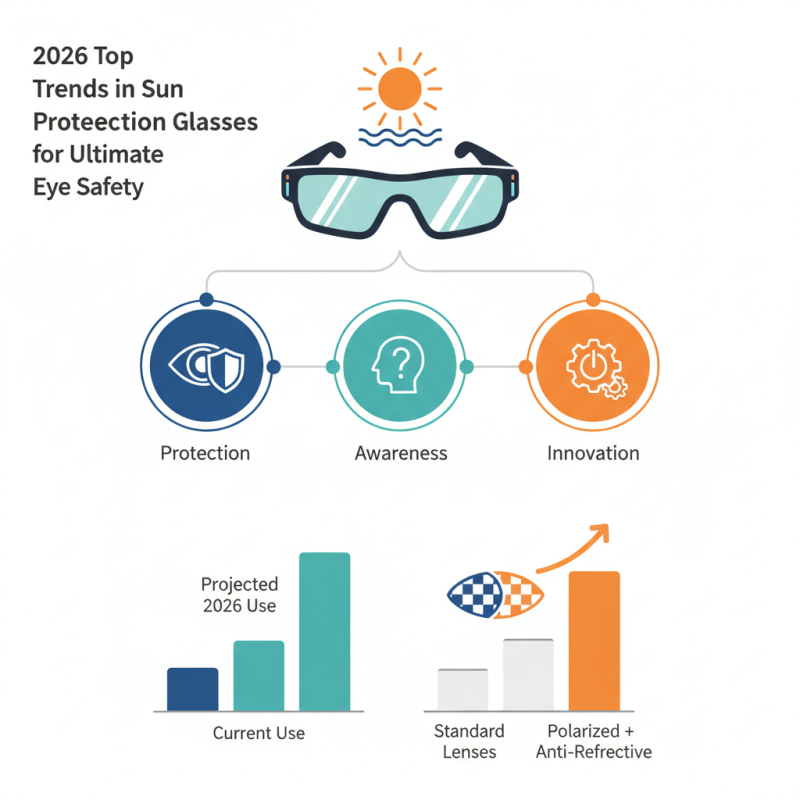
As we approach 2026, the importance of Sun Protection Glasses grows. Dr. Emily Carter, an expert in ocular health, emphasizes, “Protecting your eyes from UV rays is essential for long-term vision.” This highlights a valid concern as the sun’s rays can lead to serious eye conditions.
Emerging trends in sun protection glasses indicate a shift towards improved functionality and style. Innovative materials and designs are making these glasses more accessible. Features like polarized lenses and anti-reflective coatings enhance protection. However, many still overlook the risks of UV exposure daily.
Statistics reveal that many people do not wear sun protection glasses regularly. This indicates a lack of awareness about the dangers. Eye health deserves attention, yet some still neglect it. As we look forward to 2026, addressing these gaps is crucial for promoting ultimate eye safety.
Emerging Materials for Enhanced Durability and UV Protection in Sunglasses
As we approach 2026, the evolution of sun protection glasses takes center stage. New materials are emerging, enhancing the durability of sunglasses while ensuring top-notch UV protection. Innovations such as advanced polycarbonate and nylon blends are making sunglasses lighter yet more resilient. These materials reduce scratches and withstand impact better than ever before.
The need for effective UV protection is more crucial now. People often underestimate the sun's harmful rays. But sunglasses crafted with specialized coatings can shield eyes more effectively. These coatings are often thin yet potent, filtering out nearly 100% of UVA and UVB radiation. Some users may not notice the difference immediately, which can lead to neglect in eye safety.
Yet challenges remain in sourcing eco-friendly materials. The sunglasses industry faces pressure to balance durability with sustainability. Many consumers crave stylish designs, but they might not prefer the environmental cost. Awareness is growing, but questions linger about how to harmonize aesthetics with ethics. The future lies in finding solutions that satisfy style, safety, and the environment.
Innovative Lens Technologies Improving Clarity and Eye Comfort
In recent years, there have been significant advancements in lens technologies for sun protection glasses. These innovations are designed to enhance clarity and improve eye comfort. Polarized lenses are now common, reducing glare from reflective surfaces. This feature is especially useful for outdoor activities.
Photochromic lenses change their tint based on light conditions. They provide versatility for users who move between indoor and outdoor environments. However, not all photochromic lenses react the same way. Some may take longer to transition, which can be a drawback.
Additionally, anti-reflective coatings help minimize distractions from reflections. This coating can make a noticeable difference, especially in bright sunlight. Yet, some users may find these coatings prone to smudges. Maintaining cleanliness can become a chore. Overall, while innovations are improving eye comfort, challenges remain for manufacturers and users alike.
2026 Top Trends in Sun Protection Glasses for Ultimate Eye Safety
| Trend |
Description |
Innovative Features |
Benefits |
| Photochromic Lenses |
Lenses that adjust tint based on sunlight intensity. |
Quick transition, UV protection |
Convenience for varying light conditions |
| Blue Light Filtering |
Lenses designed to block harmful blue light. |
Enhanced color contrast, reduced glare |
Improves visual comfort and reduces eye strain |
| Anti-Fog Coatings |
Coatings that prevent lens fogging. |
Permanent or hydrophobic treatments |
Clear vision in humid conditions |
| Polarized Lenses |
Lenses that reduce glare from reflective surfaces. |
Enhanced clarity and reduced eye fatigue |
Safer, more comfortable vision outdoors |
| Lightweight Frame Materials |
Use of advanced materials for reduced weight. |
Durable, flexible composites |
Increased comfort for all-day wear |
| Sustainable Materials |
Use of recycled and eco-friendly materials. |
Biodegradable options, lower carbon footprint |
Appeals to environmentally conscious consumers |
Stylish Frame Designs Merging Fashion with Functional Sun Protection
The fusion of fashion and functionality is reshaping sun protection glasses in 2026. Stylish frames are no longer just about aesthetics; they prioritize eye safety too. Consider oversized designs that provide maximum coverage. These frames hug the face, blocking harmful UV rays effectively. Bright colors and trendy patterns enhance personality while caring for your eyes.
Yet, with this evolution, some designs can compromise comfort. Heavy materials may lead to discomfort during long wear. Balancing style with usability is crucial. Many people ignore this aspect, only to regret it later. Look for lightweight options that fit well without sacrificing style. The ideal pair should feel as good as they look.
Another trend is the rise of customizable eyewear. Consumers seek unique frames that reflect their style. This can lead to confusion, as not every option ensures proper protection. It is essential to remain informed about lens quality along with style. Ultimately, stylish sun protection glasses should empower individuals to express themselves while prioritizing eye safety.
The Role of Polarization in Reducing Glare and Enhancing Vision Safety
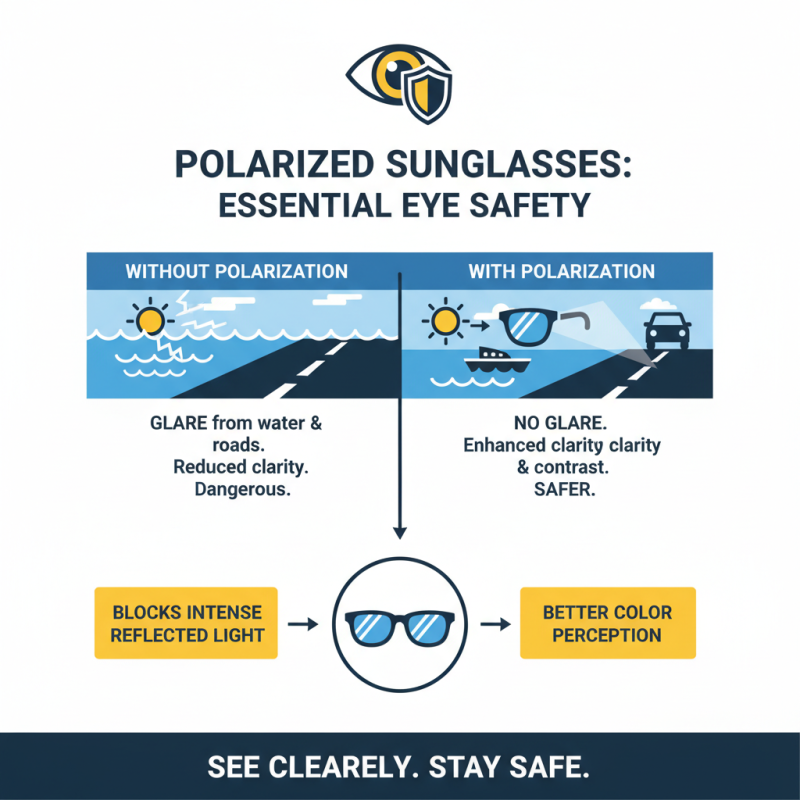
Polarization plays a crucial role in eye safety. Sunglasses with polarized lenses reduce glare effectively. Glare often comes from surfaces like water and roads. This intense light can be distracting and dangerous. Polarized sunglasses enhance vision clarity. They allow for better contrast and color perception without the annoying reflection.
Looking for tips? Choose polarized lenses when spending time outdoors. These lenses block harmful UV rays and improve visual comfort. Don't forget to check lens quality. A quality polarized lens should provide a clear view without distortion. Also, consider your activities. For sports, lightweight options are best.
A good pair of sunglasses is an investment. When selecting, think about fit and coverage. Make sure they wrap around your eyes. This extra coverage helps eliminate stray light. Remember, the right sunglasses not only help you see better, but they also protect your eyes from long-term damage. Investing in eye safety is always a smart choice.
Sustainability Trends in the Production of Eco-Friendly Sunglasses
Sustainability is becoming crucial in the eyewear industry, particularly for sunglasses. Many brands are now exploring eco-friendly materials. This shift is not just a trend. It reflects a broader awareness of environmental issues.
Eco-friendly sunglasses are often made with recycled plastics and sustainable resources. These materials reduce waste and lower carbon footprints. Often, recycled materials provide durability without compromising style. However, achieving perfect quality from sustainable resources can still be a challenge. Many products may not yet meet consumer expectations.
When choosing sunglasses, consider these tips: First, check the materials. Look for recycled or biodegradable options. Second, evaluate the company's sustainability practices. Transparency is key. Lastly, think about longevity. Quality sunglasses can last longer, reducing the need for replacements.
Aim for a balance of style and sustainability in your choices. Choosing eco-friendly sunglasses is a step toward a healthier planet.